





















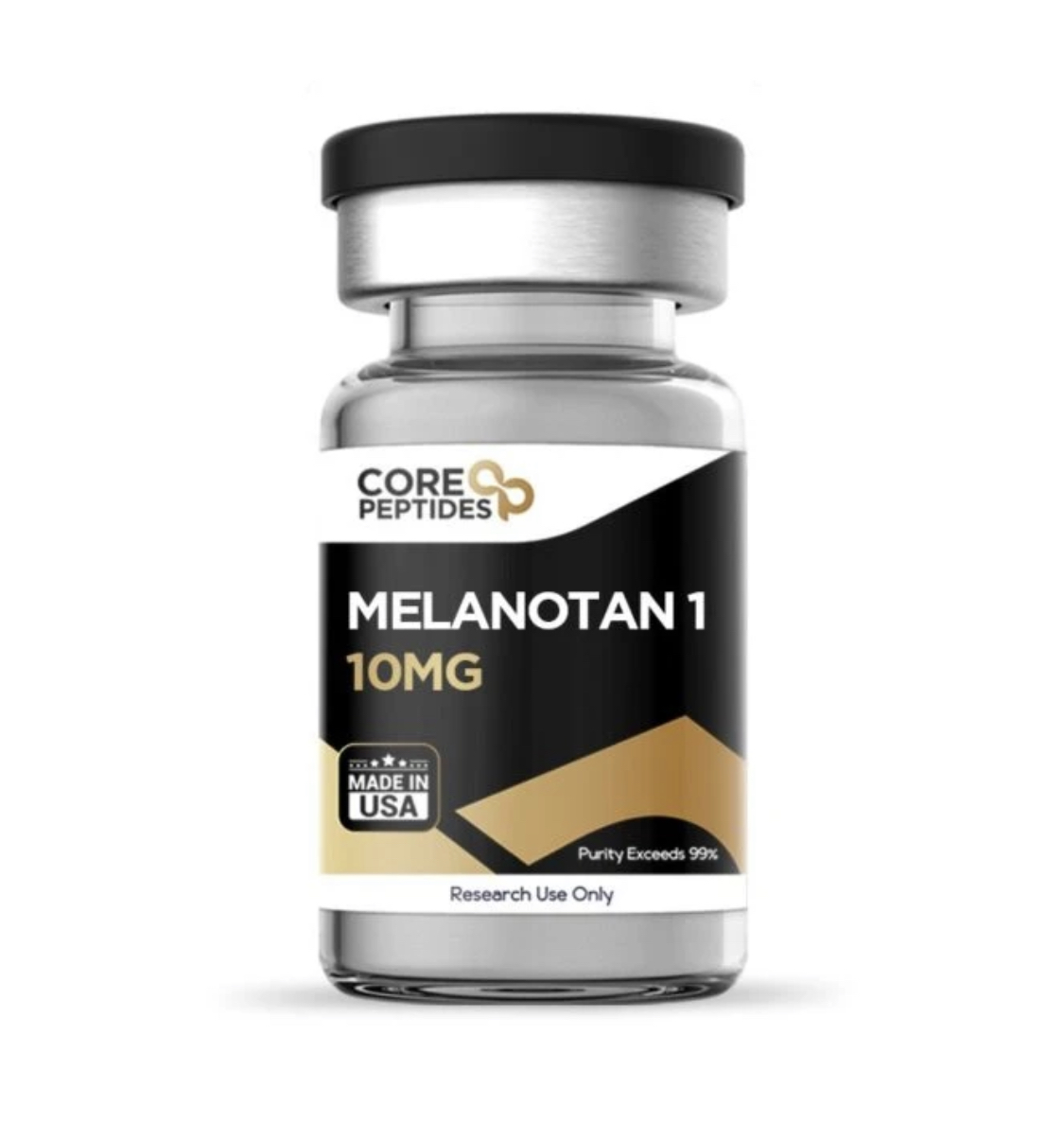
Melanotan 1 (10mg)
$43.00
Melanotan 1 10 mg provides a high-purity, laboratory-verified lyophilized peptide manufactured under strict quality control standards in the USA. Formulated with 10 mg of pure Melanotan 1 (Melanotan I / Afamelanotide)—a synthetic linear peptide analog of endogenous alpha-melanocyte-stimulating hormone (\alpha-MSH)—this compound is widely utilized in dermatological, photobiological, and melanocortin receptor research examining melanogenesis activation, UV photoprotection mechanisms, and receptor selectivity.
Key Specifications
Active Compound: Melanotan 1 (Melanotan I / Afamelanotide)
Chemical Formula: \text{C}_{78}\text{H}_{111}\text{N}_{21}\text{O}_{19}
Molecular Weight: 1646.85 \text{ g/mol}
Concentration: 10 mg per vial
Purity Standard: Exceeds 99% (Third-Party HPLC & Mass Spectrometry Verified)
Formulation: Sterile Lyophilized Powder
Origin: Manufactured in USA
Classification: Research Use Only
Primary Research Applications
Melanocortin Receptor Binding Kinetics: Melanotan 1 acts as a non-selective agonist at melanocortin receptors (MC1R, MC3R, MC4R, MC5R), serving as a core benchmark in evaluating MC1R-mediated cAMP signaling in epidermal melanocytes.
Melanogenesis & Photoprotection Models: Widely studied in cellular models investigating eumelanin synthesis, skin pigmentation pathways, and cellular defense mechanisms against ultraviolet (UV) radiation-induced DNA damage.
Vascular & Anti-Inflammatory Signaling: Investigated for its role in non-pigmentary melanocortin signaling, including microvascular integrity, inflammatory response modulation, and cutaneous homeostasis.
Melanotan 1 Peptide
Melanotan 1 is a synthetic peptide similar to the endogenous alpha-melanocyte stimulating hormone (α-MSH).(1) Melanotan 1 comprises 13 amino acids, the same as α-MSH, but differs by only two amino acids from the endogenous peptide hormone. This structural difference is why researchers suggest the synthetic peptide may exert a higher affinity towards the target cells and boast a longer half-life. According to research, the two notable modifications include the substitution of methionine and L-phenylalanine at the fourth and seventh positions with norleucine and D-phenylalanine, respectively.(1)
Overview
Melanotan 1 appears to mimic the function of the endogenous α-MSH and may bind to the melanocortin receptors to stimulate the production of eumelanin, a photoprotective compound. This eumelanin may protect tissues from any damage induced by UV exposure.(1) Moreover, eumelanin production also reportedly contributes to increasing levels of pigmentation in skin cells.
Chemical Makeup
Molecular Formula: C78H111N21O19
Molecular Weight: 1646.87 g/mol
Other Known Titles: MT1; afamelanotide
Research and Clinical Studies
Melanotan 1 and The Melanocortin System
Melanotan 1 is hypothesized to exert its actions by interacting with melanocortin receptors (MCRs), which are considered to be crucial signaling pathways in widespread biological processes. It is believed that five distinct melanocortin receptors exist, labeled melanocortin 1 receptors (MC1Rs) through melanocortin 5 receptors (MC5Rs), each associated with specific potential roles:(2,3)
- MC1R: This receptor is thought to reside in melanocytes – a kind of skin cell that may influence skin and hair pigmentation, potentially by promoting melanin synthesis.
- MC2R: Reportedly located in the adrenal cortex, it is suggested that this receptor may play a role in the production of cortisol.
- MC3R: Found in various tissues, including the brain and placenta, MC3R has been implicated in regulating appetite and maintaining energy homeostasis.
- MC4R: Believed to be situated in the central nervous system, particularly within the hypothalamus, it is speculated that MC4R may have an impact on sexual behavior, erectile function, and the balance of energy within the organism.
- MC5R: While it appears to be expressed across multiple tissues, the precise physiological function of MC5R remains somewhat elusive, though it is speculated to play a role in exocrine processes.
Researchers have suggested that Melanotan 1 may exhibit a particular specificity towards MC1R, ostensibly enhancing melanin production, which, in turn, is thought to result in a tanned appearance of the skin tissues. Notably, the peptide is believed to possess a greater affinity for MC1R over α-MSH, suggesting that it might increase melanin production, thereby promoting skin pigmentation even in the absence of sunlight exposure.(4) More specifically, researchers posit that “when Melanotan I activates MC1R, cAMP is produced, and it activates microphthalmia transcription factor (MITF) expression, which induces the expression of enzymes for eumelanin production.” These proposed interactions underscore the complexity of Melanotan 1’s mode of action and highlight the need for further investigative research to fully understand its mechanisms and potential implications in certain biological processes.
Melanotan 1 and The Melanocortin Type 1 Receptors
Melanocortin 1 Receptor (MC1R) is a Gs protein-coupled receptor found on melanocytes.(5) Its activation is considered potentially integral for regulating skin tissue pigmentation and UV resistance by activating adenylyl cyclase and the subsequent generation of cyclic adenosine monophosphate (cAMP). The cAMP signaling pathway potentially enhances melanin production and deposition, which serves as a natural defense against UV penetration and facilitates nucleotide excision repair (NER), a crucial process for potentially removing UV-induced DNA lesions and averting mutagenesis. Researchers posit that the receptor’s activation and signaling are modulated by various ligands, including the positive agonist Melanotan 1, which might increase cAMP levels to promote melanogenesis and enhance DNA repair capabilities. This suggests Melanotan 1 may enhance the skin’s natural defense mechanisms against UV damage and possibly reduce the risk of skin cell mutagenesis. However, it is also crucial to consider the receptor’s polymorphism and how loss-of-function variants are associated with unpigmented skin, UV sensitivity, and a heightened skin tissue damage risk due to impaired melanization and suboptimal DNA repair mechanisms. Furthermore, MC1R’s role may extend beyond pigmentation to include potential actions on anti-inflammatory signaling and the genomic stability of melanocytes, underlining the receptor’s multifaceted potential in skin function and disease prevention. The potential interplay between MC1R signaling, melanin production, and NER efficiency underscores the potential for targeted research to bolster UV protection. Yet, the potential of such approaches may be contingent upon individual variations in MC1R function and expression, highlighting the need for further research to fully understand and leverage MC1R’s protective mechanisms in skin cells.(5)
Melanotan 1 and Inflammation
Studies suggest that α-MSH and its analogs, such as Melanotan 1, may exert potential anti-inflammatory action. Researchers have exposed murine models to α-MSH analogs to evaluate the impact of the peptide on tissue inflammation in cases of liver fibrosis through various biomolecular techniques.(6) The study suggested that peptide analogs may reverse the established liver fibrosis and may also mitigate the upregulation of fibrogenic and proinflammatory gene expressions triggered by fibrosis induction. This suggests that analogs may potentially influence the fibrotic process by modulating the expressions of genes involved in fibrogenesis and inflammation. One possible mechanism of action for such potentially protective actions against liver fibrosis may be the modulation of matrix metalloproteinase (MMP) activity and the apparent inactivation of tissue inhibitors of matrix metalloproteinase (TIMP). MMPs are considered to play a crucial role in the degradation of the extracellular matrix, and their activity is posited to be intricately balanced with TIMPs. Researchers have observed that peptide analogs may significantly increase MMP activity while attenuating the activation of α-smooth muscle actin (α-SMA) and cyclooxygenase-2 (COX-2), markers associated with inflammation and fibrogenesis. Furthermore, α-MSH analogs like Melanotan 1 appear to downregulate the mRNA expressions of liver transforming growth factor β1 (TGF-β1), collagen α1, and various cell adhesion molecules, which are posited to be key players in the progression of fibrosis. It is also noteworthy that analogs may have a role in suppressing the expression of COX-2 and cell adhesion molecules, suggesting a potential anti-inflammatory pathway through which Melanotan 1 and similar compounds may exert anti-fibrogenic actions.(6)
Melanotan 1 Peptide and Erythropoietic Porphyria
Three clinical trials(6) were conducted to examine Melanotan’s action on erythropoietic porphyria. In each of the three trials, research models were divided into an experimental and control group: the experimental group was exposed to the peptide, and the control group was exposed to a placebo. This exposure was routinely conducted every two months, and results were monitored for 180 days. The researchers documented the number of hours the research models were exposed to direct sunlight and pain perception during the UV exposure. The outcome of this study was that the experimental peptide group appeared to be able to spend more time in sunlight with little to no pain (approximately 64 hours) compared to the control group, who were exposed to a placebo (approximately 40 hours).
Melanotan 1 and UV Radiation
The main aim of this study was to understand the peptide’s mechanism of action when introduced in combination with UV-B light or sunlight. The study was divided into three phase 1 clinical trials. In the first study, 50% of the cohort were presented with the peptide, and 50% were presented with a placebo for 10 days. In the second study, 58% were exposed to UV irradiation, and 42% were exposed to UV radiation. The final study was conducted in a 50/50 split, where 50% were exposed to the peptide and 50% to a placebo. Following sunlight exposure, the results were analyzed. Researchers reported that the results across all three trials indicated that the peptide may have a positive correlation with exposure and melanin production, as observed on a cellular level and in the relative tanning gradation.
References:
- PubChem [Internet]. Bethesda (MD): National Library of Medicine (US), National Center for Biotechnology Information; 2004-. PubChem Compound Summary for CID 16154396, Scenesse; [cited 2024 Apr. 2]. Available from: https://pubchem.ncbi.nlm.nih.gov/compound/Scenesse
- Cai, M., & Hruby, V. J. (2016). The Melanocortin Receptor System: A Target for Multiple Degenerative Diseases. Current protein & peptide science, 17(5), 488–496. https://doi.org/10.2174/1389203717666160226145330
- Ji, L. Q., Hong, Y., & Tao, Y. X. (2022). Melanocortin-5 Receptor: Pharmacology and Its Regulation of Energy Metabolism. International journal of molecular sciences, 23(15), 8727. https://doi.org/10.3390/ijms23158727
- Mun, Y., Kim, W., & Shin, D. (2023). Melanocortin 1 Receptor (MC1R): Pharmacological and Therapeutic Aspects. International journal of molecular sciences, 24(15), 12152. https://doi.org/10.3390/ijms241512152


Related products
AICAR Peptide (50mg)
AICAR 50 mg provides a high-purity, laboratory-verified lyophilized compound manufactured under strict quality control standards in the USA. Formulated with 50 mg of pure AICAR (5-Aminoimidazole-4-carboxamide ribonucleotide) per vial, this synthetic adenosine analog is widely utilized in cellular, metabolic, and exercise physiology research investigating AMP-activated protein kinase (AMPK) activation, cellular energy homeostasis, and mitochondrial biogenesis pathways.
Key Specifications
Active Compound: AICAR (Acadesine / AICA Riboside)
Chemical Formula: \text{C}_{9}\text{H}_{15}\text{N}_{4}\text{O}_{8}\text{P}
Concentration: 50 mg per vial
Purity Standard: Exceeds 99% (Third-Party HPLC Verified)
Formulation: Sterile Lyophilized Powder
Origin: Manufactured in USA
Classification: Research Use Only
Primary Research Applications
AMP-Activated Protein Kinase (AMPK) Activation: AICAR is intracellularly phosphorylated into ZMP, an AMP mimic that directly activates AMPK without altering cellular ATP/ADP ratios, facilitating targeted metabolic research.
Mitochondrial Biogenesis & Endurance Pathways: Applied in cell cultures to analyze upregulated PGC-1$\alpha$ signaling, glucose uptake enhancement, and lipid oxidation mechanisms.
Ischemic & Cellular Energy Homeostasis Studies: Extensively investigated in cardiac and skeletal muscle models measuring metabolic adaptation, cellular stress response, and insulin sensitivity.
Humanin (10mg)
Humanin 10 mg provides a high-purity, laboratory-verified lyophilized peptide manufactured under strict quality control standards in the USA. Formulated with 10 mg of pure Humanin—a naturally occurring 24-amino-acid micropeptide encoded within the mitochondrial genome (16S rRNA)—this compound is widely utilized in cellular biology, metabolic health, and neurodegenerative disease research investigating cytoprotective mechanisms, oxidative stress regulation, and insulin sensitivity pathways.
Key Specifications
Active Compound: Humanin (HN)
Chemical Formula: \text{C}_{119}\text{H}_{204}\text{N}_{34}\text{O}_{35}\text{S}_{2}
Concentration: 10 mg per vial
Purity Standard: Exceeds 99% (Third-Party HPLC Verified)
Formulation: Sterile Lyophilized Powder
Origin: Manufactured in USA
Classification: Research Use Only
Primary Research Applications
Cytoprotection & Anti-Apoptotic Pathways: Humanin is studied for its ability to suppress Bax-mediated apoptosis, protecting various cell lines against programmed cell death triggered by toxic insults.
Neuroprotective Dynamics: Extensively evaluated in Alzheimer’s disease and neurodegenerative models to analyze its role in mitigating amyloid-beta (A\beta) cytotoxicity and preserving neuronal function.
Mitochondrial & Metabolic Homeostasis: Investigated for its regulatory actions on insulin sensitivity, glucose metabolism, and cellular homeostasis under conditions of metabolic stress.
KPV Peptide (4mg)
KPV Peptide 4 mg provides a high-purity, laboratory-verified lyophilized peptide manufactured under strict quality control standards in the USA. Formulated with 4 mg of pure KPV (Lysine-Proline-Valine)—the C-terminal tripeptide fragment of alpha-melanocyte-stimulating hormone (\alpha\text{-MSH})—this compound is widely utilized in gastroenterology, immunology, and dermatology research investigating inflammatory bowel disease (IBD) suppression, antimicrobial signaling, and NF-\kappa\text{B} pathway downregulation.
Key Specifications
Active Compound: KPV (Lysine-Proline-Valine / \alpha\text{-MSH}_{11-13})
Chemical Formula: \text{C}_{16}\text{H}_{30}\text{N}_{4}\text{O}_{4}
Concentration: 4 mg per vial
Purity Standard: Exceeds 99% (Third-Party HPLC Verified)
Formulation: Sterile Lyophilized Powder
Origin: Manufactured in USA
Classification: Research Use Only
Primary Research Applications
Gastrointestinal Anti-Inflammatory Modulation: KPV is extensively studied in intestinal inflammation models for its ability to penetrate mucosal epithelial cells and inhibit nuclear factor kappa B (NF-\kappa\text{B}) translocation, reducing colonic tissue damage.
Antimicrobial & Anti-Fungal Activity: Evaluated in cellular microbiology models for direct antimicrobial properties against pathogen strains, including Candida albicans and Staphylococcus aureus.
Dermatological & Tissue Repair: Investigated in wound healing and inflammatory skin condition models to suppress pro-inflammatory cytokine expression (\text{IL-6}, \text{TNF-}\alpha) without inducing melanogenesis.
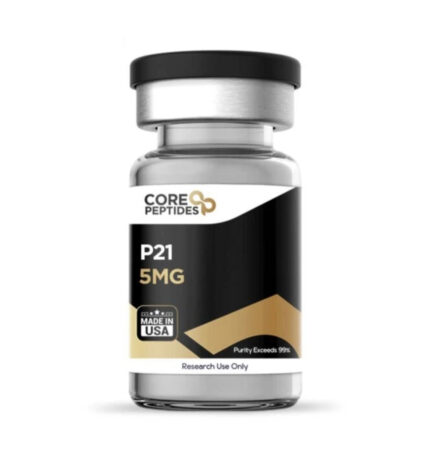
P21 Peptide (5mg)
P21 5 mg provides a high-purity, laboratory-verified lyophilized peptide manufactured under strict quality control standards in the USA. Formulated with 5 mg of pure P21—a synthetic peptide mimetic derived from ciliary neurotrophic factor (CNTF)—this compound is widely utilized in neurobiology, cognitive science, and neurodegenerative disease research examining neurogenesis, synaptic plasticity, BDNF signaling, and cognitive enhancement mechanisms.
Key Specifications
Active Compound: P21 Peptide (CNTF-derived synthetic peptide)
Chemical Formula: \text{C}_{30}\text{H}_{55}\text{N}_{9}\text{O}_{9}
Concentration: 5 mg per vial
Purity Standard: Exceeds 99% (Third-Party HPLC Verified)
Formulation: Sterile Lyophilized Powder
Origin: Manufactured in USA
Classification: Research Use Only
Primary Research Applications
Neurogenesis & Synaptogenesis: P21 is evaluated for its ability to promote neural progenitor cell proliferation and maturation in the dentate gyrus of the hippocampus, supporting research into structural brain plasticity.
Neurotrophic Factor Expression: Extensively studied for enhancing endogenous brain-derived neurotrophic factor (BDNF) and nerve growth factor (NGF) signaling pathways without inducing CNTF-receptor autoantibodies.
Cognitive Enhancement & Neuroprotection: Investigated in animal models of cognitive impairment, Alzheimer's disease, and traumatic brain injury to analyze memory retention recovery and synaptic density preservation.
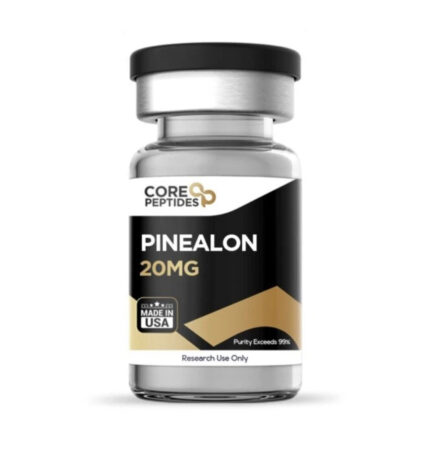
Pinealon Peptide (20mg)
Pinealon Peptide 20 mg is a research-grade lyophilized tripeptide engineered for high-purity laboratory applications. Each vial contains 20 mg of HPLC-verified Pinealon, third-party tested to guarantee over 99% purity and manufactured in the USA under strict standards. Formulated specifically for research investigating neuroprotection, pineal gene expression, and cognitive function optimization, this product is strictly intended for research use only.
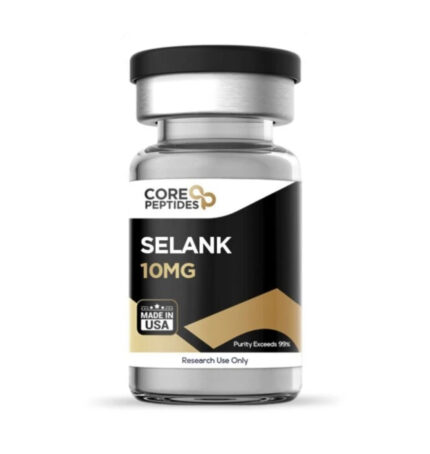
Selank (10mg)
Selank 10 mg is a research-grade lyophilized peptide engineered for high-purity laboratory applications. Each vial contains 10 mg of HPLC-verified Selank, third-party tested to guarantee over 99% purity and manufactured in the USA under strict quality standards. Formulated specifically for research investigating GABAergic neurotransmission, BDNF gene expression, and neuroprotective signaling pathways, this product is strictly intended for research use only.
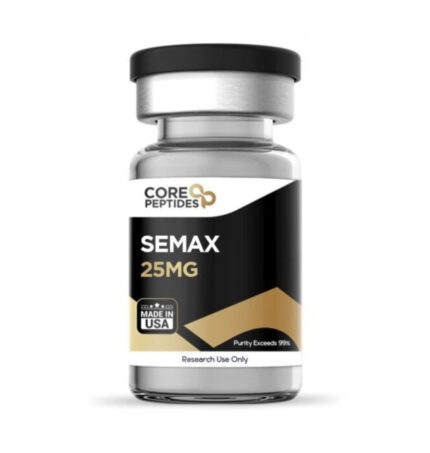
Semax (25mg)
Semax (25mg) is a premium research-grade synthetic heptapeptide (≥98% purity) studied for its potent neuroprotective, memory-enhancing, and BDNF-boosting properties. Supplied as a stable, lyophilized powder, every batch is HPLC and Mass Spectrometry verified to ensure maximum purity and consistency for laboratory investigation.
For research and laboratory use only. Not for human consumption.
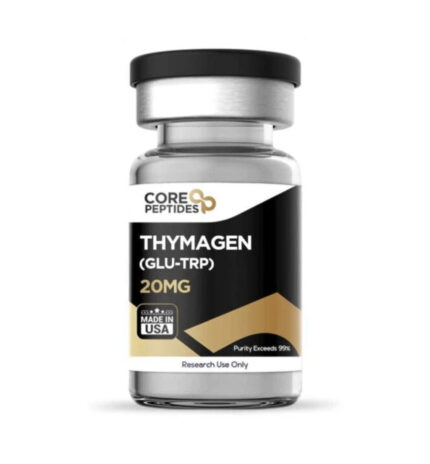
Thymagen Peptide (20mg)
Thymagen 20 mg provides a high-purity, laboratory-verified lyophilized peptide manufactured under strict quality control standards in the USA. Formulated with 20 mg of pure Thymagen—a synthetic dipeptide bioregulator consisting of L-glutamic acid and L-tryptophan (Glu-Trp)—this compound is widely utilized in immunology, molecular biology, and epigenetic research examining T-cell activation, chromatin structure modification, and immune system homeostasis regulation.
Key Specifications
Active Compound: Thymagen (L-Glutamyl-L-Tryptophan / Glu-Trp)
Chemical Formula: \text{C}_{16}\text{H}_{19}\text{N}_{3}\text{O}_{5}
Concentration: 20 mg per vial
Purity Standard: Exceeds 99% (Third-Party HPLC Verified)
Formulation: Sterile Lyophilized Powder
Origin: Manufactured in USA
Classification: Research Use Only
Primary Research Applications
Immune Response Modulation: Thymagen is extensively evaluated for its ability to regulate cellular immune activity, restore suppressed T-lymphocyte proliferation, and balance helper-to-suppressor T-cell ratios.
Epigenetic & Gene Expression Regulation: Studied in cell biology models for its capacity to interact with histone proteins and DNA sequences, influencing gene expression associated with protein synthesis and immune cell differentiation.
Tissue Regeneration & Stress Resistance: Investigated for its protective effects on hemopoiesis, resistance to oxidative injury, and systemic recovery mechanisms following toxic or infectious immune suppression.
Reviews
There are no reviews yet.