





















Pinealon Peptide (20mg)
$75.00
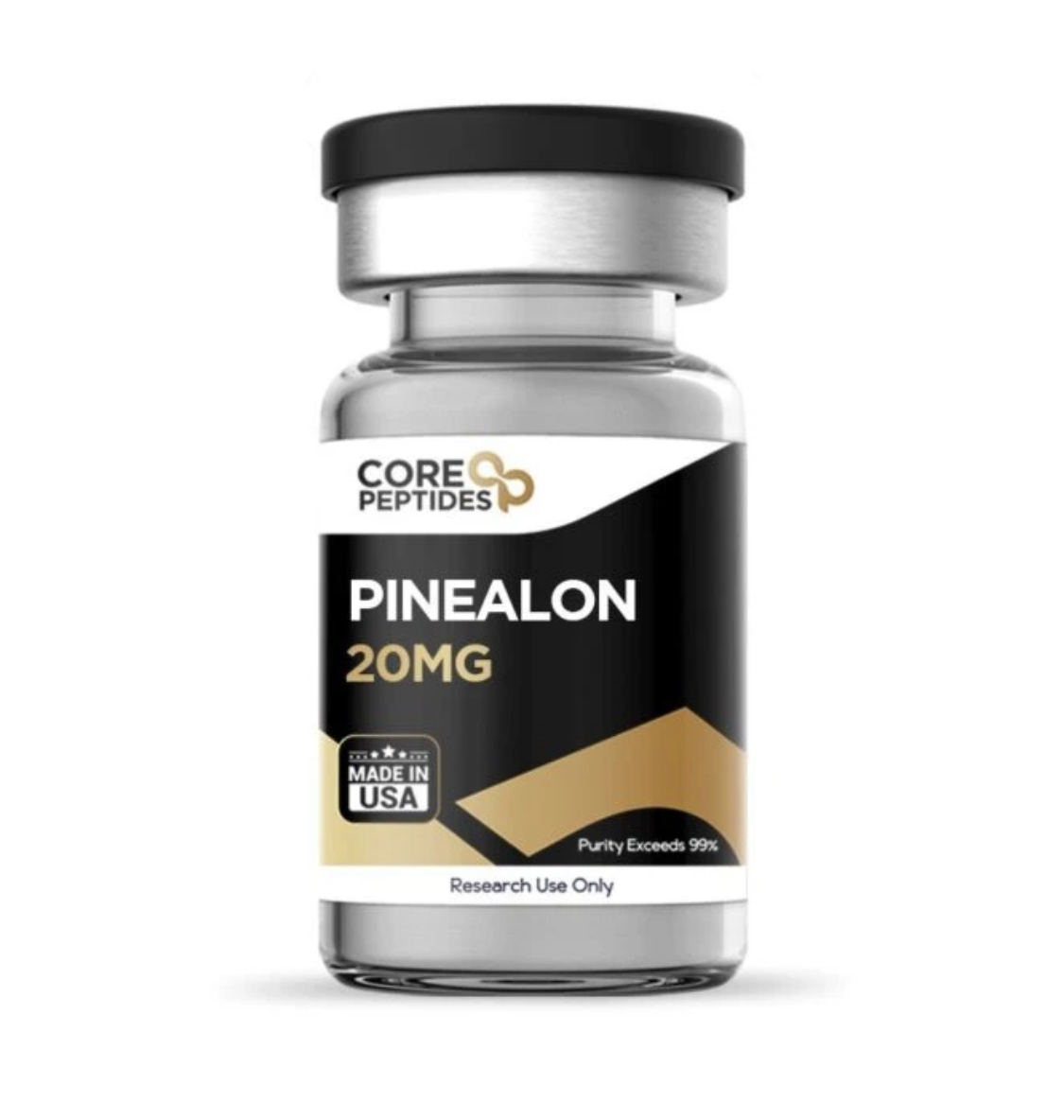
Pinealon Peptide 20 mg is a research-grade lyophilized tripeptide engineered for high-purity laboratory applications. Each vial contains 20 mg of HPLC-verified Pinealon, third-party tested to guarantee over 99% purity and manufactured in the USA under strict standards. Formulated specifically for research investigating neuroprotection, pineal gene expression, and cognitive function optimization, this product is strictly intended for research use only.
Pinealon Peptide
Pinealon is a short synthetic peptide composed of three amino acids Glu-Asp-Arg, also known as the EDR peptide.(1)(2) Pinealon is suggested to impact the central nervous system, which may lead to behavior modification while also possibly protecting neurons and various cell types from oxidative stress. The primary research focus on this peptide is evaluating its potential to penetrate the blood-brain barrier, cellular membrane, and nuclear membrane. However, researchers have also suggested that it may also interact directly with DNA molecules.
Pinealon tripeptide is isolated from another chemical compound, Cortexin.(2) Cortexin is a polypeptide with a particularly low molecular weight. Due to this low weigh, Cortexin has been suggested by researchers to cross the blood-brain barrier to produce potential stimulatory action on the neurotransmitters in the brain.(3)
Overview
The neuroprotective and anti-apoptotic potential of the Pinealon peptide has been posited by researchers to be exerted via the MAPK / ERK signaling pathway.(2)The ERK signaling cascade may play a role in the phosphorylation of the substrates, which may lead to elevated neuron plasticity and increased cellular stress. In turn, this action may lead to cellular apoptosis. Similarly, MAPK signaling has been associated with certain metabolic disorders and inflammatory reactions. Researchers suggest that Pinealon may potentially reduce the synthesis of reaction oxygen species (ROS) on the cellular level. ROS is considered a messenger to MAPK and ERK signaling pathways, and the reduced synthesis may lead to a reduction in signaling reactions, preventing cellular stress and cell death.(2)
Studies on Pinealon have suggested a concentration-dependent action. At lower concentrations, the peptide may potentially restrict the synthesis and subsequent accumulation of ROS and cell death. In comparison, the peptide might lead to a modulation of the cell cycle at higher concentrations. Researchers reporting this apparent correlation in peptide presence have suggested that it may exert antioxidant potential at lower concentrations while possibly interacting with the cell genome and altering the cell cycle.(4)
Chemical Makeup
Molecular Formula: C15H26N6O8
Molecular Weight: 418.4 g/mol
Other Known Titles: EDR, Glu-Asp-Arg
Research and Clinical Studies
Pinealon Peptide and Cell Aging
The main purpose of this clinical study was to analyze the cellular and metabolic aspects of synthetic tripeptides, including Pinealon and a similar peptide called Vesugen. As part of this study,(5) research models of poly-morbidity and organic brain syndrome were observed. Both peptides exhibited apparent anabolic potential; researchers reported improvement in the functioning of the central nervous system and other vital organs compared to control models. The peptides did not appear to affect the degree of chromatin condensation, which the researchers indicated may suggest that the peptides do not act on cellular levels.
Another separate study(6) has suggested that the Pinealon peptide may potentially act on muscle cells, modulating the levels of irisin. Scientists consider irisin to be central to muscle cell protection and mainly secreted during physical strain. Irisin may lead to the burning of excessive fat cell stores and is assumed by researchers to induce an elongation of telomeres (DNA caps) as well. By potentially increasing irisin levels, Pinealon may potentially exert protection of DNA telomeres and counteract cell aging action to some degree.
Pinealon Peptide and Prenatal Hyperhomocysteinemia
Scientists characterize hyperhomocysteinemia by the excessive concentration of homocysteine (HC) amino acid in the blood, indicating extreme vitamin deficiency, which might lead to an increased risk of neurological deterioration.(7) The main goal of this study(8) was to determine the potential of Pinealon on experimentally induced hyperhomocysteinemic pregnant female murine models. The female rats were given methionine from their second trimester onwards, which appeared to lead to increased concentration of homocysteine (HC) levels. The rat offspring from the control and the experimental models were then observed for this study. Upon analysis, it was suggested by the researchers that the peptide did not appear to reduce or inhibit the development of homocysteine in the offspring, however, there appeared to be some action seen in the experimental models, as they appeared to exhibit increased cognitive processing. The researchers suggested that the peptide did not appear to induce the metabolism of homocysteine but may have led to reduced toxic action of the compound.
Pinealon Peptide and Serotonin Expression
Studies(9) were conducted on the isolated brain cell cultures where the Pinealon peptide was presented. Upon analysis, it was suggested that the peptide might stimulate levels of serotonin expression in the cell cultures. Preliminary results seemed to indicate that after exposure to Pinealon, there was a notable increase in serotonin synthesis compared to the control groups. This increase was quantitatively assessed to be 1.9 times greater in younger cell cultures. The molecular dynamics behind this observed action might involve Pinealon’s interaction with the DNA. It is speculated that this augmentation in serotonin production may be facilitated by Pinealon’s potential to bind specifically to a DNA sequence within the promoter region of the gene encoding 5-tryptophan hydroxylase, an enzyme considered to be critical for serotonin synthesis. More specifically, the peptide is hypothesized to bind to a particular nucleotide sequence in the promoter region of the 5-tryptophan hydroxylase gene, potentially enhancing the transcriptional activity of the gene and thus increasing 5-tryptophan hydroxylase enzyme production. Additionally, molecular docking simulations were employed to formulate hypotheses about the peptide’s binding orientation and stability with the DNA. These simulations, which consider factors like hydrophobic interactions, electrostatic forces, and hydrogen bonding, indicated a lower (negative) binding energy for Pinealon compared to another peptide, Lys-Glu-Asp. Such a decrease in binding energy suggests a more stable potential interaction with DNA, which might lead to elevated levels of 5-tryptophan hydroxylase enzyme synthesis and, subsequently, increased serotonin production. Scientists consider serotonin a key mood-stabilizing hormone, and further studies are being conducted to observe the potential of Pinealon on serotonin synthesis.
Another study suggests that Pinealon may potentially influence serotonin levels in the cerebral cortex of murine models under conditions of mild hypothermia. The possible elevation of serotonin levels postulated in the research might indicate that Pinealon could be involved in modulating these aspects of brain function, particularly in response to stress induced by mild hypothermia.(10)The same study also suggests that such models may exert an accumulation of adrenergic mediators when exposed to Pinealon and acute hypobaric hypoxia. Adrenergic mediators are chemicals that transmit nerve impulses and may potentially influence various brain functions, particularly under stress. The increase in these mediators might indicate a response mechanism of Pinealon that may be associated with neuroprotective activities.
Pinealon Peptide and Anti-apoptotic Potential
Studies(11) have suggested that Pinealon peptide may impact the levels of the caspase 3 enzyme. Scientists consider the caspase 3 enzyme an initiator of cell apoptosis (controlled cell death). When Pinealon peptide was presented in experimental murine models of ischemic stroke, the peptide appeared to modulate the levels of this enzyme, thereby shutting down the pathway of cellular death. This, in turn, reportedly reduced hypoxia action during the stroke. The research posits that Pinealon may play a role in reducing neuroinflammation and potentially restoring neurogenic processes to their reference levels, presumably those observed under normoxic (normal oxygen) conditions. By potentially fostering an environment conducive to neurogenesis during hypoxic stress, researchers also posit that Pinealon may contribute to the brain’s resilience against oxygen deprivation. In addition to its apparent role in modulating the activity of caspase-3, Pinealon was also suggested to influence levels of interleukin-6 and tumor necrosis factor. Interleukin-6 and tumor necrosis factors are cytokines commonly linked with inflammation and cellular stress responses. The implication is that Pinealon might help bring these inflammatory markers back to baseline levels, thus potentially mitigating the inflammatory response and apoptosis triggered by hypoxic conditions.
The action of suppressing the caspase 3 enzyme was also observed in skin cells. By reducing cellular apoptosis, the peptide may potentially stimulate cell proliferation, possibly leading to an increased regenerative process.


Related products
AICAR Peptide (50mg)
AICAR 50 mg provides a high-purity, laboratory-verified lyophilized compound manufactured under strict quality control standards in the USA. Formulated with 50 mg of pure AICAR (5-Aminoimidazole-4-carboxamide ribonucleotide) per vial, this synthetic adenosine analog is widely utilized in cellular, metabolic, and exercise physiology research investigating AMP-activated protein kinase (AMPK) activation, cellular energy homeostasis, and mitochondrial biogenesis pathways.
Key Specifications
Active Compound: AICAR (Acadesine / AICA Riboside)
Chemical Formula: \text{C}_{9}\text{H}_{15}\text{N}_{4}\text{O}_{8}\text{P}
Concentration: 50 mg per vial
Purity Standard: Exceeds 99% (Third-Party HPLC Verified)
Formulation: Sterile Lyophilized Powder
Origin: Manufactured in USA
Classification: Research Use Only
Primary Research Applications
AMP-Activated Protein Kinase (AMPK) Activation: AICAR is intracellularly phosphorylated into ZMP, an AMP mimic that directly activates AMPK without altering cellular ATP/ADP ratios, facilitating targeted metabolic research.
Mitochondrial Biogenesis & Endurance Pathways: Applied in cell cultures to analyze upregulated PGC-1$\alpha$ signaling, glucose uptake enhancement, and lipid oxidation mechanisms.
Ischemic & Cellular Energy Homeostasis Studies: Extensively investigated in cardiac and skeletal muscle models measuring metabolic adaptation, cellular stress response, and insulin sensitivity.
CJC-1295 NO DAC (Mod GRF 1-29) (5mg)
CJC-1295 NO DAC (Mod GRF 1-29) 5mg is a premium, high-purity (\ge99% HPLC-verified) synthetic peptide derived from natural Growth Hormone-Releasing Hormone (GHRH). Engineered with four target amino acid substitutions (positions 2, 8, 15, and 27), it offers superior resistance against DPP-IV enzymatic degradation while maintaining a natural, short-acting pulsatile signaling profile. Supplied as a sterile, lyophilized powder strictly for scientific laboratory and in vitro research applications.
GHK-Cu (Copper) (50mg)
GHK-Cu (50mg) is a premium copper-binding tripeptide engineered to support advanced tissue repair, collagen synthesis, and cellular regeneration. Naturally present in human plasma, GHK-Cu levels decline with age. This potent peptide actively stimulates collagen and elastin production, accelerates wound healing, reduces fine lines, and promotes skin firmness and hair follicle restoration. Ideal for anti-aging and regenerative research applications.
Key Benefits: Boosts collagen & elastin, aids tissue remodeling, enhances skin barrier health, supports hair density.
Format: 50mg lyophilized powder (purity ≥99%).
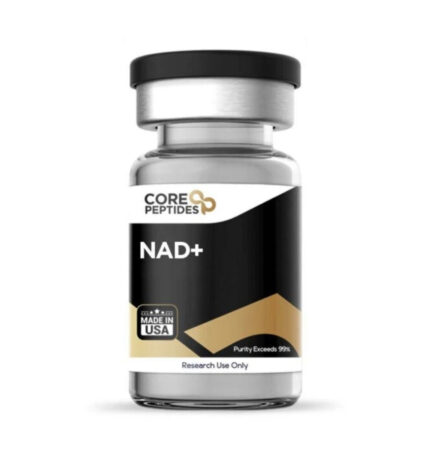
NAD+ Peptide (750 mg)
NAD+ Peptide 750 mg provides a high-purity, laboratory-verified lyophilized coenzyme manufactured under strict quality control standards in the USA. Formulated with 750 mg of pure Nicotinamide Adenine Dinucleotide (\text{NAD}^+) per vial, this essential coenzyme is widely utilized in cellular biology, metabolic pathways, and anti-aging research examining mitochondrial oxidative phosphorylation, sirtuin enzyme activation, PARP-mediated DNA repair, and intracellular redox homeostasis.
Key Specifications
Active Compound: \text{NAD}^+ (Nicotinamide Adenine Dinucleotide)
Chemical Formula: \text{C}_{21}\text{H}_{27}\text{N}_{7}\text{O}_{14}\text{P}_{2}
Concentration: 750 mg per vial
Purity Standard: Exceeds 99% (Third-Party HPLC Verified)
Formulation: Sterile Lyophilized Powder
Origin: Manufactured in USA
Classification: Research Use Only
Primary Research Applications
Mitochondrial ATP Production & Electron Transport: Functions as a critical electron acceptor in glycolysis and the citric acid cycle, making it essential for research into cellular respiration kinetics and energy production efficiency.
Sirtuin (SIRT1–SIRT7) & PARP Activation: Serves as a required substrate for sirtuins and poly(ADP-ribose) polymerases (PARPs), enabling investigation into genomic stability, chromatin remodeling, and longevity signaling pathways.
Cellular Senescence & Metabolic Homeostasis: Widely applied in age-related research models measuring declining pool concentrations, oxidative stress mitigation, and systemic metabolic function restoration.
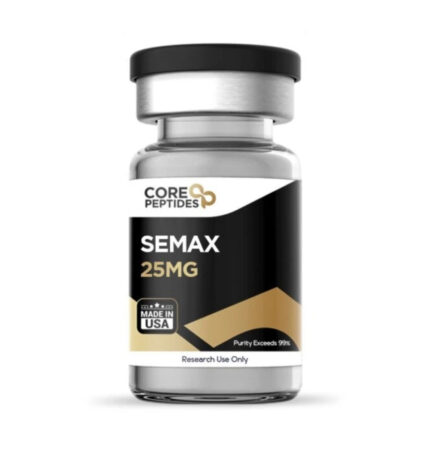
Semax (25mg)
Semax (25mg) is a premium research-grade synthetic heptapeptide (≥98% purity) studied for its potent neuroprotective, memory-enhancing, and BDNF-boosting properties. Supplied as a stable, lyophilized powder, every batch is HPLC and Mass Spectrometry verified to ensure maximum purity and consistency for laboratory investigation.
For research and laboratory use only. Not for human consumption.
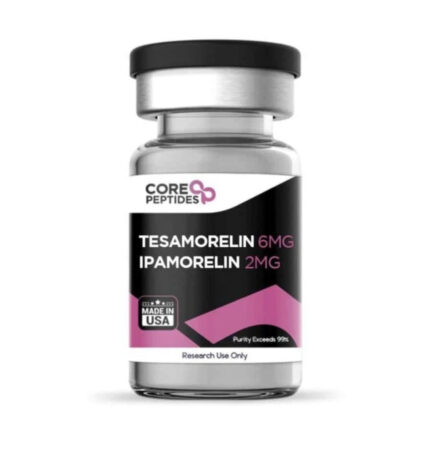
Tesamorelin & Ipamorelin Blend (8mg)
Tesamorelin 6 mg / Ipamorelin 2 mg is a research-grade lyophilized peptide blend engineered for high-purity laboratory applications. Each vial contains an 8 mg total blend (6 mg Tesamorelin / 2 mg Ipamorelin), third-party HPLC-tested to guarantee over 99% purity and manufactured in the USA under strict standards. Formulated specifically for research investigating dual GHRH and GHSR receptor activation, visceral fat metabolism, and endocrine signaling pathways, this product is strictly intended for research use only.
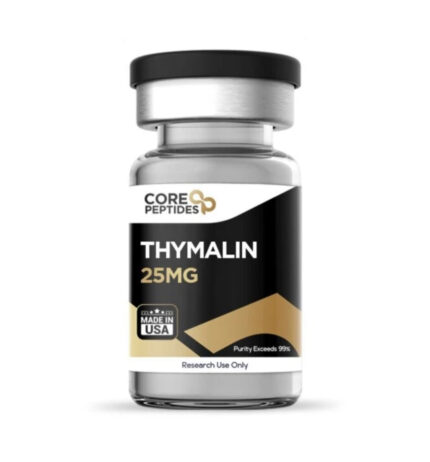
Thymalin Peptide (25mg)
Thymalin peptide 25 mg provides a high-purity, laboratory-verified lyophilized peptide manufactured under strict quality control standards in the USA. Formulated with 25 mg of pure Thymalin—a synthetic bioregulator peptide complex derived from thymic polypeptide fraction research—this compound is widely utilized in immunology, endocrinology, and biogerontology research examining T-lymphocyte differentiation, immune system homeostasis, and neuroendocrine-immune interactions.
Key Specifications
Active Compound: Thymalin (Thymic Peptide Bioregulator)
Chemical Structure: Synthetic Thymic Dipeptide Complex (Lys-Glu / Glu-Trp analogs)
Concentration: 25 mg per vial
Purity Standard: Exceeds 99% (Third-Party HPLC Verified)
Formulation: Sterile Lyophilized Powder
Origin: Manufactured in USA
Classification: Research Use Only
Primary Research Applications
Immunomodulation & T-Cell Maturation: Thymalin is studied for its ability to regulate T-lymphocyte differentiation, restore helper/suppressor T-cell ratios (CD4^+/CD8^+), and stimulate cellular immunity markers.
Thymic Involution & Immune Restoration: Evaluated in age-related immune dysfunction and immunosenescence models to measure restored thymic secretory capacity and cytokine balance.
Neuroendocrine-Immune Axis Regulation: Extensively investigated in peptide bioregulator research for its role in normalizing neuroendocrine response, pineal-thymus interaction, and gene expression pathways during chronic stress or pathology.
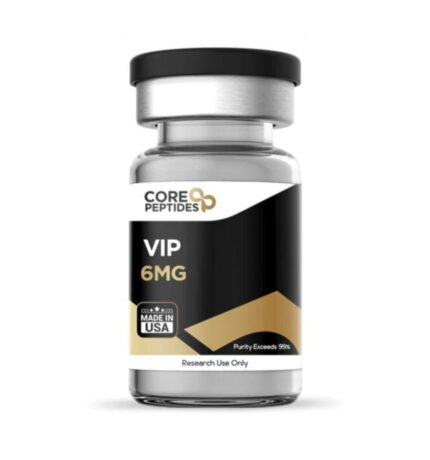
VIP Peptide (6mg)
VIP Peptide 6 mg provides a high-purity, laboratory-verified lyophilized peptide manufactured under strict quality control standards in the USA. Formulated with 6 mg of pure Vasoactive Intestinal Peptide (VIP)—a naturally occurring 28-amino-acid neuropeptide belonging to the secretin/glucagon superfamily—this compound is widely utilized in immunology, neurobiology, gastroenterology, and cardiovascular research examining immunomodulatory cascades, smooth muscle relaxation, and suprachiasmatic nucleus circadian clock synchronization.
Key Specifications
Active Compound: Vasoactive Intestinal Peptide (VIP)
Chemical Formula: \text{C}_{147}\text{H}_{238}\text{N}_{44}\text{O}_{42}\text{S}
Concentration: 6 mg per vial
Purity Standard: Exceeds 99% (Third-Party HPLC Verified)
Formulation: Sterile Lyophilized Powder
Origin: Manufactured in USA
Classification: Research Use Only
Primary Research Applications
Immunomodulation & Anti-Inflammatory Pathways: VIP acts via VPAC1 and VPAC2 receptors to inhibit pro-inflammatory cytokines (TNF-\alpha, IL-6, IL-12) while upregulating anti-inflammatory pathways (IL-10), making it a benchmark subject in autoimmune and chronic inflammatory signaling research.
Vascular & Pulmonary Smooth Muscle Regulation: Evaluated in cardiovascular and respiratory models for its potent vasodilatory properties, pulmonary arterial pressure regulation, and airway bronchodilator mechanisms.
Circadian Rhythm & Neuroendocrine Signaling: Extensively studied in suprachiasmatic nucleus (SCN) neuronal models to analyze central biological clock entrainment, neuropeptide release dynamics, and intestinal mucosal signaling.
Reviews
There are no reviews yet.