





















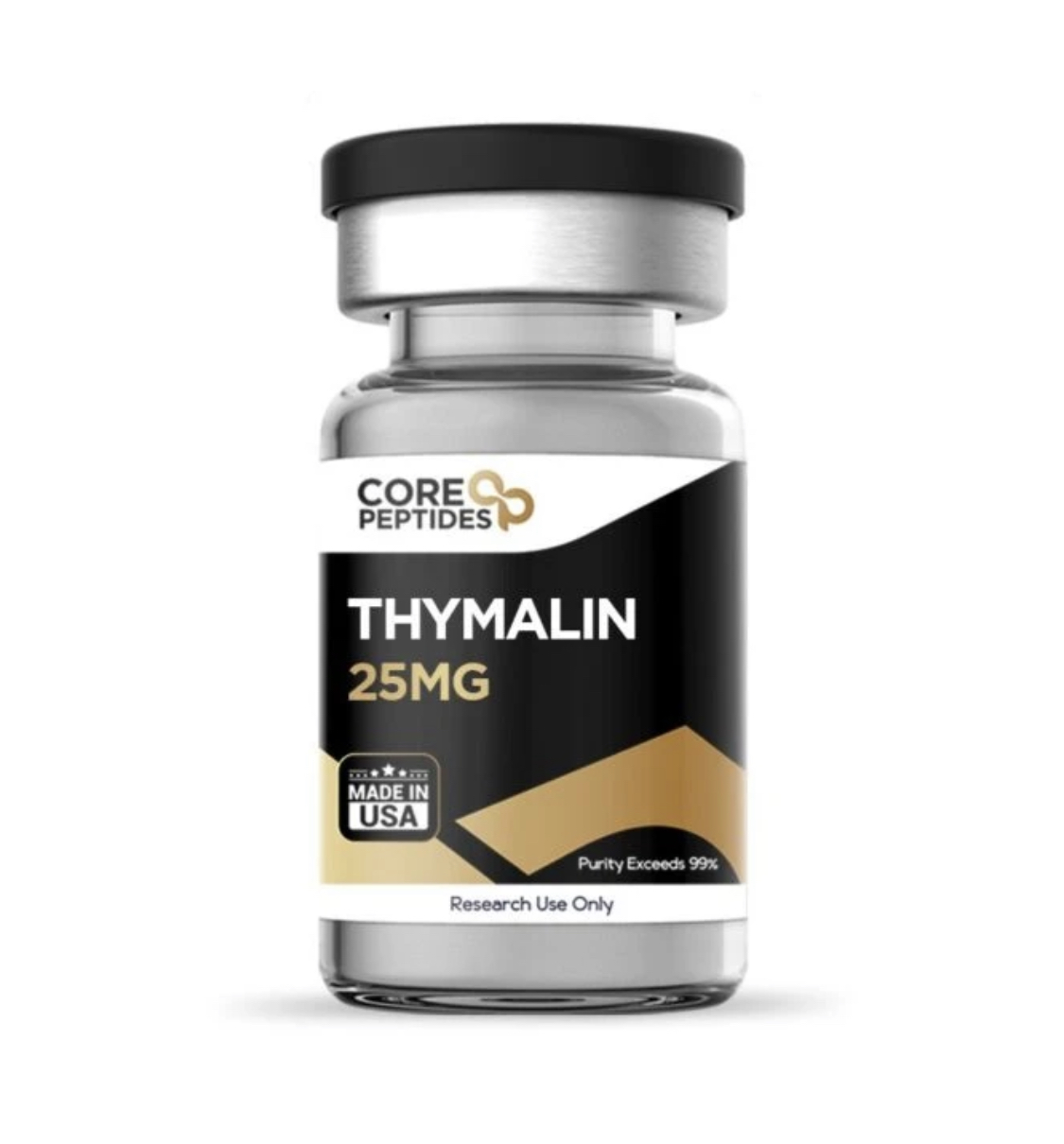

Thymalin Peptide (25mg)
$135.00
Thymalin peptide 25 mg provides a high-purity, laboratory-verified lyophilized peptide manufactured under strict quality control standards in the USA. Formulated with 25 mg of pure Thymalin—a synthetic bioregulator peptide complex derived from thymic polypeptide fraction research—this compound is widely utilized in immunology, endocrinology, and biogerontology research examining T-lymphocyte differentiation, immune system homeostasis, and neuroendocrine-immune interactions.
Key Specifications
Active Compound: Thymalin (Thymic Peptide Bioregulator)
Chemical Structure: Synthetic Thymic Dipeptide Complex (Lys-Glu / Glu-Trp analogs)
Concentration: 25 mg per vial
Purity Standard: Exceeds 99% (Third-Party HPLC Verified)
Formulation: Sterile Lyophilized Powder
Origin: Manufactured in USA
Classification: Research Use Only
Primary Research Applications
Immunomodulation & T-Cell Maturation: Thymalin is studied for its ability to regulate T-lymphocyte differentiation, restore helper/suppressor T-cell ratios (CD4^+/CD8^+), and stimulate cellular immunity markers.
Thymic Involution & Immune Restoration: Evaluated in age-related immune dysfunction and immunosenescence models to measure restored thymic secretory capacity and cytokine balance.
Neuroendocrine-Immune Axis Regulation: Extensively investigated in peptide bioregulator research for its role in normalizing neuroendocrine response, pineal-thymus interaction, and gene expression pathways during chronic stress or pathology.
Thymalin Peptide
Thymalin is a polypeptide isolated from the thymus gland, believed by researchers to help regulate immune functions.(2) Studies have suggested that Thymalin, a naturally occurring polypeptide, is primarily found in the young epidermal cells of the thymus gland. With increasing age, the levels of Thymalin decrease, eventually becoming thinned out and non-uniform in nature.(5)
Natural thymic peptides such as Thymalin were first isolated from the thymus gland via a mild acid extraction process. Upon further isolation studies, the proposed immunomodulatory molecule composed by Thymalin (L-Glu-L-Trp) was discovered and researched. This dipeptide molecule in Thymalin may possibly play a role in the peptide mechanism.(4)
While both Thymalin and Thymulin are naturally occurring thymic factors, their mode of action is hypothesized by researchers to different, where Thymalin is a polypeptide that may regulate thymic functions at optimal levels, the Thymulin appears to be a zinc-dependent nonapeptide hormone that may possibly enhance the thymic functions in fighting T-cell suppression.
Overview
Studies have been conducted to understand the functioning of both natural and synthetic thymic peptides.(6) The main compounds that have been studied areThymalin (natural polypeptide), Thymogen (synthetic peptide) and Vilon (its derived dipeptide).
The study suggested that all the peptides within this thymic family appear to function via possibly stimulating thymic functions i.e., differentiation of T-cells, induced changes in the nucleotides and cytokine cells and secretion of lymphocytes. The other significant hypothesis made during this study was that the naturally occurring peptide, Thymalin, may potentially stimulate the antioxidant responses, whereas the two synthetic analogues did not appear to the researchers to alter these responses. Thymalin, being a natural extract, possibly exhibits a broader range of biological activities compared to its synthetic counterparts, Thymogen and Vilon. For instance, by potentially aiding in the reduction of oxidative stress, Thymalin might contribute indirectly to controlling inflammatory responses, which are typically exacerbated by oxidative damage.
Chemical Makeup
Molecular Formula: C33H54N12O15
Molecular Weight: 858.864 g/mol
Other Known Titles: Thymulin, Thymic Factor
Research and Clinical Studies
Thymalin and Carcinogenesis
In this study,(7) 76 female rats of 5 months of age were selected. The main aim of this study was to determine the potential of Thymalin on the tumor development and thereby survival rates of the test models. The rats were divided into two groups, where 32 rats were presented with saline, and the remaining rats were presented with Thymalin. The compounds were introduced to the test subjects 5x a week for one year. All rats were monitored for mortality rates and development of tumors throughout the one-year period. The study results reported that the average lifespan in the control group was 949 days whereas in the peptide group was 1048 days. The “aging rate” was reported as 0.0071 days in the control group and 0.0041 in the peptide group. What’s more, the tumor incidence reportedly decreased by 1.5x in the peptide group as compared to the control group. It is plausible that the reduction in tumor occurrence was even more significant for hematopoietic cancer cells, with incidences appearing to be approximately 3.4 times lower in murine models exposed to the peptide. This observation might indicate that the peptide could influence key elements of the immune system essential for inhibiting cancer cell development and its progression. Subsequent inquiries into the mechanisms underlying these observations might show that the L-Glu-L-Trp in Thymalin is linked with improved differentiation of T-cumin, which are critical components of the adaptive immune system. This process may enhance the ability of these cells to identify complexes of peptides and major histocompatibility complex (MHC) molecules. Furthermore, noticeable alterations were observed in the levels of cyclic nucleotides within the cells, which play roles in cellular signaling processes. Additionally, there was an activation of neutrophil chemotaxis and phagocytosis, processes involved in the first-line defense against pathogens and potentially malignant cells. Furthermore, analysis of the study’s data demonstrated that L-Glu-L-Trp was quickly absorbed, attaining notable concentrations in tissues such as the liver and lymph nodes. The presence of the peptide in these pivotal locations might enable a more efficient immune response, which could be a factor in the observed scientific findings.
Thymalin and Viral Infection
In this clinical study,(8) 50 female test subjects with HHV 1 and a group of control subjects were examined. All the subjects were presented with thymic peptides similar to Thymalin for a period of 2 months. Before and after the study, peripheral blood cell tissues were collected from the subjects and examined to monitor the cytokine levels upon peptide presentation. Upon analysis, it was determined that compared to the control group, the cytokine levels were elevated in a higher proportion in the HHV 1 group. The levels of cytokines CD4+ and CD8+ were reportedly elevated in the HHV 1 group as compared to the control. Additionally, researchers reported that after a two-month period, no reactivation of the HHV 1 virus was reported in the test group. Further analysis was conducted to understand the potential mechanisms through which thymic peptides may influence immune exhaustion markers and cytokine levels. The study reported changes in the expression of the exhaustion markers PD-1 and PD-L1 on both T and B lymphocytes. Post-exposure measurements indicated a notable decrease in the co-expression of these markers, suggesting a potential revitalization of immune response capabilities in the subjects. Moreover, the specific increase in the levels of IFN-γ and IL-2 related to thymic peptides suggests a targeted enhancement of Th1 immune responses, which are crucial for antiviral defense. This action was observed without significant changes in the levels of IL-4 and IL-10, indicating that thymic peptides might selectively promote a type of immune response that is more effective against viral infections, without broadly elevating all aspects of immune activation.
Thymalin and Toxic Goiter Models
In this clinical study,(9) 104 test subjects with mild Diffuse Toxic Goiter (DTG) were enrolled, and their levels of medium weight molecular peptides and lipid oxidation rates were monitored. The main aim of this study was to establish the potential of Thymalin in interacting with DTG. The test subjects were divided into five groups where each group was presented with an external compound, a combination of Thymalin and an external compound, or the peptide alone. Following the study, it was reported that a combination of compounds and Thymalin exhibited mitigation of DTG symptoms in the test subjects.
Thymalin and Lympholeukemia Models
In this clinical study,(12) test subjects with chronic lymphoid leukemia were enrolled in the inclusion study composed of specific and nonspecific immune correction action, namely Thymalin presentation and plasmapheresis, respectively. Compared to the sole impact of chemotherapeutic agents, this combined presentation apparently resulted in a reported increase in physiological functioning within a short period.
Thymalin and Geroprotection
In this test study,(13) the geroprotective potential of Thymalin (thymic peptide) and Epithalamin (pineal peptide) were studied on 266 mature test subjects for a period of 6 to 8 years. The subjects were presented with the peptides for the first 2 to 3 years and were then monitored on a regular basis. The subjects were divided into several groups: Group I was presented with Thymalin, Group II with Epithalamin, Group III with both peptides and a separate group where test subjects were presented with both peptides at a different concentration rate. The peptides were presented to the test models annually for 6 years. The studies suggested that basic functions improved significantly upon study under both the peptides, including cardiovascular, neurological, immunological functions and that the peptide possibly improved rates of metabolism and hemostasis. It is posited that Thymalin may contribute to the maintenance or possibly the rejuvenation of thymic function, which typically declines gradually. This action on thymic function might explain the observed improvements in T-cell mediated immunity. Researchers noted a potential restoration of both the quantity and functionality of T-cells, which are critical for adaptive immunity. Additionally, Thymalin may exert actions on systemic inflammation, a common feature in aging models. The study hinted at a possible reduction in markers of systemic inflammation in subjects exposed to Thymalin. This observation aligns with the hypothesized role of Thymalin in modulating cytokine production and immune cell regulation, which may collectively contribute to a reduction in chronic inflammation. The potential influence of Thymalin on stress hormones, particularly cortisol, was another focal point of the study. Thymalin might potentially modulate the hypothalamic-pituitary-adrenal (HPA) axis to stabilize cortisol levels, thereby mitigating some of the adverse actions of stress. In terms of metabolic actions, subjects exposed to Thymalin showed potential improvements in metabolic stability. Researchers observed a possible normalization of metabolic parameters such as glucose and lipid profiles. These changes could be indicative of Thymalin’s influence on metabolic processes, possibly through enhancement of cellular metabolism or through direct actions on metabolic enzymes.
References:
- Disorders of the Immune system. https://www.hopkinsmedicine.org/health/conditions-and-diseases/disorders-of-the-immune-system
- Khavinson VK, Linkova NS, Kvetnoy IM, Polyakova VO, Drobintseva AO, Kvetnaia TV, Ivko OM. Thymalin: Activation of Differentiation of Human Hematopoietic Stem Cells. Bull Exp Biol Med. 2020 Nov;170(1):118-122. doi: 10.1007/s10517-020-05016-z. Epub 2020 Nov 25. https://pubmed.ncbi.nlm.nih.gov/33237528/


Related products
B7-33 (6mg)
B7-33 6 mg provides a high-purity, laboratory-verified lyophilized peptide manufactured under strict quality control standards in the USA. Formulated with 6 mg of pure B7-33—a single-chain synthetic peptide functional analog of human gene-2 relaxin (H2 relaxin)—this compound is widely utilized in cardiovascular, nephrology, and matrix biology research examining selective RXFP1 receptor signaling, extracellular matrix (ECM) remodeling, and anti-fibrotic signaling pathways without inducing tumor growth pathways.
Key Specifications
Active Compound: B7-33 (Relaxin-2 Receptor Agonist)
Chemical Formula: \text{C}_{136}\text{H}_{210}\text{N}_{40}\text{O}_{41}
Concentration: 6 mg per vial
Purity Standard: Exceeds 99% (Third-Party HPLC Verified)
Formulation: Sterile Lyophilized Powder
Origin: Manufactured in USA
Classification: Research Use Only
Primary Research Applications
Targeted Anti-Fibrotic Activity: B7-33 acts through the RXFP1 receptor to upregulate matrix metalloproteinases (MMPs) and suppress excessive collagen deposition, providing a targeted model for reversal of organ fibrosis.
Cardiovascular & Renal Remodeling: Extensively evaluated in preclinical models of heart failure, renal scarring, and vascular stiffness to assess hemodynamic regulation and arterial compliance enhancement.
Biasing RXFP1 Receptor Signaling: Investigated for its ability to preferentially stimulate pERK signaling over cAMP accumulation, preventing unwanted inotropic or proliferative side effects associated with full-length native relaxin.
Epithalon (25mg)
Epithalon 25 mg is a research-grade lyophilized tetrapeptide engineered for high-purity laboratory applications. Each vial contains 25 mg of HPLC-verified Epithalon, third-party tested to guarantee over 99% purity and manufactured in the USA under strict standards. Formulated specifically for research investigating telomerase enzyme induction, pineal function restoration, and cellular longevity pathways, this product is strictly intended for research use only.
GHK-Cu (Copper) (50mg)
GHK-Cu (50mg) is a premium copper-binding tripeptide engineered to support advanced tissue repair, collagen synthesis, and cellular regeneration. Naturally present in human plasma, GHK-Cu levels decline with age. This potent peptide actively stimulates collagen and elastin production, accelerates wound healing, reduces fine lines, and promotes skin firmness and hair follicle restoration. Ideal for anti-aging and regenerative research applications.
Key Benefits: Boosts collagen & elastin, aids tissue remodeling, enhances skin barrier health, supports hair density.
Format: 50mg lyophilized powder (purity ≥99%).
Humanin (10mg)
Humanin 10 mg provides a high-purity, laboratory-verified lyophilized peptide manufactured under strict quality control standards in the USA. Formulated with 10 mg of pure Humanin—a naturally occurring 24-amino-acid micropeptide encoded within the mitochondrial genome (16S rRNA)—this compound is widely utilized in cellular biology, metabolic health, and neurodegenerative disease research investigating cytoprotective mechanisms, oxidative stress regulation, and insulin sensitivity pathways.
Key Specifications
Active Compound: Humanin (HN)
Chemical Formula: \text{C}_{119}\text{H}_{204}\text{N}_{34}\text{O}_{35}\text{S}_{2}
Concentration: 10 mg per vial
Purity Standard: Exceeds 99% (Third-Party HPLC Verified)
Formulation: Sterile Lyophilized Powder
Origin: Manufactured in USA
Classification: Research Use Only
Primary Research Applications
Cytoprotection & Anti-Apoptotic Pathways: Humanin is studied for its ability to suppress Bax-mediated apoptosis, protecting various cell lines against programmed cell death triggered by toxic insults.
Neuroprotective Dynamics: Extensively evaluated in Alzheimer’s disease and neurodegenerative models to analyze its role in mitigating amyloid-beta (A\beta) cytotoxicity and preserving neuronal function.
Mitochondrial & Metabolic Homeostasis: Investigated for its regulatory actions on insulin sensitivity, glucose metabolism, and cellular homeostasis under conditions of metabolic stress.
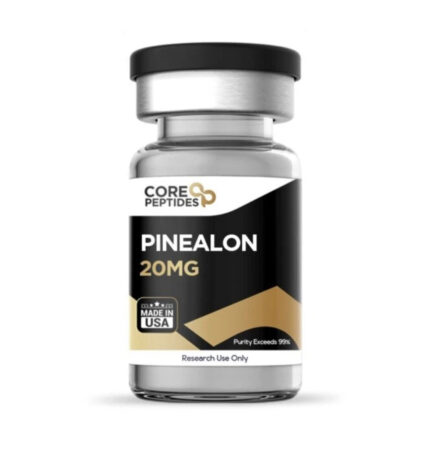
Pinealon Peptide (20mg)
Pinealon Peptide 20 mg is a research-grade lyophilized tripeptide engineered for high-purity laboratory applications. Each vial contains 20 mg of HPLC-verified Pinealon, third-party tested to guarantee over 99% purity and manufactured in the USA under strict standards. Formulated specifically for research investigating neuroprotection, pineal gene expression, and cognitive function optimization, this product is strictly intended for research use only.
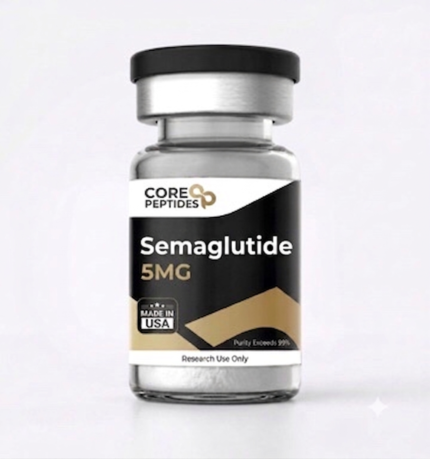
Semaglutide 5 mg
Semaglutide 5 mg is a research-grade lyophilized peptide engineered for high-purity laboratory applications. Each vial contains 5 mg of HPLC-verified Semaglutide, third-party tested to guarantee over 99% purity and manufactured in the USA under strict quality standards. Formulated specifically for research investigating GLP-1 receptor activation, glucose-dependent insulin secretion, gastric emptying regulation, and metabolic homeostasis pathways, this product is strictly intended for research use only.
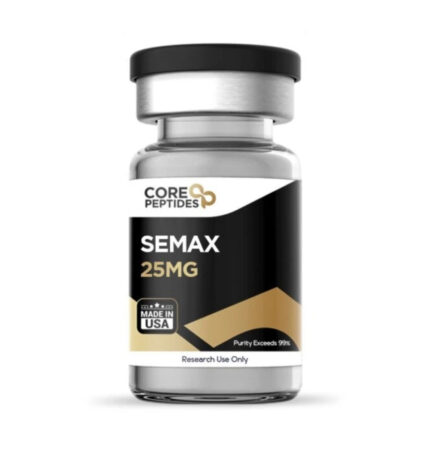
Semax (25mg)
Semax (25mg) is a premium research-grade synthetic heptapeptide (≥98% purity) studied for its potent neuroprotective, memory-enhancing, and BDNF-boosting properties. Supplied as a stable, lyophilized powder, every batch is HPLC and Mass Spectrometry verified to ensure maximum purity and consistency for laboratory investigation.
For research and laboratory use only. Not for human consumption.
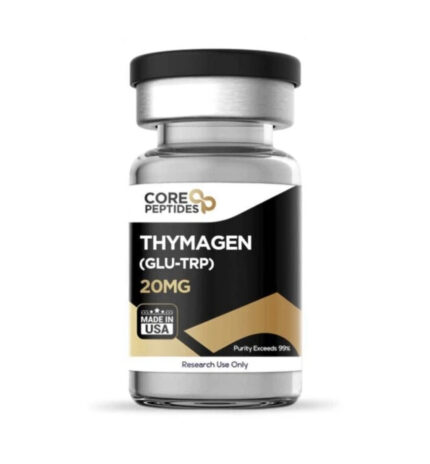
Thymagen Peptide (20mg)
Thymagen 20 mg provides a high-purity, laboratory-verified lyophilized peptide manufactured under strict quality control standards in the USA. Formulated with 20 mg of pure Thymagen—a synthetic dipeptide bioregulator consisting of L-glutamic acid and L-tryptophan (Glu-Trp)—this compound is widely utilized in immunology, molecular biology, and epigenetic research examining T-cell activation, chromatin structure modification, and immune system homeostasis regulation.
Key Specifications
Active Compound: Thymagen (L-Glutamyl-L-Tryptophan / Glu-Trp)
Chemical Formula: \text{C}_{16}\text{H}_{19}\text{N}_{3}\text{O}_{5}
Concentration: 20 mg per vial
Purity Standard: Exceeds 99% (Third-Party HPLC Verified)
Formulation: Sterile Lyophilized Powder
Origin: Manufactured in USA
Classification: Research Use Only
Primary Research Applications
Immune Response Modulation: Thymagen is extensively evaluated for its ability to regulate cellular immune activity, restore suppressed T-lymphocyte proliferation, and balance helper-to-suppressor T-cell ratios.
Epigenetic & Gene Expression Regulation: Studied in cell biology models for its capacity to interact with histone proteins and DNA sequences, influencing gene expression associated with protein synthesis and immune cell differentiation.
Tissue Regeneration & Stress Resistance: Investigated for its protective effects on hemopoiesis, resistance to oxidative injury, and systemic recovery mechanisms following toxic or infectious immune suppression.
Reviews
There are no reviews yet.