





















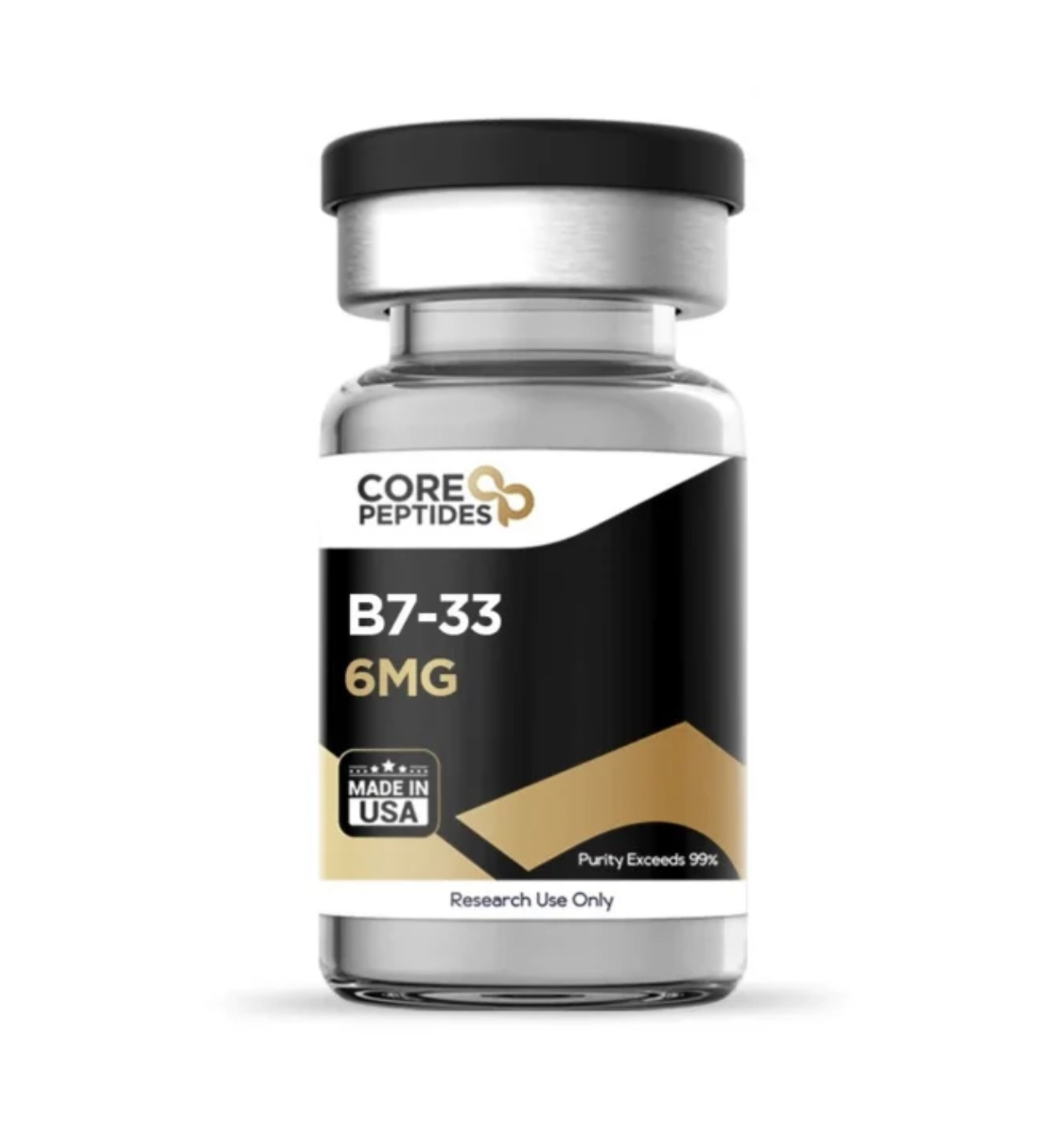

B7-33 (6mg)
$60.00
B7-33 6 mg provides a high-purity, laboratory-verified lyophilized peptide manufactured under strict quality control standards in the USA. Formulated with 6 mg of pure B7-33—a single-chain synthetic peptide functional analog of human gene-2 relaxin (H2 relaxin)—this compound is widely utilized in cardiovascular, nephrology, and matrix biology research examining selective RXFP1 receptor signaling, extracellular matrix (ECM) remodeling, and anti-fibrotic signaling pathways without inducing tumor growth pathways.
Key Specifications
Active Compound: B7-33 (Relaxin-2 Receptor Agonist)
Chemical Formula: \text{C}_{136}\text{H}_{210}\text{N}_{40}\text{O}_{41}
Concentration: 6 mg per vial
Purity Standard: Exceeds 99% (Third-Party HPLC Verified)
Formulation: Sterile Lyophilized Powder
Origin: Manufactured in USA
Classification: Research Use Only
Primary Research Applications
Targeted Anti-Fibrotic Activity: B7-33 acts through the RXFP1 receptor to upregulate matrix metalloproteinases (MMPs) and suppress excessive collagen deposition, providing a targeted model for reversal of organ fibrosis.
Cardiovascular & Renal Remodeling: Extensively evaluated in preclinical models of heart failure, renal scarring, and vascular stiffness to assess hemodynamic regulation and arterial compliance enhancement.
Biasing RXFP1 Receptor Signaling: Investigated for its ability to preferentially stimulate pERK signaling over cAMP accumulation, preventing unwanted inotropic or proliferative side effects associated with full-length native relaxin.
B7-33 Peptide
H2-relaxin is a naturally occurring, endogenous protein compound, which was synthetically mimicked and named the “B7-33” peptide. The H2-relaxin protein class comprises relaxin, H3-relaxin, insulin-like peptide-3, and insulin-like peptide-5. All these proteins have been suggested to exhibit a variety of biological actions, including possibly affecting genetic functions and the reproductive, musculoskeletal, and cardiovascular systems.(2) Considered structurally similar to H2-relaxin, the synthetic equivalent B7-33 may possess anti-fibrotic potential.
There are four different receptors that these naturally produced relaxin proteins are speculated to bind with, namely RXFP-1, RXFP-2, RXFP-3, and RXFP-4. Each receptor has a different action, as outlined below:(2)
- RXFP-1 receptor is suggested to influence sperm motility
- RXFP-2 receptor appears to impact testicular development
- RXFP-3 receptor may play a role in circadian rhythm and sleep cycle regulation
- RXFP-4 receptor has shown indications of affecting hunger hormone signaling cycles
Due to the variety of receptors involved and a wide range of biological impact, extensive research has been conducted on the relaxin protein and its analogs, such as the B7-33 peptide, to fully understand their potential.
Overview
B7-33 is a singular chain peptide, a smaller analogous derivative of the endogenous relaxin protein.(3)Typically, the relaxin peptide comprises four components – a signal peptide, B chain, C chain, and COOH terminal. Several studies were conducted initially to replicate these peptide structures, however the researchers reported that results indicated it being highly insoluble and inactive. After extensive subsequent research, scientists modified the structure by producing a B chain and elongating the COOH terminal, thereby forming the first-ever soluble analog – B7-33 peptide – in 2016.(3)
Besides the structural difference, the peptide has other variations from the endogenous protein. B7-33 peptide has been suggested to act via the pERK pathway instead of the cAMP pathway. The pERK pathway is a signaling route within cells that may affect cell function, often related to cell growth and survival. In contrast, the cAMP pathway involves different cellular activities primarily related to energy balance and metabolism. H2-relaxin has been suggested to produce antifibrotic potential via the cAMP pathway, which may stimulate tumor formation.(1) Furthermore, the peptide may have a strong affinity towards the RXFP-1 receptors. The peptide appears to bind with these RXFP-1 receptors, stimulating the pERK pathway, which then may lead to increased synthesis of MMP-2 matrix metalloproteinase chemicals. MMP-2 is an enzyme that breaks down proteins and plays a crucial role in tissue remodeling and repair. These chemicals then possibly inhibit the scarring of tissues, thereby preventing fibrosis.(1) Fibrosis is considered the formation of excess fibrous connective tissue in an organ or tissue in a reparative or reactive process, which is associated with a loss of function.
Chemical Makeup
Molecular Formula:C131H228N40O37S
Molecular Weight:2987,75 g/mol
Other Known Titles: (B7-33)H2, GTPL9321
Research and Clinical Studies
B7-33 Peptide and Vasoprotection
This 2017 study(4) was conducted on male Wistar murine models where their tails were presented with a control compound (which was sodium acetate), H2 relaxin, or B7-33 peptide. After three hours, these mice were examined for their vascular functions, mainly in the mesenteric artery, renal artery, and abdominal aorta. While the results were not as promising in the renal artery and abdominal aorta, B7-33 and H2 relaxin exhibited potential vasodilatory properties in the mesenteric artery. Thus, the results suggest that both B7-33 and serelaxin may preferentially augment bradykinin-induced endothelium-dependent relaxation, particularly emphasizing the mesenteric artery in rats. This augmentation appears to be linked to enhanced endothelium-derived hyperpolarization.
To understand better, the researchers reported an additional study(4) carried out in female murine models experimentally induced with endothelial dysfunction. These mice were then either given B7-33 or H2 relaxin. Following the study, the researchers suggested that both compounds may have helped combat and prevent the further spread of endothelial dysfunction in mice. These results suggest that B7-33 has the potential to replicate the vasoprotective action of H2 relaxin and thereby protect blood vessels from further damage.
B7-33 Peptide and Preeclampsia
Preeclampsia is a pregnancy ailment characterized by increased hypertension in mothers and decreased fetal weight. This clinical study(5) was conducted to understand the potential of B7-33 peptide in pregnant females with preeclampsia. A cell culture of cytotrophoblasts (CTBs) was used. Cytotrophoblasts are the cells found in the inner cellular layer of the embryo. These cells were given either control compound, a marinobufagenin steroid, or glucose for two days. Following this preparation, some of these cells were given either a relaxin antagonist, or the B7-33 compound. Upon examination, the cells given B7-33 peptide appeared to exhibit an upregulation of the vascular endothelial growth factor, VEGF. Cells that were given relaxin antagonists exhibited apparent reduced VEGF concentration. VEGF is thought to stimulate the proliferation and migration of endothelial cells, which line the interior surfaces of blood vessels. By potentially enhancing these processes, VEGF may play a vital role in forming new vascular structures, essential for supplying tissues with oxygen and nutrients, especially during rapid growth or healing periods. VEGF’s actions are primarily mediated through two tyrosine kinase receptors, VEGFR-1 and VEGFR-2, located on the surface of endothelial cells. The binding of VEGF to these receptors is thought to trigger a cascade of signaling pathways that could lead to endothelial cell proliferation, migration, and survival.
B7-33 Peptide and Anti-Fibrosis
Studies(6)(7) have suggested that when presented with a fully extended strain of H2 relaxin protein, it may induce an increased heart rate and possibly stimulate the spread of carcinogenic cells. This is mainly attributed to its mechanism as it appears to activate the cAMP pathway. Hence, researchers are looking for a derivative that might produce the exact biological action of anti-fibrosis without cAMP activation. When the peptide was exposed in mice with myocardial infarction, it was reported to result in almost 50% reduction in cardiac tissue fibrosis.
Furthermore, a study(1) was also conducted in mice with prostate diseases. These mice were presented with two different concentrations of B7-33 peptide. At both concentrations, the results were the same, and researchers suggested that the compound might contribute to the development of fibrosis without promoting the spread of prostate tumors. This suggested that the peptide may have the potential to act via the pERK pathway and not via cAMP activation. The designation “pERK” refers to the phosphorylated state of extracellular signal-regulated kinase (ERK), indicating its activated status. It is hypothesized that the activation pathway initiates when a growth factor interacts with its corresponding receptor on the cellular surface, potentially activating the receptor’s intrinsic kinase capabilities. This interaction is believed to initiate a sequence of phosphorylation events, transmitting the signal through a network of intermediary proteins, such as RAF and MEK (MAPK/ERK kinase). This sequence is thought to ultimately result in the phosphorylation and subsequent activation of ERK. Following activation, it is suggested that ERK translocates to the nucleus where it may phosphorylate various transcription factors, potentially leading to changes in gene expression that might influence cellular processes, including division and differentiation.
B7-33 Peptide as a Coating Material
In one animal study(8), a peptide-coated device was implanted in murine models. The researchers were curious to see if the peptide might counteract possible fibrotic actions in the mice. As a result of this peptide release from the device coating, the reduction in device thickness (by fibrosis) was reported to be decreased by 49.2% over the 6-week duration of the study.


Related products
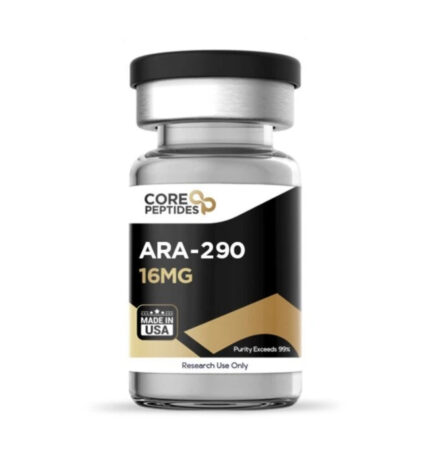
ARA-290 Peptide (16mg)
ARA-290 16 mg provides a high-purity, laboratory-verified lyophilized peptide manufactured under strict quality control standards in the USA. Formulated with 16 mg of pure ARA-290 (Cibinetide; Pyroglu-Glu-Gln-Glu-Arg-Glu-Arg-Ala-Glu-Ala-Lys-Glu)—a 11-amino-acid synthetic peptide derived from the erythropoietin (EPO) structure—this compound selectively targets the Innate Repair Receptor (IRR) without stimulating erythropoiesis. It is widely utilized in neurology, immunology, and tissue regeneration research investigating neuropathic pain attenuation, small nerve fiber regeneration, and inflammatory cytokine suppression.
Key Specifications
Active Compound: ARA-290 (Cibinetide / Pyroglutamate Helix B Surface Peptide)
Chemical Formula: \text{C}_{51}\text{H}_{84}\text{N}_{16}\text{O}_{21}
Concentration: 16 mg per vial
Purity Standard: Exceeds 99% (Third-Party HPLC Verified)
Formulation: Sterile Lyophilized Powder
Origin: Manufactured in USA
Classification: Research Use Only
Primary Research Applications
Selective Innate Repair Receptor (IRR) Activation: ARA-290 selectively binds the erythropoietin receptor / \beta-common receptor (\text{EPOR/}\beta\text{cR}) heterodimer to initiate anti-inflammatory and tissue-protective signaling without increasing red blood cell count or hematocrit levels.
Small Fiber Neuropathy & Peripheral Nerve Repair: Extensively studied in neuropathic disease models for its ability to promote small nerve fiber density restoration, repair damaged peripheral axons, and relieve neuropathic pain signaling.
Anti-Inflammatory & Ischemic Protection: Investigated for its inhibitory effects on pro-inflammatory cytokine cascades (\text{TNF-}\alpha, \text{IL-6}) and its protective role against ischemia-reperfusion injury in cardiovascular and metabolic tissue models.
DSIP (5mg)
DSIP 5 mg provides a high-purity, laboratory-verified lyophilized peptide manufactured under strict quality control standards in the USA. Formulated with 5 mg of pure Delta Sleep-Inducing Peptide (Trp-Ala-Gly-Gly-Asp-Ala-Ser-Gly-Glu)—a naturally occurring nonapeptide found in the brain and systemic circulation—this compound is widely utilized in neurobiology, endocrinology, and sleep architecture research investigating slow-wave sleep induction, stress response adaptation, and neuroendocrine regulation.
Key Specifications
Active Compound: Delta Sleep-Inducing Peptide (DSIP)
Chemical Formula: \text{C}_{35}\text{H}_{48}\text{N}_{10}\text{O}_{15}
Concentration: 5 mg per vial
Purity Standard: Exceeds 99% (Third-Party HPLC Verified)
Formulation: Sterile Lyophilized Powder
Origin: Manufactured in USA
Classification: Research Use Only
Primary Research Applications
Sleep Architecture & Delta Wave Induction: DSIP is extensively studied for its capacity to induce slow-wave (delta) EEG activity, providing valuable insights into non-REM sleep regulation and circadian rhythm dynamics.
Stress Response & ACTH Modulation: Applied in neuroendocrine models to evaluate its inhibitory action on stress-induced corticotropin (ACTH) release and adrenal axis stabilization.
Analgesic & Antioxidant Activity: Investigated for its potential neuromodulatory mechanisms in modulating central pain perception and protecting cellular structures against oxidative damage.
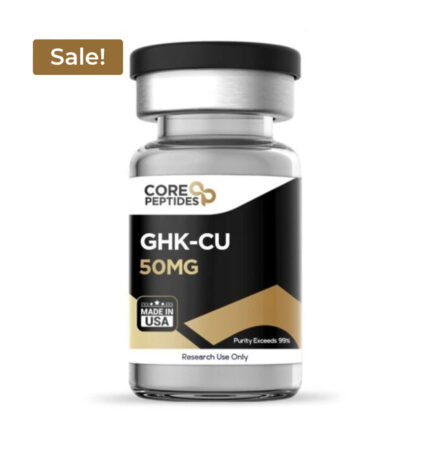
GHK-Cu (Copper) (50mg)
GHK-Cu (50mg) is a premium copper-binding tripeptide engineered to support advanced tissue repair, collagen synthesis, and cellular regeneration. Naturally present in human plasma, GHK-Cu levels decline with age. This potent peptide actively stimulates collagen and elastin production, accelerates wound healing, reduces fine lines, and promotes skin firmness and hair follicle restoration. Ideal for anti-aging and regenerative research applications.
Key Benefits: Boosts collagen & elastin, aids tissue remodeling, enhances skin barrier health, supports hair density.
Format: 50mg lyophilized powder (purity ≥99%).
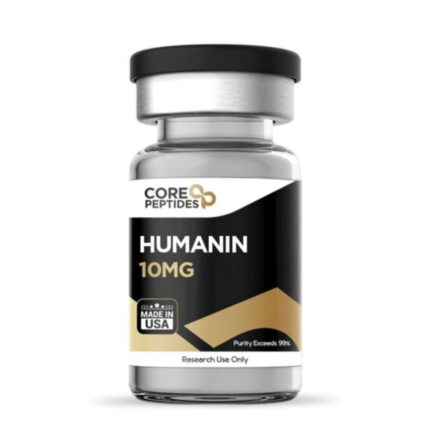
Humanin (10mg)
Humanin 10 mg provides a high-purity, laboratory-verified lyophilized peptide manufactured under strict quality control standards in the USA. Formulated with 10 mg of pure Humanin—a naturally occurring 24-amino-acid micropeptide encoded within the mitochondrial genome (16S rRNA)—this compound is widely utilized in cellular biology, metabolic health, and neurodegenerative disease research investigating cytoprotective mechanisms, oxidative stress regulation, and insulin sensitivity pathways.
Key Specifications
Active Compound: Humanin (HN)
Chemical Formula: \text{C}_{119}\text{H}_{204}\text{N}_{34}\text{O}_{35}\text{S}_{2}
Concentration: 10 mg per vial
Purity Standard: Exceeds 99% (Third-Party HPLC Verified)
Formulation: Sterile Lyophilized Powder
Origin: Manufactured in USA
Classification: Research Use Only
Primary Research Applications
Cytoprotection & Anti-Apoptotic Pathways: Humanin is studied for its ability to suppress Bax-mediated apoptosis, protecting various cell lines against programmed cell death triggered by toxic insults.
Neuroprotective Dynamics: Extensively evaluated in Alzheimer’s disease and neurodegenerative models to analyze its role in mitigating amyloid-beta (A\beta) cytotoxicity and preserving neuronal function.
Mitochondrial & Metabolic Homeostasis: Investigated for its regulatory actions on insulin sensitivity, glucose metabolism, and cellular homeostasis under conditions of metabolic stress.
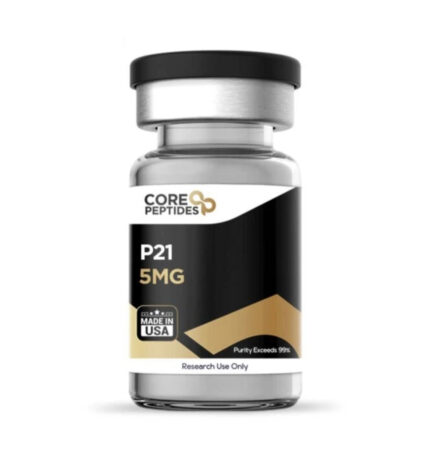
P21 Peptide (5mg)
P21 5 mg provides a high-purity, laboratory-verified lyophilized peptide manufactured under strict quality control standards in the USA. Formulated with 5 mg of pure P21—a synthetic peptide mimetic derived from ciliary neurotrophic factor (CNTF)—this compound is widely utilized in neurobiology, cognitive science, and neurodegenerative disease research examining neurogenesis, synaptic plasticity, BDNF signaling, and cognitive enhancement mechanisms.
Key Specifications
Active Compound: P21 Peptide (CNTF-derived synthetic peptide)
Chemical Formula: \text{C}_{30}\text{H}_{55}\text{N}_{9}\text{O}_{9}
Concentration: 5 mg per vial
Purity Standard: Exceeds 99% (Third-Party HPLC Verified)
Formulation: Sterile Lyophilized Powder
Origin: Manufactured in USA
Classification: Research Use Only
Primary Research Applications
Neurogenesis & Synaptogenesis: P21 is evaluated for its ability to promote neural progenitor cell proliferation and maturation in the dentate gyrus of the hippocampus, supporting research into structural brain plasticity.
Neurotrophic Factor Expression: Extensively studied for enhancing endogenous brain-derived neurotrophic factor (BDNF) and nerve growth factor (NGF) signaling pathways without inducing CNTF-receptor autoantibodies.
Cognitive Enhancement & Neuroprotection: Investigated in animal models of cognitive impairment, Alzheimer's disease, and traumatic brain injury to analyze memory retention recovery and synaptic density preservation.
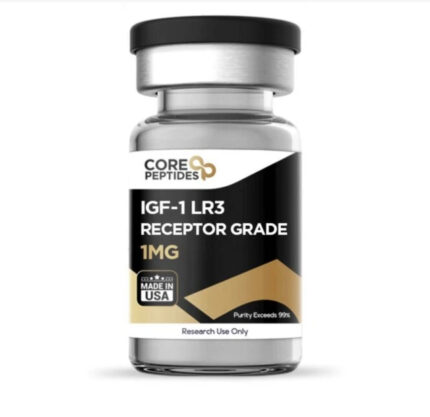
Receptor Grade IGF-1 LR3 (1mg)
IGF-1 LR3 Receptor Grade 1 mg provides a high-purity, laboratory-verified lyophilized recombinant peptide manufactured under strict quality control standards in the USA. Formulated with 1 mg of pure Long \text{R}^3 Insulin-like Growth Factor-1, this modified analog features an arginine substitution at position 3 and a 13-amino-acid N-terminal extension. Specifically designated as receptor grade, this compound exhibits significantly reduced binding affinity for IGF binding proteins (IGFBPs), allowing researchers to study prolonged, uninhibited receptor-ligand interactions and cellular proliferation dynamics.
Key Specifications
Active Compound: IGF-1 LR3 (Long Arginine 3 IGF-1)
Grade: Receptor Grade
Concentration: 1 mg per vial
Purity Standard: Exceeds 99% (Third-Party HPLC Verified)
Formulation: Sterile Lyophilized Powder
Origin: Manufactured in USA
Classification: Research Use Only
Primary Research Applications
IGFBP Resistance & Extended Half-Life: The structural modification drastically lowers binding to IGF-binding proteins, enabling researchers to observe sustained activation of the IGF-1 receptor (IGF-1R) without rapid metabolic inactivation.
Cellular Proliferation & Protein Synthesis: Widely applied in vitro to study MAPK/ERK and PI3K/Akt/mTOR signaling pathways involved in cell growth, myogenesis, and nutrient transport regulation.
Hyperplasia & Tissue Culture Assays: Utilized in research models measuring satellite cell activation, skeletal muscle fiber recruitment, and metabolic shift mechanics.
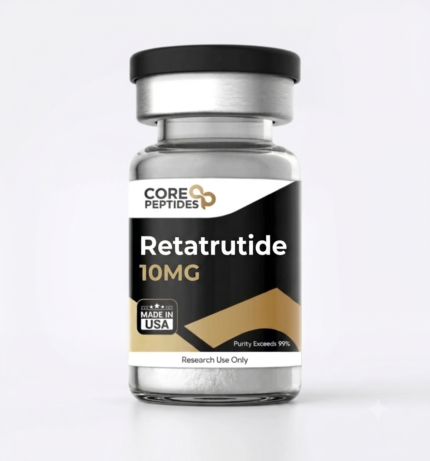
Retatrutide (10mg)
Retatrutide (10mg) is a multi-target triple agonist peptide engineered to hit GLP-1, GIP, and glucagon receptors. Designed to evaluate advanced weight loss and metabolic regulation, it delivers greater energy expenditure and appetite control in preclinical studies. High-purity lyophilized powder for laboratory research.
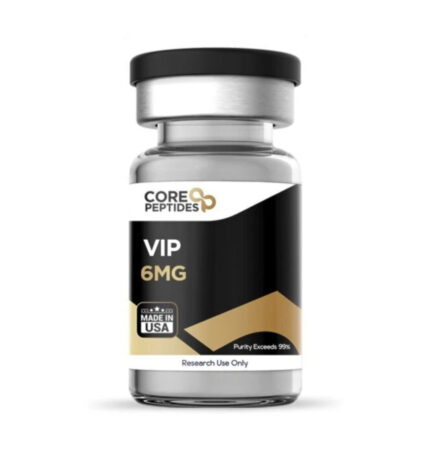
VIP Peptide (6mg)
VIP Peptide 6 mg provides a high-purity, laboratory-verified lyophilized peptide manufactured under strict quality control standards in the USA. Formulated with 6 mg of pure Vasoactive Intestinal Peptide (VIP)—a naturally occurring 28-amino-acid neuropeptide belonging to the secretin/glucagon superfamily—this compound is widely utilized in immunology, neurobiology, gastroenterology, and cardiovascular research examining immunomodulatory cascades, smooth muscle relaxation, and suprachiasmatic nucleus circadian clock synchronization.
Key Specifications
Active Compound: Vasoactive Intestinal Peptide (VIP)
Chemical Formula: \text{C}_{147}\text{H}_{238}\text{N}_{44}\text{O}_{42}\text{S}
Concentration: 6 mg per vial
Purity Standard: Exceeds 99% (Third-Party HPLC Verified)
Formulation: Sterile Lyophilized Powder
Origin: Manufactured in USA
Classification: Research Use Only
Primary Research Applications
Immunomodulation & Anti-Inflammatory Pathways: VIP acts via VPAC1 and VPAC2 receptors to inhibit pro-inflammatory cytokines (TNF-\alpha, IL-6, IL-12) while upregulating anti-inflammatory pathways (IL-10), making it a benchmark subject in autoimmune and chronic inflammatory signaling research.
Vascular & Pulmonary Smooth Muscle Regulation: Evaluated in cardiovascular and respiratory models for its potent vasodilatory properties, pulmonary arterial pressure regulation, and airway bronchodilator mechanisms.
Circadian Rhythm & Neuroendocrine Signaling: Extensively studied in suprachiasmatic nucleus (SCN) neuronal models to analyze central biological clock entrainment, neuropeptide release dynamics, and intestinal mucosal signaling.
Reviews
There are no reviews yet.