





















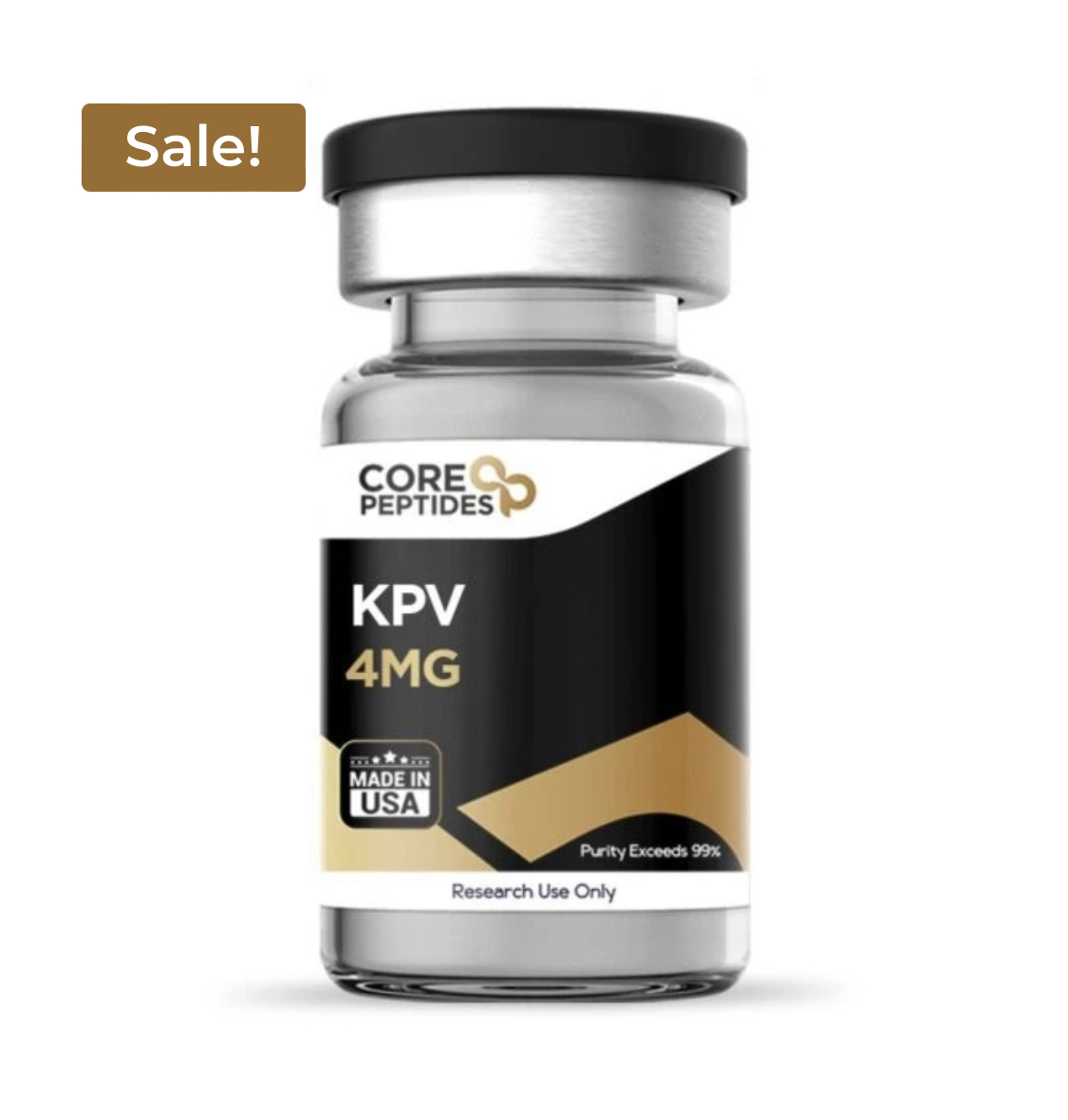
KPV Peptide (4mg)
$40.00
KPV Peptide 4 mg provides a high-purity, laboratory-verified lyophilized peptide manufactured under strict quality control standards in the USA. Formulated with 4 mg of pure KPV (Lysine-Proline-Valine)—the C-terminal tripeptide fragment of alpha-melanocyte-stimulating hormone (\alpha\text{-MSH})—this compound is widely utilized in gastroenterology, immunology, and dermatology research investigating inflammatory bowel disease (IBD) suppression, antimicrobial signaling, and NF-\kappa\text{B} pathway downregulation.
Key Specifications
Active Compound: KPV (Lysine-Proline-Valine / \alpha\text{-MSH}_{11-13})
Chemical Formula: \text{C}_{16}\text{H}_{30}\text{N}_{4}\text{O}_{4}
Concentration: 4 mg per vial
Purity Standard: Exceeds 99% (Third-Party HPLC Verified)
Formulation: Sterile Lyophilized Powder
Origin: Manufactured in USA
Classification: Research Use Only
Primary Research Applications
Gastrointestinal Anti-Inflammatory Modulation: KPV is extensively studied in intestinal inflammation models for its ability to penetrate mucosal epithelial cells and inhibit nuclear factor kappa B (NF-\kappa\text{B}) translocation, reducing colonic tissue damage.
Antimicrobial & Anti-Fungal Activity: Evaluated in cellular microbiology models for direct antimicrobial properties against pathogen strains, including Candida albicans and Staphylococcus aureus.
Dermatological & Tissue Repair: Investigated in wound healing and inflammatory skin condition models to suppress pro-inflammatory cytokine expression (\text{IL-6}, \text{TNF-}\alpha) without inducing melanogenesis.
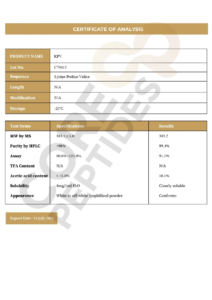
KPV Peptide
Alpha melanocyte-stimulating hormone (a-MSH) is also classified as a melanotropin. a-MSH is an endogenous peptide hormone, composed of 13 amino acids, and considered to play a role in metabolic function, as well as other biological processes. Scientists isolated a fragment of this protein hormone and identified its potential biological action, naming it KPV peptide. KPV comprises three amino acids: Lysine, Proline, and Valine.(1) This peptide is a C-terminal fragment of the a-MSH protein hormone, which is considered the primary amino acid sequence in the hormone responsible for its properties.(2)
A study(2) was published in 1989 explaining how the tripeptide was isolated and its biological potential determined. Upon discovering that the COOH terminal peptide in the a-MSH hormone is the primary amino acid messenger sequence, scientists conducted preliminary research to determine if KPV might prevent an excessive increase in vasopermeability and excessive swelling of blood vessels. As a part of the study, scientists isolated the KPV peptide and presented it to experimental mice to determine its potential to mitigate swelling in their ears. After the completion of the study, the researchers reported that the isolated fragment appeared to have inhibited the swelling. KPV’s potential anti-inflammatory action may be induced by inactivating the inflammatory pathways.(3) It may also possibly inhibit the synthesis and release of the pro-inflammatory cytokine cells in intestinal and immune cells.
Chemical Makeup
Molecular Formula: C16H30N4O4
Molecular Weight: 342.43 g/mol
Other Known Titles: MSH (11-13), ACTH(11-13), alpha-MSH(11-13)
Research and Clinical Studies
KPV Peptide and Intestinal Protection
A study(4) was conducted on murine models to determine the peptide’s potential on intestinal inflammation. The experiment was conducted on mice induced with bowel dysfunction. These mice were divided into two groups: one group was given the peptide, and the other was given the placebo. After the study, researchers reported that the peptide mice exhibited reduced inflammatory cells and anti-enzymatic symptoms.
Another study(4) was conducted on a murine model of inflamed intestines, which involved the exposure of a chemical-induced compound of KPV and a chemical called hyaluronic acid. This chemical-induced KPV compound was given to the mice, with the added hyaluronic acid supplementation, intended to aid targeted delivery of the peptide to specific locations in the intestine. The results observed mitigated swelling in the intestine.
KPV Peptide and Intestinal Cells
One study(5) was conducted on a cell culture of inflamed intestinal cells. The main purpose of this study was to determine the peptide’s potential against inflammation. Inflamed intestinal cells were isolated and exposed to either the KPV peptide or a placebo. Upon exposure to the peptide, these cells were examined, and results indicated that even nanomolar concentrations of the peptide appeared to have led to anti-inflammatory results. The researchers suggested that the KPV peptide appeared to mainly act via PepT1 expression in these intestinal cells, suggesting that PepT1 may play a role in transporting the peptide to the site of inflammation.
Another study delved into the potential of KPV in addressing ulcerative inflammation of the colonic mucosa cells.(6) The researchers hypothesized that KPV might mitigate inflammatory responses within colonic cells, by accelerating mucosal healing and alleviating inflammation of the colonic mucosa. The action mechanism was suggested to involve the targeted delivery of KPV to inflamed colonic tissues, where it may exert anti-inflammatory potential. The researchers found that KPV may have exhibited a capacity to protect mucosal surfaces and downregulate TNF-α, a key marker of inflammation.
Further trials in two murine models of intestinal inflammation suggest that KPV may have led to significant improvements, including earlier recovery, significant regain of body weight, and a reduction in inflammatory infiltrates, in the colonic tissue.(7) These outcomes were further supported by a notable decrease in myeloperoxidase (MPO) activity, indicating reduced neutrophil accumulation and inflammation in colonic tissue following KPV exposure. Moreover, the study explored whether KPV’s anti-inflammatory actions may have been linked to the melanocortin-1 receptor (MC1R), suggesting that the action of KPV might at least be partially independent of MC1R signaling.
One 1984 study aimed to evaluate the potential antipyretic action of the peptide,(8) wherein rabbits were given KPV peptide to examine its potential action on the nervous system. Following the study, researchers suggested that the peptide exhibited antipyretic potential, reducing the rabbits’ body temperature to optimal levels.
KPV Peptide and Inflammation Studies
A comparative study analysis(9) was conducted to examine the potential of a-MSH and KPV on the swelling (inflammation) of organs. An experiment was conducted on the mice with swollen ears due to skin rashes and dermatitis. The mice were divided into two groups – one was given an irritant (to induce ear swelling) and then exposed to the peptide, and the other with the irritant and the a-MSH molecule. After 24 hours, both groups exhibited apparently equal improvement in reducing ear swelling. After 2 weeks, researchers ceased exposure to both compounds, and only the irritant was given, with the results observing that the a-MSH mice appeared to continue to show reduced swelling compared to the other group.
KPV Peptide and Wound Healing
Wound healing is a complex biological process comprised of three general phases: inflammation, proliferation, and remodeling of the skin, tissue, or cells. This process is characterized by different types of cells and concentrations of cytokines in the wounded area. Though every wound and associated cells affected by the wound may differ, most cells possess a melanocortin 1 receptor (MC1R) receptor. This receptor is where the a-MSH hormone binds, and researchers suggest that a-MSH hormone analogs, such as KPV peptide, may also bind to these receptors.(10)
Another study explored the potential of KPV in enhancing corneal epithelial wound healing with a particular focus on the possible involvement of nitric oxide (NO) in these actions. Following mechanical abrasion to damage the corneal epithelium, the tissue was exposed to variable concentrations of the KPV peptide. The progress of epithelial wound healing was meticulously tracked and analyzed through computerized software, comparing the mean area of the epithelial defect among experimental groups at multiple time intervals. The findings suggested a potential acceleration in the healing process in corneal tissues compared to placebo. Specifically, within 60 hours, all corneas exposed to KPV appeared to have complete re-epithelialization, a stark contrast to the placebo group, where none of the corneas appeared to have achieved full healing.
This accelerated healing effect was apparently hindered by pre-treatment with the nitric oxide synthase inhibitor, Nω-nitro-l-arginine methyl ester (l-NAME), suggesting that the facilitating impact of KPV on corneal epithelial wound healing might be linked to NO activity within the corneal tissue. Further in vitro experiments with corneal epithelial cells (RCE) exposed to different concentrations of KPV reportedly exhibited a stimulation of cell viability at 1 and 10 μM concentrations. These results suggest that KPV may not only accelerate corneal epithelial wound healing but also might stimulate cell viability, hinting at a broader reparative role that may involve NO dynamics.(11)
KPV Peptide and Scar Formation
A study(12) was conducted to further understand the potential of KPV peptide in scar recovery. The experiment was conducted in murine models, half of the group of young mice were exposed to KPV, and the other served as a control group. Half an hour after exposure, these mice underwent two surgical 6.5 mm wide incisions in their dorsal skin under anesthesia. The wound healing and scar formation were analyzed on days 3, 7, 40, and 60. On days 3 and 7, researchers observed that the peptide mice appeared to show improved healing on the skin, possibly due to reduced levels of inflammatory cells such as leukocytes and mast cells. On days 40 and 60, it was observed that the peptide mice exhibited a lesser scar area than the control group.
References:
- Dalmasso, G., Charrier-Hisamuddin, L., Nguyen, H. T., Yan, Y., Sitaraman, S., & Merlin, D. (2008). PepT1-mediated tripeptide KPV uptake reduces intestinal inflammation. Gastroenterology, 134(1), 166–178. https://doi.org/10.1053/j.gastro.2007.10.026
- Hiltz ME, Lipton JM. Antiinflammatory activity of a COOH-terminal fragment of the neuropeptide alpha-MSH. FASEB J. 1989 Sep;3(11):2282-4. https://pubmed.ncbi.nlm.nih.gov/2550304/


Related products
ACE-031 Peptide (1mg)
ACE-031 1 mg is a research-grade lyophilized protein peptide engineered for high-purity laboratory applications. Each vial contains 1 mg of HPLC-verified ACE-031, third-party tested to guarantee over 99% purity and manufactured in the USA under strict standards. Formulated specifically for research investigating myostatin signal neutralization, ActRIIB decoy receptor binding, and muscle growth regulation pathways, this product is strictly intended for research use only.
AICAR Peptide (50mg)
AICAR 50 mg provides a high-purity, laboratory-verified lyophilized compound manufactured under strict quality control standards in the USA. Formulated with 50 mg of pure AICAR (5-Aminoimidazole-4-carboxamide ribonucleotide) per vial, this synthetic adenosine analog is widely utilized in cellular, metabolic, and exercise physiology research investigating AMP-activated protein kinase (AMPK) activation, cellular energy homeostasis, and mitochondrial biogenesis pathways.
Key Specifications
Active Compound: AICAR (Acadesine / AICA Riboside)
Chemical Formula: \text{C}_{9}\text{H}_{15}\text{N}_{4}\text{O}_{8}\text{P}
Concentration: 50 mg per vial
Purity Standard: Exceeds 99% (Third-Party HPLC Verified)
Formulation: Sterile Lyophilized Powder
Origin: Manufactured in USA
Classification: Research Use Only
Primary Research Applications
AMP-Activated Protein Kinase (AMPK) Activation: AICAR is intracellularly phosphorylated into ZMP, an AMP mimic that directly activates AMPK without altering cellular ATP/ADP ratios, facilitating targeted metabolic research.
Mitochondrial Biogenesis & Endurance Pathways: Applied in cell cultures to analyze upregulated PGC-1$\alpha$ signaling, glucose uptake enhancement, and lipid oxidation mechanisms.
Ischemic & Cellular Energy Homeostasis Studies: Extensively investigated in cardiac and skeletal muscle models measuring metabolic adaptation, cellular stress response, and insulin sensitivity.
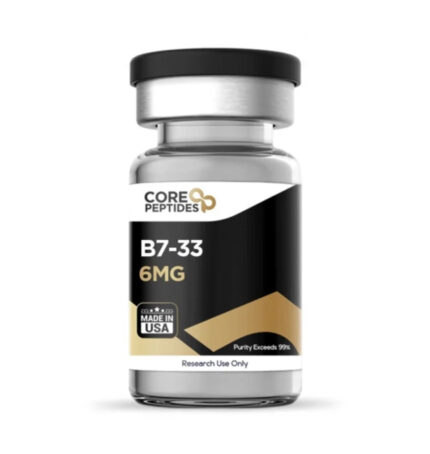
B7-33 (6mg)
B7-33 6 mg provides a high-purity, laboratory-verified lyophilized peptide manufactured under strict quality control standards in the USA. Formulated with 6 mg of pure B7-33—a single-chain synthetic peptide functional analog of human gene-2 relaxin (H2 relaxin)—this compound is widely utilized in cardiovascular, nephrology, and matrix biology research examining selective RXFP1 receptor signaling, extracellular matrix (ECM) remodeling, and anti-fibrotic signaling pathways without inducing tumor growth pathways.
Key Specifications
Active Compound: B7-33 (Relaxin-2 Receptor Agonist)
Chemical Formula: \text{C}_{136}\text{H}_{210}\text{N}_{40}\text{O}_{41}
Concentration: 6 mg per vial
Purity Standard: Exceeds 99% (Third-Party HPLC Verified)
Formulation: Sterile Lyophilized Powder
Origin: Manufactured in USA
Classification: Research Use Only
Primary Research Applications
Targeted Anti-Fibrotic Activity: B7-33 acts through the RXFP1 receptor to upregulate matrix metalloproteinases (MMPs) and suppress excessive collagen deposition, providing a targeted model for reversal of organ fibrosis.
Cardiovascular & Renal Remodeling: Extensively evaluated in preclinical models of heart failure, renal scarring, and vascular stiffness to assess hemodynamic regulation and arterial compliance enhancement.
Biasing RXFP1 Receptor Signaling: Investigated for its ability to preferentially stimulate pERK signaling over cAMP accumulation, preventing unwanted inotropic or proliferative side effects associated with full-length native relaxin.
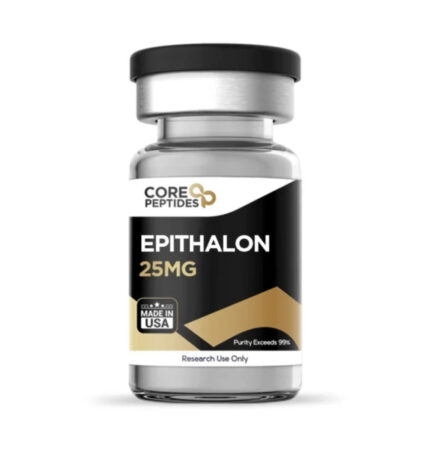
Epithalon (25mg)
Epithalon 25 mg is a research-grade lyophilized tetrapeptide engineered for high-purity laboratory applications. Each vial contains 25 mg of HPLC-verified Epithalon, third-party tested to guarantee over 99% purity and manufactured in the USA under strict standards. Formulated specifically for research investigating telomerase enzyme induction, pineal function restoration, and cellular longevity pathways, this product is strictly intended for research use only.
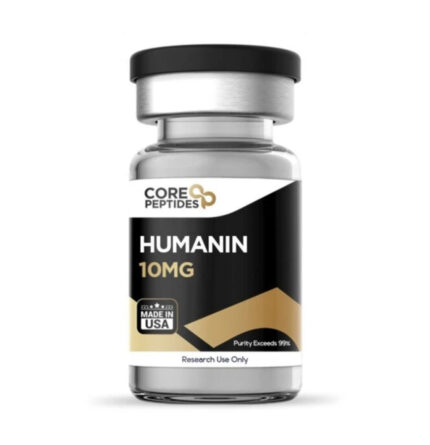
Humanin (10mg)
Humanin 10 mg provides a high-purity, laboratory-verified lyophilized peptide manufactured under strict quality control standards in the USA. Formulated with 10 mg of pure Humanin—a naturally occurring 24-amino-acid micropeptide encoded within the mitochondrial genome (16S rRNA)—this compound is widely utilized in cellular biology, metabolic health, and neurodegenerative disease research investigating cytoprotective mechanisms, oxidative stress regulation, and insulin sensitivity pathways.
Key Specifications
Active Compound: Humanin (HN)
Chemical Formula: \text{C}_{119}\text{H}_{204}\text{N}_{34}\text{O}_{35}\text{S}_{2}
Concentration: 10 mg per vial
Purity Standard: Exceeds 99% (Third-Party HPLC Verified)
Formulation: Sterile Lyophilized Powder
Origin: Manufactured in USA
Classification: Research Use Only
Primary Research Applications
Cytoprotection & Anti-Apoptotic Pathways: Humanin is studied for its ability to suppress Bax-mediated apoptosis, protecting various cell lines against programmed cell death triggered by toxic insults.
Neuroprotective Dynamics: Extensively evaluated in Alzheimer’s disease and neurodegenerative models to analyze its role in mitigating amyloid-beta (A\beta) cytotoxicity and preserving neuronal function.
Mitochondrial & Metabolic Homeostasis: Investigated for its regulatory actions on insulin sensitivity, glucose metabolism, and cellular homeostasis under conditions of metabolic stress.
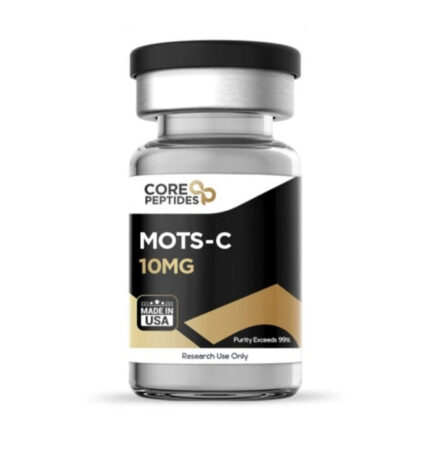
MOTS-C 10mg
Buy high-purity MOTS-c 10 mg lyophilized research peptide (≥99% purity). MOTS-c is a 16-amino acid mitochondrial-derived peptide that activates the AMPK pathway to regulate metabolic homeostasis, glucose utilization, and cellular stress resistance. Ideal for research in metabolic health, exercise adaptation, and longevity science. Fast shipping and lab-tested quality guaranteed.
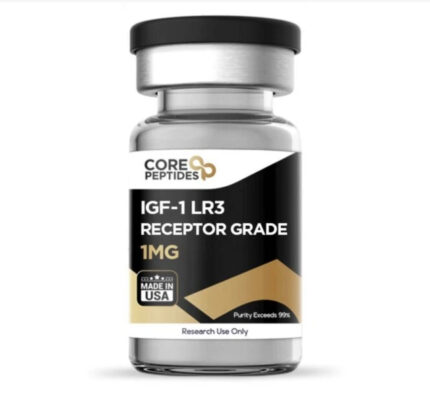
Receptor Grade IGF-1 LR3 (1mg)
IGF-1 LR3 Receptor Grade 1 mg provides a high-purity, laboratory-verified lyophilized recombinant peptide manufactured under strict quality control standards in the USA. Formulated with 1 mg of pure Long \text{R}^3 Insulin-like Growth Factor-1, this modified analog features an arginine substitution at position 3 and a 13-amino-acid N-terminal extension. Specifically designated as receptor grade, this compound exhibits significantly reduced binding affinity for IGF binding proteins (IGFBPs), allowing researchers to study prolonged, uninhibited receptor-ligand interactions and cellular proliferation dynamics.
Key Specifications
Active Compound: IGF-1 LR3 (Long Arginine 3 IGF-1)
Grade: Receptor Grade
Concentration: 1 mg per vial
Purity Standard: Exceeds 99% (Third-Party HPLC Verified)
Formulation: Sterile Lyophilized Powder
Origin: Manufactured in USA
Classification: Research Use Only
Primary Research Applications
IGFBP Resistance & Extended Half-Life: The structural modification drastically lowers binding to IGF-binding proteins, enabling researchers to observe sustained activation of the IGF-1 receptor (IGF-1R) without rapid metabolic inactivation.
Cellular Proliferation & Protein Synthesis: Widely applied in vitro to study MAPK/ERK and PI3K/Akt/mTOR signaling pathways involved in cell growth, myogenesis, and nutrient transport regulation.
Hyperplasia & Tissue Culture Assays: Utilized in research models measuring satellite cell activation, skeletal muscle fiber recruitment, and metabolic shift mechanics.
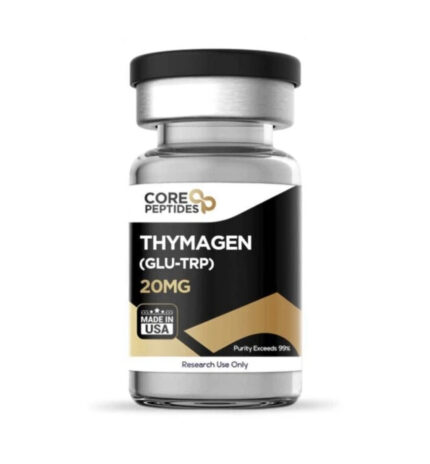
Thymagen Peptide (20mg)
Thymagen 20 mg provides a high-purity, laboratory-verified lyophilized peptide manufactured under strict quality control standards in the USA. Formulated with 20 mg of pure Thymagen—a synthetic dipeptide bioregulator consisting of L-glutamic acid and L-tryptophan (Glu-Trp)—this compound is widely utilized in immunology, molecular biology, and epigenetic research examining T-cell activation, chromatin structure modification, and immune system homeostasis regulation.
Key Specifications
Active Compound: Thymagen (L-Glutamyl-L-Tryptophan / Glu-Trp)
Chemical Formula: \text{C}_{16}\text{H}_{19}\text{N}_{3}\text{O}_{5}
Concentration: 20 mg per vial
Purity Standard: Exceeds 99% (Third-Party HPLC Verified)
Formulation: Sterile Lyophilized Powder
Origin: Manufactured in USA
Classification: Research Use Only
Primary Research Applications
Immune Response Modulation: Thymagen is extensively evaluated for its ability to regulate cellular immune activity, restore suppressed T-lymphocyte proliferation, and balance helper-to-suppressor T-cell ratios.
Epigenetic & Gene Expression Regulation: Studied in cell biology models for its capacity to interact with histone proteins and DNA sequences, influencing gene expression associated with protein synthesis and immune cell differentiation.
Tissue Regeneration & Stress Resistance: Investigated for its protective effects on hemopoiesis, resistance to oxidative injury, and systemic recovery mechanisms following toxic or infectious immune suppression.
Reviews
There are no reviews yet.