





















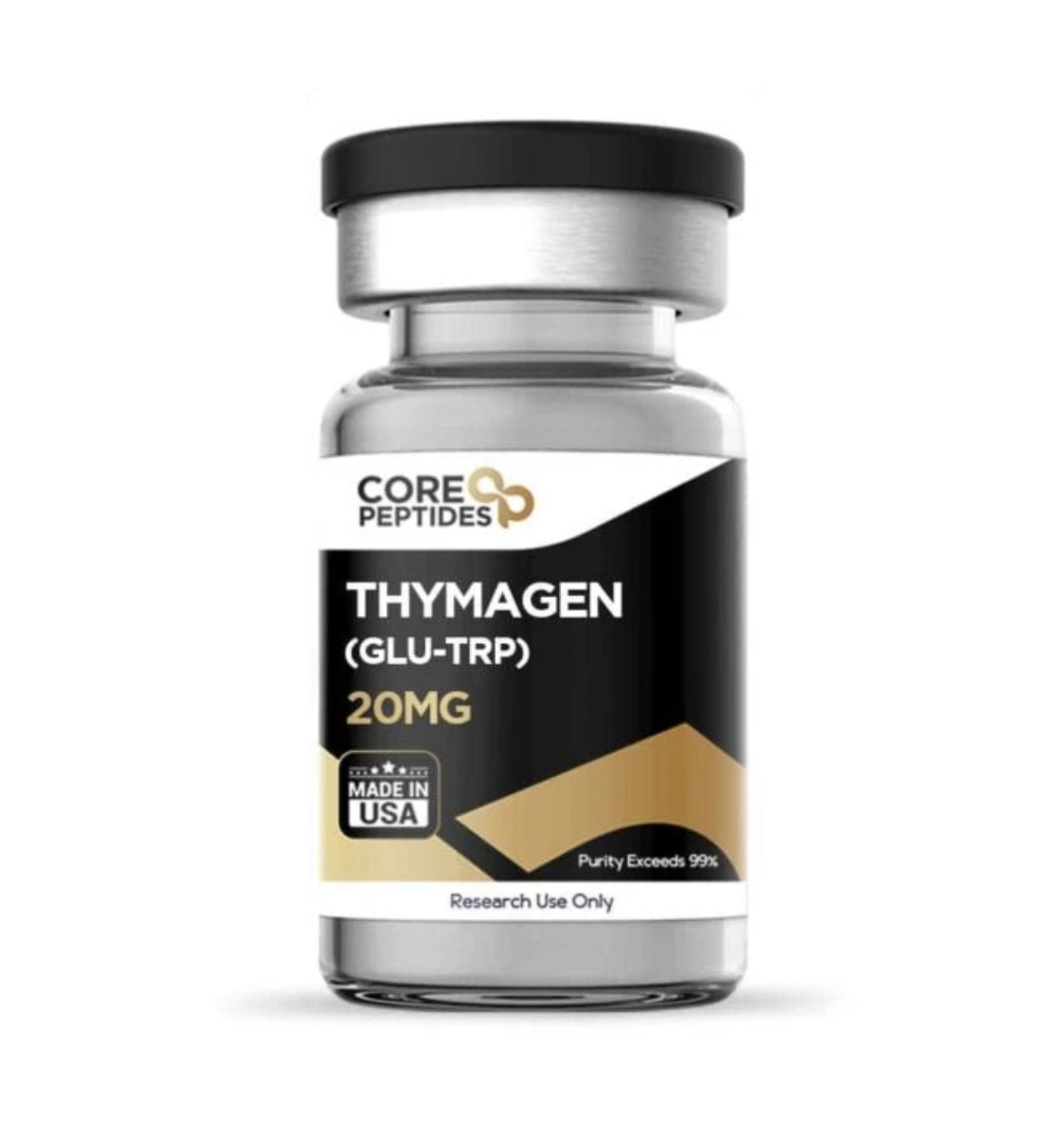
Thymagen Peptide (20mg)
$75.00
Thymagen 20 mg provides a high-purity, laboratory-verified lyophilized peptide manufactured under strict quality control standards in the USA. Formulated with 20 mg of pure Thymagen—a synthetic dipeptide bioregulator consisting of L-glutamic acid and L-tryptophan (Glu-Trp)—this compound is widely utilized in immunology, molecular biology, and epigenetic research examining T-cell activation, chromatin structure modification, and immune system homeostasis regulation.
Key Specifications
Active Compound: Thymagen (L-Glutamyl-L-Tryptophan / Glu-Trp)
Chemical Formula: \text{C}_{16}\text{H}_{19}\text{N}_{3}\text{O}_{5}
Concentration: 20 mg per vial
Purity Standard: Exceeds 99% (Third-Party HPLC Verified)
Formulation: Sterile Lyophilized Powder
Origin: Manufactured in USA
Classification: Research Use Only
Primary Research Applications
Immune Response Modulation: Thymagen is extensively evaluated for its ability to regulate cellular immune activity, restore suppressed T-lymphocyte proliferation, and balance helper-to-suppressor T-cell ratios.
Epigenetic & Gene Expression Regulation: Studied in cell biology models for its capacity to interact with histone proteins and DNA sequences, influencing gene expression associated with protein synthesis and immune cell differentiation.
Tissue Regeneration & Stress Resistance: Investigated for its protective effects on hemopoiesis, resistance to oxidative injury, and systemic recovery mechanisms following toxic or infectious immune suppression.
Thymagen Peptide
Thymagen, also known as EW (Glu-Trp), is a synthetically formulated bioregulator peptide, classified within the group of Khavinson peptides. It is an artificial peptide analog of the thymus-derived polypeptide, thymalin, and is noted for its potential immunomodulating characteristics. Thymagen’s role in immune system modulation is becoming increasingly recognized. It seems to interact with key immune processes, potentially modifying immune responses and defense mechanisms. This includes the possibility of altering immune cell activities and influencing the production of various cytokines. In cellular studies, Thymagen research has suggested its potential action on immune regulation, positing its involvement in reinforcing the natural defense mechanisms.
Chemical Makeup
Molecular formula: C16H19N3O5
Molecular weight: 333.3 g/mol
Sequence: Glu-Trp
Other known titles:Oglufanide, Thymogen
Research and Clinical Studies
Thymagen and Immune Cells
The research on Thymagen may indicate a potential influence on cyclic nucleotide systems in murine models, which is particularly noted in the context of anaphylaxis and sensitization. In such models, Thymagen, along with other peptide substances with similar potential like thymalin and vilosen, possibly affects the catabolic processes of cyclic nucleotides. In sensitized animals, researchers have noted an apparent decrease in the ratio of cyclic adenosine monophosphate (cAMP) to cyclic guanosine monophosphate (cGMP). Thymagen’s potential role in this process appears to be connected to a modulation of this ratio. When anaphylaxis occurs, the cAMP/cGMP ratio apparently returns to a reference level, implying a balancing action. Further, Thymagen may potentially contribute to the increased activity of enzymes responsible for cyclic nucleotide catabolism in lymphocytes of sensitized murine models. This tendency towards an increase is also posited in lymphocytes of murine models of anaphylaxis.(1)
Apart from anaphylaxis and hypersensitivity models, Thymagen has also been researched regarding its potential action in models of bacterial infections. According to one trial, Thymagen may have a potential immunoregulatory action in murine models of Yersinia enterocolitica infection. This potential might include a reduction in the polyclonal immune response and the development of autoimmune reactions. Notably, Thymagen appeared to have promoted the intensive development of delayed hypersensitivity in a model of enteral infection with Yersinia enterocolitica. However, it is important to note that this action did not appear to manifest in all cases. Furthermore, Thymagen appeared to have enhanced the nonspecific resistance of the murine models. This enhancement may have potentially contributed to a decrease in the spread of the infective agents across various organs and tissues and facilitated their subsequent elimination from the murine models.(2)
Thymagen may also have potential to regulate immunological processes, particularly in the context of T-lymphocyte differentiation and secondary immunodeficiency in experimental models of autoimmune conditions. It is posited that Thymogen may act to modulate certain immune responses, thereby reducing potential secondary immune deficit in these models. The researchers commented that “clinical effect […] was registered in 94.4%, laboratory effect in 83.3%” in tested models.(3)
Other experiments have also investigated scenarios involving secondary immunodeficiency, particularly in models of fungal infections like candidiasis. The underlying hypothesis of one such study posits that Thymogen might possibly activate the immunocompetent system, including the thymus. This activation is thought to potentially contribute to the mitigation of the severity of candidiasis. In murine models, where secondary immunodeficiency is induced and followed by the development of candidiasis, Thymogen has been suggested to affect the course of the infection. The observations suggest that after exposure to Thymogen, the severity of candidiasis in these models might be reduced. This outcome implies that Thymogen may have a role in bolstering the immune response, particularly in fungal infection models.(4)
Thymagen and Cardiac Cells
Thymagen may have shown potential in addressing various types of arrhythmias in murine models. This potential has been posited through its examination in six distinct arrhythmia models. These models include those apparently induced by agents like aconitine, calcium chloride, strophanthin, scenarios of low sodium levels, reperfusion, and epinephrine administration. These agents are also known to induce ischaemia and therefore used to model arrhythmia. Yet, more trials are needed to evaluate and access these findings. The scientists specifically noted that “The mechanism of the Thymogen anti-ischemic action is realized without the participation of the opiate receptors and blockade of calcium entrance into the cardiomyocytes.”(5)
Thymagen and Tumor Cells
A study in murine models which underwent exposure of N-nitrososarcosine ethyl ester (NSEE) reported an apparent induction of the formation of papilloma cells and carcinoma cells in cultures from esophagus cell lines. The researchers reported that Thymagen apparently decreased the occurrence of such tumor cells by roughly 12% and seemingly reduced the tumor multiplicity by 1.7 times.(6)
In another study involving murine models and Thymagen, the models were exposed to high levels of radiation exposure from radionuclide over 12 months, ultimately inducing the formation of cancer cells. Some of these models were also apparently introduced with Thymagen for five consecutive days each month, alongside the radionuclide exposure. The results from this study suggested that the murine models exposed to radionuclides alone exhibited a higher occurrence of tumor cells generally, and especially in cell lines from breast tissue. Conversely, in the rats that were also exposed to Thymagen alongside the radionuclides, there appeared to be a reduction in both the total number of tumor cells and their incidence. Furthermore, the study posited that murine models exposed only to Thymagen (without radionuclide exposure) appeared to exhibit an apparently longer lifespan, a slower aging rate, and a lower overall occurrence of tumor cells, both malignant and benignant. This finding may highlight Thymagen’s potentially broader role in influencing aging and tumor development, beyond its apparent interaction with radiation-induced carcinogenesis.(7)
A third study explored the potential of Thymagen, particularly focusing on its action on cellular immunity in the context of subjects with solid tumors in the abdominal cavity and retroperitoneal space, specifically before manual excision. Study findings following Thymagen exposure for seven days suggest that it may potentially aid in restoring the structural and functional parameters of cellular immunity, when compared to a placebo group. This potential is indicated by a reduction in the number and severity of complications observed in the study, as well as a possible shortening of the recovery period following an excision.
References:
- Demidov, S. V., Kostromin, A. N., Kuĭbeda, V. V., Chernaia, I. V., & Borovok, M. I. (1991). Vliianie timagena, timalina i vilozena na soderzhanie cAMP, cGMP i aktivnost’ fosfodiésteraz v limfotsitakh selezenki pri sensibilizatsii i anafilakticheskom shoke [Effect of thymagen, thymalin and vilosen on the cAMP and cGMP levels and phosphodiesterase activity in spleen lymphocytes during sensitization and anaphylactic shock]. Ukrainskii biokhimicheskii zhurnal (1978), 63(4), 104–106. https://pubmed.ncbi.nlm.nih.gov/1659006/
- Iushchuk, N. D., Tseneva, G. I.a, Alenushkina, T. V., & Kuliashova, L. B. (1995). Effektivnost’ primeneniia timogena pri éksperimental’noĭ infektsii, vyzvannoĭ Yersinia enterocolitica [The efficacy of using thymogen in an experimental infection caused by Yersinia enterocolitica]. Zhurnal mikrobiologii, epidemiologii i immunobiologii, (3), 106–108. https://pubmed.ncbi.nlm.nih.gov/7660690/
- Zhuk, E. A., & Galenok, V. A. (1996). Timogen v lechenii sakharnogo diabeta I tipa [Thymogen in the treatment of type-1 diabetes mellitus]. Terapevticheskii arkhiv, 68(10), 12–14. https://pubmed.ncbi.nlm.nih.gov/9026934/
- Khmel’nitskiĭ, O. K., Iakovlev, G. M., Belianin, V. L., Khavinson, V. K.h, Morozov, V. G., & Deĭgin, V. I. (1990). Vliianie sinteticheskogo peptida timusa (timogena) na immunnuiu sistemu pri kandidoze v usloviiakh immunodepressii [The effect of a synthetic thymus peptide (thymogen) on the immune system in candidiasis under immunodepression]. Arkhiv patologii, 52(1), 20–25. https://pubmed.ncbi.nlm.nih.gov/2337388/


Related products
ACE-031 Peptide (1mg)
ACE-031 1 mg is a research-grade lyophilized protein peptide engineered for high-purity laboratory applications. Each vial contains 1 mg of HPLC-verified ACE-031, third-party tested to guarantee over 99% purity and manufactured in the USA under strict standards. Formulated specifically for research investigating myostatin signal neutralization, ActRIIB decoy receptor binding, and muscle growth regulation pathways, this product is strictly intended for research use only.
B7-33 (6mg)
B7-33 6 mg provides a high-purity, laboratory-verified lyophilized peptide manufactured under strict quality control standards in the USA. Formulated with 6 mg of pure B7-33—a single-chain synthetic peptide functional analog of human gene-2 relaxin (H2 relaxin)—this compound is widely utilized in cardiovascular, nephrology, and matrix biology research examining selective RXFP1 receptor signaling, extracellular matrix (ECM) remodeling, and anti-fibrotic signaling pathways without inducing tumor growth pathways.
Key Specifications
Active Compound: B7-33 (Relaxin-2 Receptor Agonist)
Chemical Formula: \text{C}_{136}\text{H}_{210}\text{N}_{40}\text{O}_{41}
Concentration: 6 mg per vial
Purity Standard: Exceeds 99% (Third-Party HPLC Verified)
Formulation: Sterile Lyophilized Powder
Origin: Manufactured in USA
Classification: Research Use Only
Primary Research Applications
Targeted Anti-Fibrotic Activity: B7-33 acts through the RXFP1 receptor to upregulate matrix metalloproteinases (MMPs) and suppress excessive collagen deposition, providing a targeted model for reversal of organ fibrosis.
Cardiovascular & Renal Remodeling: Extensively evaluated in preclinical models of heart failure, renal scarring, and vascular stiffness to assess hemodynamic regulation and arterial compliance enhancement.
Biasing RXFP1 Receptor Signaling: Investigated for its ability to preferentially stimulate pERK signaling over cAMP accumulation, preventing unwanted inotropic or proliferative side effects associated with full-length native relaxin.
BPC-157 (10 mg)
BPC-157 (10mg) is a high-purity (≥98%) research-grade pentadecapeptide extensively studied for its powerful tissue regeneration, tendon healing, and gut mucosa protective properties. Supplied as a stable lyophilized powder, every batch undergoes strict HPLC and Mass Spectrometry testing to guarantee maximum purity and reliable research results.
For research and laboratory use only. Not for human consumption.
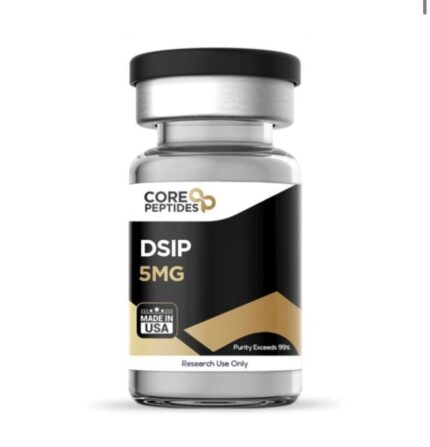
DSIP (5mg)
DSIP 5 mg provides a high-purity, laboratory-verified lyophilized peptide manufactured under strict quality control standards in the USA. Formulated with 5 mg of pure Delta Sleep-Inducing Peptide (Trp-Ala-Gly-Gly-Asp-Ala-Ser-Gly-Glu)—a naturally occurring nonapeptide found in the brain and systemic circulation—this compound is widely utilized in neurobiology, endocrinology, and sleep architecture research investigating slow-wave sleep induction, stress response adaptation, and neuroendocrine regulation.
Key Specifications
Active Compound: Delta Sleep-Inducing Peptide (DSIP)
Chemical Formula: \text{C}_{35}\text{H}_{48}\text{N}_{10}\text{O}_{15}
Concentration: 5 mg per vial
Purity Standard: Exceeds 99% (Third-Party HPLC Verified)
Formulation: Sterile Lyophilized Powder
Origin: Manufactured in USA
Classification: Research Use Only
Primary Research Applications
Sleep Architecture & Delta Wave Induction: DSIP is extensively studied for its capacity to induce slow-wave (delta) EEG activity, providing valuable insights into non-REM sleep regulation and circadian rhythm dynamics.
Stress Response & ACTH Modulation: Applied in neuroendocrine models to evaluate its inhibitory action on stress-induced corticotropin (ACTH) release and adrenal axis stabilization.
Analgesic & Antioxidant Activity: Investigated for its potential neuromodulatory mechanisms in modulating central pain perception and protecting cellular structures against oxidative damage.
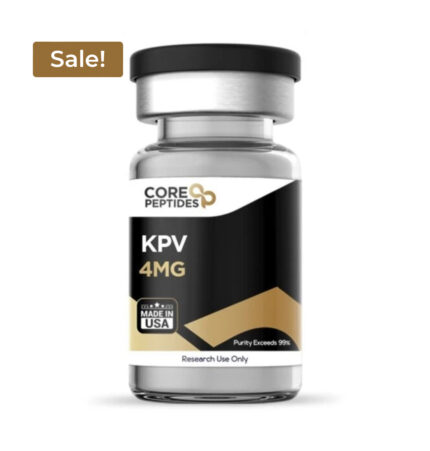
KPV Peptide (4mg)
KPV Peptide 4 mg provides a high-purity, laboratory-verified lyophilized peptide manufactured under strict quality control standards in the USA. Formulated with 4 mg of pure KPV (Lysine-Proline-Valine)—the C-terminal tripeptide fragment of alpha-melanocyte-stimulating hormone (\alpha\text{-MSH})—this compound is widely utilized in gastroenterology, immunology, and dermatology research investigating inflammatory bowel disease (IBD) suppression, antimicrobial signaling, and NF-\kappa\text{B} pathway downregulation.
Key Specifications
Active Compound: KPV (Lysine-Proline-Valine / \alpha\text{-MSH}_{11-13})
Chemical Formula: \text{C}_{16}\text{H}_{30}\text{N}_{4}\text{O}_{4}
Concentration: 4 mg per vial
Purity Standard: Exceeds 99% (Third-Party HPLC Verified)
Formulation: Sterile Lyophilized Powder
Origin: Manufactured in USA
Classification: Research Use Only
Primary Research Applications
Gastrointestinal Anti-Inflammatory Modulation: KPV is extensively studied in intestinal inflammation models for its ability to penetrate mucosal epithelial cells and inhibit nuclear factor kappa B (NF-\kappa\text{B}) translocation, reducing colonic tissue damage.
Antimicrobial & Anti-Fungal Activity: Evaluated in cellular microbiology models for direct antimicrobial properties against pathogen strains, including Candida albicans and Staphylococcus aureus.
Dermatological & Tissue Repair: Investigated in wound healing and inflammatory skin condition models to suppress pro-inflammatory cytokine expression (\text{IL-6}, \text{TNF-}\alpha) without inducing melanogenesis.
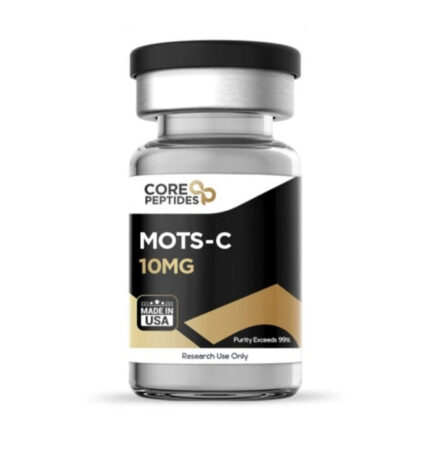
MOTS-C 10mg
Buy high-purity MOTS-c 10 mg lyophilized research peptide (≥99% purity). MOTS-c is a 16-amino acid mitochondrial-derived peptide that activates the AMPK pathway to regulate metabolic homeostasis, glucose utilization, and cellular stress resistance. Ideal for research in metabolic health, exercise adaptation, and longevity science. Fast shipping and lab-tested quality guaranteed.
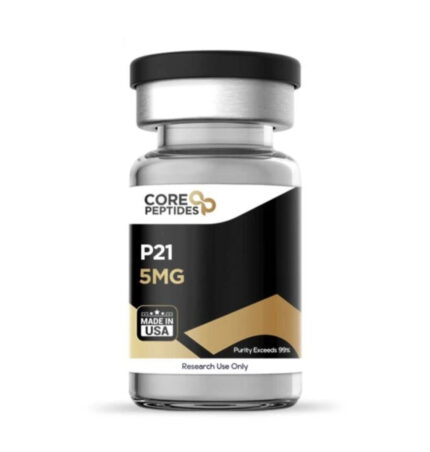
P21 Peptide (5mg)
P21 5 mg provides a high-purity, laboratory-verified lyophilized peptide manufactured under strict quality control standards in the USA. Formulated with 5 mg of pure P21—a synthetic peptide mimetic derived from ciliary neurotrophic factor (CNTF)—this compound is widely utilized in neurobiology, cognitive science, and neurodegenerative disease research examining neurogenesis, synaptic plasticity, BDNF signaling, and cognitive enhancement mechanisms.
Key Specifications
Active Compound: P21 Peptide (CNTF-derived synthetic peptide)
Chemical Formula: \text{C}_{30}\text{H}_{55}\text{N}_{9}\text{O}_{9}
Concentration: 5 mg per vial
Purity Standard: Exceeds 99% (Third-Party HPLC Verified)
Formulation: Sterile Lyophilized Powder
Origin: Manufactured in USA
Classification: Research Use Only
Primary Research Applications
Neurogenesis & Synaptogenesis: P21 is evaluated for its ability to promote neural progenitor cell proliferation and maturation in the dentate gyrus of the hippocampus, supporting research into structural brain plasticity.
Neurotrophic Factor Expression: Extensively studied for enhancing endogenous brain-derived neurotrophic factor (BDNF) and nerve growth factor (NGF) signaling pathways without inducing CNTF-receptor autoantibodies.
Cognitive Enhancement & Neuroprotection: Investigated in animal models of cognitive impairment, Alzheimer's disease, and traumatic brain injury to analyze memory retention recovery and synaptic density preservation.
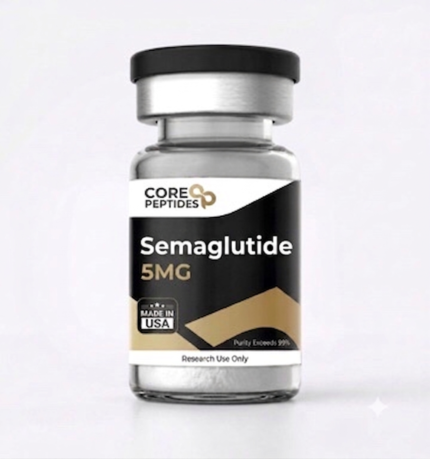
Semaglutide 5 mg
Semaglutide 5 mg is a research-grade lyophilized peptide engineered for high-purity laboratory applications. Each vial contains 5 mg of HPLC-verified Semaglutide, third-party tested to guarantee over 99% purity and manufactured in the USA under strict quality standards. Formulated specifically for research investigating GLP-1 receptor activation, glucose-dependent insulin secretion, gastric emptying regulation, and metabolic homeostasis pathways, this product is strictly intended for research use only.
Reviews
There are no reviews yet.