





















ABP-7 Peptide (10mg)
$90.00
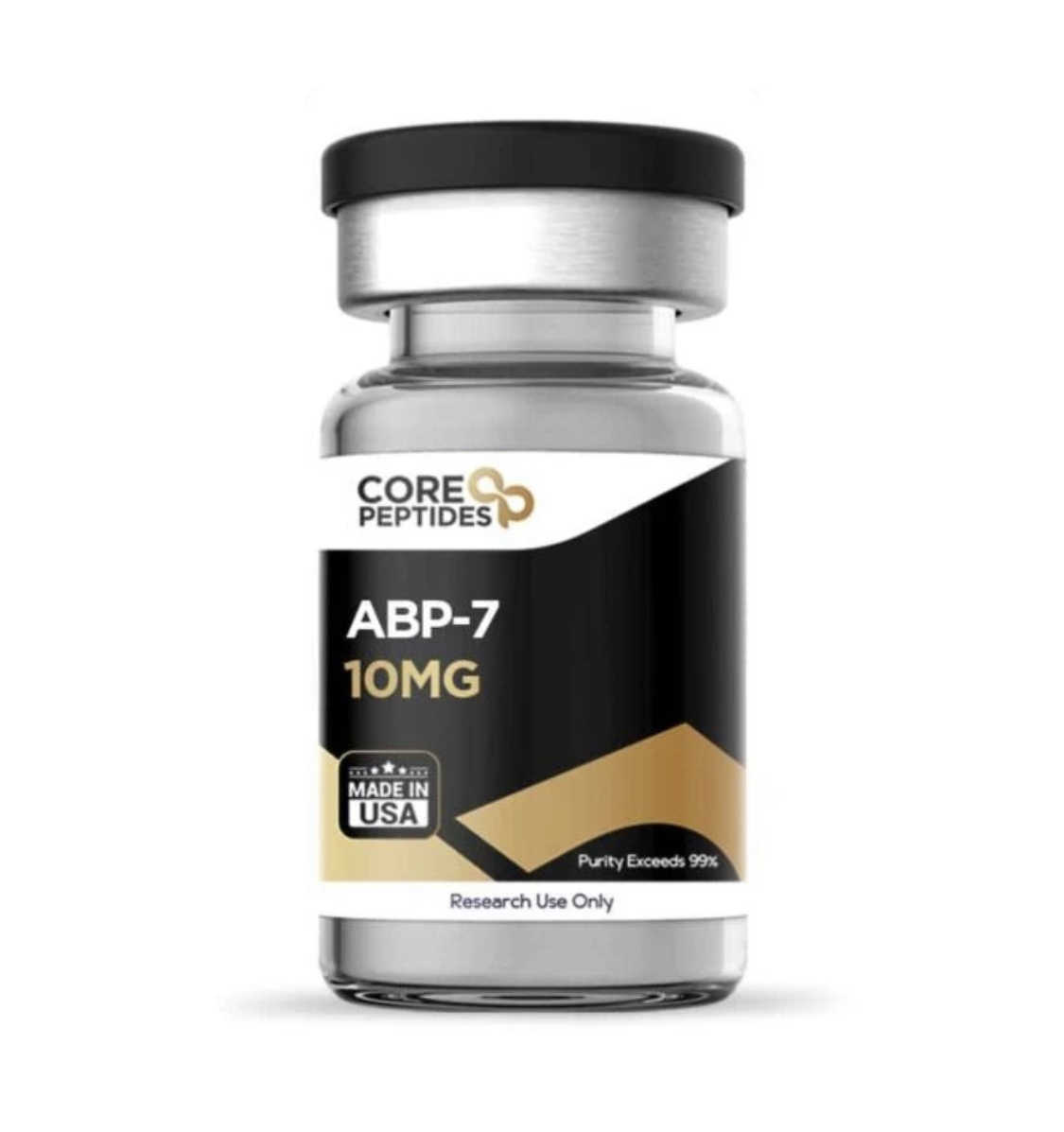
ABP-7 10 mg provides a high-purity, laboratory-verified lyophilized peptide manufactured under strict quality control standards in the USA. Formulated with 10 mg of pure ABP-7 per vial, this product undergoes rigorous third-party analytical testing to confirm optimal sequence integrity and purity exceeding 99%. ABP-7 is utilized in advanced biological and biochemical research models investigating cellular signaling pathways, protein interaction kinetics, and tissue-specific receptor dynamics.
Key Specifications
Active Compound: ABP-7
Concentration: 10 mg per vial
Purity Standard: Exceeds 99% (Third-Party HPLC & Mass Spectrometry Verified)
Formulation: Sterile Lyophilized Powder
Origin: Manufactured in USA
Classification: Research Use Only
Primary Research Applications
Cellular Signaling & Receptor Interactions: Utilized in in-vitro models to study ligand-receptor binding affinity, intracellular cascade activation, and cell membrane interaction dynamics.
Biochemical & Molecular Analysis: Engineered for laboratory assays requiring high structural stability, consistent molecular weight verification, and minimal lot-to-lot variability.
Tissue & Metabolic Dynamics: Investigated in specialized cellular protocols focusing on protein synthesis pathways and targeted cellular response mechanisms.
ABP-7 Peptide
ABP-7 (actin binding peptide-7) is a heptapeptide made of seven amino acids, which bears the sequence Acetyl-LKKTETQ. This peptide appears to be an N-acylated 17-23 fragment from a bigger molecule, Thymosin Beta 4. Consequently, this fragment is also sometimes termed a TB-500 Fragment.
ABP-7 is a synthetic peptide, produced via solid-phase peptide synthesis.(1) Some researchers consider its LKKTETQ sequence to be the central actin-binding domain in Thymosin Beta 4. Therefore, ABP-7 is expected to have similar potential actions regarding actin binding, as its Thymosin Beta 4 counterpart.(2)Thymosin Beta 4 is posited to function as an actin-binding protein, particularly through its domain ABP-7. This domain notably inhibits the polymerization of globular actin (G-actin) into filamentous actin (F-actin), a process termed actin sequestration. This inhibition may result in elevated levels of G-actin within the cell.
Actin, a pivotal component of the cellular cytoskeleton, is considered to not only provide structural integrity but may also play an essential role in various cellular activities, including cell motility and shape alteration. The mechanism by which ABP-7 may potentially prevent the polymerization of G-actin into F-actin appears to involve the stabilization of actin in its monomeric form, thereby limiting its availability to form the polymeric filaments necessary for a functional cytoskeleton. This alteration in the cytoskeletal architecture may impact the cell’s ability to migrate and adapt its shape, which are considered to be critical functions in numerous biological processes.
For instance, studies in wound healing and tissue regeneration suggest that cell motility may enable cells to move into and populate damaged areas to facilitate repair and restoration. Moreover, the possible disruption of actin polymerization by ABP-7 may influence other cellular mechanisms tied to actin dynamics, including intracellular transport and signal transduction pathways that rely on the actin cytoskeleton. The broader implications of these actions suggest that ABP-7’s potential role in modulating actin polymerization could be significant in understanding and potentially manipulating cellular behaviors.
Chemical Makeup
Molecular Formula: C38H81N9O20
Molecular Weight: 889.5 g/mol
Other Known Titles: TB-500 Fragment, Ac-LKKTETQ
Research and Clinical Studies
ABP-7 and Wounds
One study aimed to evaluate the actions of ABP-7, considered the central actin-binding domain of Thymosin Beta 4 (Tb4), focusing on its role in promoting wound repair in aged murine models. The peptide’s potential to enhance wound healing was assessed by examining parameters such as keratinocyte migration, collagen deposition, and wound closure.(3)More specifically, the researchers posited that “the actin-binding domain of thymosin beta 4 duplicated in a seven-amino acid synthetic peptide, LKKTETQ, was able to promote repair in the aged animals comparable to that observed with the parent molecule.” The study suggests that the ABP-7 peptide possibly promotes repair in aged murine models in ways that appear comparable to those observed with the parent molecule, Tb4.
It is posited that the ABP-7 peptide may encourage epidermal cell migration and increase collagen deposition within the wound site. These activities suggest that the peptide might facilitate the closure and healing of wound models. Moreover, it is mentioned that Thymosin Beta 4 and its derived peptides, including ABP-7, have been studied in various contexts of wound healing and have been evaluated for their general potential in enhancing keratinocyte migration, a crucial aspect of the healing process. The ABP-7 peptide, by mimicking a specific functional domain of Tb4, possibly harnesses similar biological pathways to promote wound repair, although the study suggests that further research is needed to fully understand the peptide’s mechanism of action and its potential applicability in this specific field of study.
Studies have purported various mechanisms via which ABP-7 may speed up the healing of lesions and skin wounds.(4) One proposed mechanism suggests that ABP-7 may interact with purinergic receptors, which are considered to play pivotal roles in cellular responses to injury. The enhancement of wound healing observed in the presence of ABP-7 may be mediated by these receptors. The interaction may increase intracellular calcium levels, which is believed to be a critical factor in activating cellular pathways that facilitate wound closure. This rise in calcium levels might stimulate processes such as cell migration and extracellular matrix remodeling, which are essential for wound model repair.
Additionally, the peptide’s interaction with actin—a fundamental component of the cellular cytoskeleton—suggests a mechanism where ABP-7 might influence actin dynamics. By binding to actin, ABP-7 might potentially stabilize or alter the structure of the cytoskeleton, thereby affecting the cell’s ability to migrate and cover the wound models. Furthermore, the possibility that ABP-7 enhances the activation of downstream signaling pathways, such as those mediated by MAP kinases, cannot be ruled out. These pathways are considered to often regulate gene expression related to cell proliferation and migration. The modulation of these pathways by ABP-7 might enhance the cellular responses necessary for wound healing.
ABP-7 and Tissue Scarring (Fibrosis)
Research has been undertaken to investigate the potential anti-fibrotic properties of ABP-7 and its actions on hepatic stellate cells (HSC) within the context of liver fibrosis. One study posits that ABP-7 might influence the behavior of these cells. Preliminary data tentatively suggests that ABP-7 might potentially inhibit the PDGF-BB-dependent up-regulation of critical biomarkers such as PDGFβ receptor, α-smooth muscle actin (α-SMA), and collagen type I. Furthermore, it appears that ABP-7 may obstruct the phosphorylation of Akt at both T308 and S473 sites, which might consequently impede the phosphorylation of PRAS40. In elaborating on these pathways, the PDGF-BB-dependent up-regulation is believed to involve an enhancement of specific cellular signals initiated by PDGF-BB, a platelet-derived growth factor that engages and activates the PDGFβ receptor. The scientists commented that the fragment may have “prevented the PDGF-BB induced reappearance of the receptor protein once it is already degraded.”(5)
This receptor is considered crucial for cellular growth and division. α-Smooth muscle actin (α-SMA), serves as a marker for the transition of quiescent stellate cells into their contractile phenotype, considered a critical event in the development of fibrosis. Collagen type I is a principal component of the extracellular matrix that tends to accumulate during liver fibrosis. Regarding the signaling aspect, the phosphorylation of Akt at the T308 and S473 sites is hypothesized to activate Akt, potentially leading to the activation of several downstream proteins, including PRAS40, lauded as an essential regulator of cell survival and metabolism. The inhibition of these phosphorylation events may, theoretically, disrupt these signaling pathways, which are believed to be vital for the integral processes of cell proliferation and migration in fibrogenesis. This inhibition sequence is conjectured to correlate with a reduction in the proliferation and migration of activated HSCs. These observations suggest that ABP-7 may possibly play an influential role in mitigating the activation of HSC and the subsequent fibrotic response.(5)
ABP-7 and Angiogenesis
The peptide ABP-7 may have a role in promoting angiogenesis, or the development of new blood vessels. It is thought that ABP-7 might facilitate endothelial cell behaviors crucial for new blood vessel formation, such as migration and tube formation in vitro. These processes are considered essential for angiogenesis, where endothelial cells may migrate, align, and form tubular structures to establish new blood vessels. Ex vivo assays, such as sprouting from aortic rings, have suggested that ABP-7 may possibly support the initial steps of vessel sprouting.(2) Researchers consider vessel sprouting as a potential step in angiogenesis. The addition of ABP-7 to these systems might indicate reduced interaction of actin with other cellular components by its actin-binding activity, thus potentially freeing up actin to participate more actively in the dynamic structural changes that endothelial cells undergo during angiogenesis. It is posited that by modifying actin’s availability or organization within endothelial cells, ABP-7 might be influencing the cellular architecture in a way that favors angiogenic processes. This may involve cell shape and motility alterations, which are critical for forming new vascular structures. Given the complexity of angiogenic signaling and the multiple steps involved, it is also possible that ABP-7 may interact indirectly with other cellular pathways or signaling molecules that contribute to angiogenesis. These potential interactions and their actions on angiogenesis are still under investigation and hold the promise for further elucidation in future studies.
References:
- Esposito, S., Deventer, K., Goeman, J., Van der Eycken, J., & Van Eenoo, P. (2012). Synthesis and characterization of the N-terminal acetylated 17-23 fragment of thymosin beta 4 identified in TB-500, a product suspected to possess doping potential. Drug testing and analysis, 4(9), 733–738. https://doi.org/10.1002/dta.1402
- Sosne, G., Qiu, P., Goldstein, A. L., & Wheater, M. (2010). Biological activities of thymosin beta4 defined by active sites in short peptide sequences. FASEB journal : official publication of the Federation of American Societies for Experimental Biology, 24(7), 2144–2151. https://doi.org/10.1096/fj.09-142307
- Philp, D., Badamchian, M., Scheremeta, B., Nguyen, M., Goldstein, A. L., & Kleinman, H. K. (2003). Thymosin beta 4 and a synthetic peptide containing its actin-binding domain promote dermal wound repair in db/db diabetic mice and in aged mice. Wound repair and regeneration : official publication of the Wound Healing Society [and] the European Tissue Repair Society, 11(1), 19–24. https://doi.org/10.1046/j.1524-475x.2003.11105.x
- Huang, C. M., Wang, C. C., Barnes, S., & Elmets, C. A. (2006). In vivo detection of secreted proteins from wounded skin using capillary ultrafiltration probes and mass spectrometric proteomics. Proteomics, 6(21), 5805–5814. https://doi.org/10.1002/pmic.200600163


Related products
AICAR Peptide (50mg)
AICAR 50 mg provides a high-purity, laboratory-verified lyophilized compound manufactured under strict quality control standards in the USA. Formulated with 50 mg of pure AICAR (5-Aminoimidazole-4-carboxamide ribonucleotide) per vial, this synthetic adenosine analog is widely utilized in cellular, metabolic, and exercise physiology research investigating AMP-activated protein kinase (AMPK) activation, cellular energy homeostasis, and mitochondrial biogenesis pathways.
Key Specifications
Active Compound: AICAR (Acadesine / AICA Riboside)
Chemical Formula: \text{C}_{9}\text{H}_{15}\text{N}_{4}\text{O}_{8}\text{P}
Concentration: 50 mg per vial
Purity Standard: Exceeds 99% (Third-Party HPLC Verified)
Formulation: Sterile Lyophilized Powder
Origin: Manufactured in USA
Classification: Research Use Only
Primary Research Applications
AMP-Activated Protein Kinase (AMPK) Activation: AICAR is intracellularly phosphorylated into ZMP, an AMP mimic that directly activates AMPK without altering cellular ATP/ADP ratios, facilitating targeted metabolic research.
Mitochondrial Biogenesis & Endurance Pathways: Applied in cell cultures to analyze upregulated PGC-1$\alpha$ signaling, glucose uptake enhancement, and lipid oxidation mechanisms.
Ischemic & Cellular Energy Homeostasis Studies: Extensively investigated in cardiac and skeletal muscle models measuring metabolic adaptation, cellular stress response, and insulin sensitivity.
AOD 9604 (5mg)
AOD 9604 5mg is a premium, high-purity (\ge99% HPLC-verified) synthetic analog of the C-terminal region of human growth hormone (hGH 177-191). Engineered specifically to isolate lipolytic receptor activity without elevating IGF-1 levels or altering glucose metabolism, AOD 9604 is an essential tool for laboratory studies targeting lipid metabolism, adipocyte signaling, and cartilage matrix regeneration. Supplied as a sterile lyophilized powder strictly for scientific research use.
GHK-Cu (Copper) (50mg)
GHK-Cu (50mg) is a premium copper-binding tripeptide engineered to support advanced tissue repair, collagen synthesis, and cellular regeneration. Naturally present in human plasma, GHK-Cu levels decline with age. This potent peptide actively stimulates collagen and elastin production, accelerates wound healing, reduces fine lines, and promotes skin firmness and hair follicle restoration. Ideal for anti-aging and regenerative research applications.
Key Benefits: Boosts collagen & elastin, aids tissue remodeling, enhances skin barrier health, supports hair density.
Format: 50mg lyophilized powder (purity ≥99%).
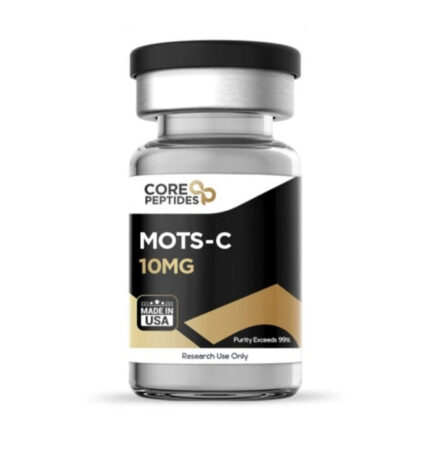
MOTS-C 10mg
Buy high-purity MOTS-c 10 mg lyophilized research peptide (≥99% purity). MOTS-c is a 16-amino acid mitochondrial-derived peptide that activates the AMPK pathway to regulate metabolic homeostasis, glucose utilization, and cellular stress resistance. Ideal for research in metabolic health, exercise adaptation, and longevity science. Fast shipping and lab-tested quality guaranteed.
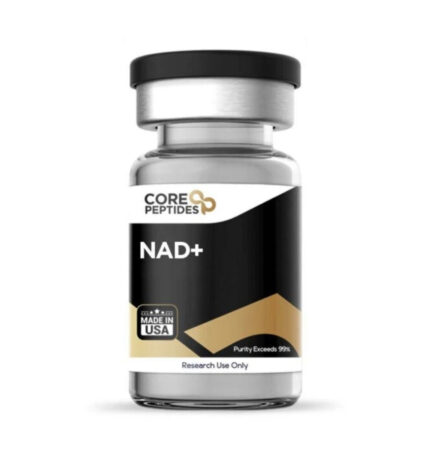
NAD+ Peptide (750 mg)
NAD+ Peptide 750 mg provides a high-purity, laboratory-verified lyophilized coenzyme manufactured under strict quality control standards in the USA. Formulated with 750 mg of pure Nicotinamide Adenine Dinucleotide (\text{NAD}^+) per vial, this essential coenzyme is widely utilized in cellular biology, metabolic pathways, and anti-aging research examining mitochondrial oxidative phosphorylation, sirtuin enzyme activation, PARP-mediated DNA repair, and intracellular redox homeostasis.
Key Specifications
Active Compound: \text{NAD}^+ (Nicotinamide Adenine Dinucleotide)
Chemical Formula: \text{C}_{21}\text{H}_{27}\text{N}_{7}\text{O}_{14}\text{P}_{2}
Concentration: 750 mg per vial
Purity Standard: Exceeds 99% (Third-Party HPLC Verified)
Formulation: Sterile Lyophilized Powder
Origin: Manufactured in USA
Classification: Research Use Only
Primary Research Applications
Mitochondrial ATP Production & Electron Transport: Functions as a critical electron acceptor in glycolysis and the citric acid cycle, making it essential for research into cellular respiration kinetics and energy production efficiency.
Sirtuin (SIRT1–SIRT7) & PARP Activation: Serves as a required substrate for sirtuins and poly(ADP-ribose) polymerases (PARPs), enabling investigation into genomic stability, chromatin remodeling, and longevity signaling pathways.
Cellular Senescence & Metabolic Homeostasis: Widely applied in age-related research models measuring declining pool concentrations, oxidative stress mitigation, and systemic metabolic function restoration.
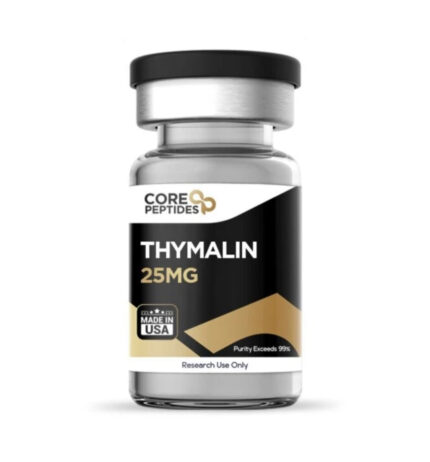
Thymalin Peptide (25mg)
Thymalin peptide 25 mg provides a high-purity, laboratory-verified lyophilized peptide manufactured under strict quality control standards in the USA. Formulated with 25 mg of pure Thymalin—a synthetic bioregulator peptide complex derived from thymic polypeptide fraction research—this compound is widely utilized in immunology, endocrinology, and biogerontology research examining T-lymphocyte differentiation, immune system homeostasis, and neuroendocrine-immune interactions.
Key Specifications
Active Compound: Thymalin (Thymic Peptide Bioregulator)
Chemical Structure: Synthetic Thymic Dipeptide Complex (Lys-Glu / Glu-Trp analogs)
Concentration: 25 mg per vial
Purity Standard: Exceeds 99% (Third-Party HPLC Verified)
Formulation: Sterile Lyophilized Powder
Origin: Manufactured in USA
Classification: Research Use Only
Primary Research Applications
Immunomodulation & T-Cell Maturation: Thymalin is studied for its ability to regulate T-lymphocyte differentiation, restore helper/suppressor T-cell ratios (CD4^+/CD8^+), and stimulate cellular immunity markers.
Thymic Involution & Immune Restoration: Evaluated in age-related immune dysfunction and immunosenescence models to measure restored thymic secretory capacity and cytokine balance.
Neuroendocrine-Immune Axis Regulation: Extensively investigated in peptide bioregulator research for its role in normalizing neuroendocrine response, pineal-thymus interaction, and gene expression pathways during chronic stress or pathology.
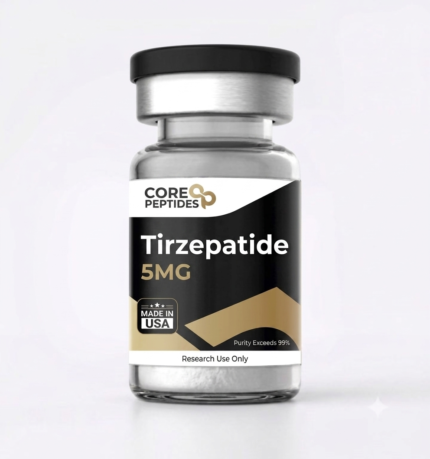
Tirzepatide (5mg)
Tirzepatide (5mg) is a dual GIP and GLP-1 receptor agonist designed to study advanced weight loss, lipid metabolism, and glycemic control. Engineered for high potency, this peptide targets dual incretin pathways to optimize metabolic research outcomes. Supplied as a high-purity lyophilized powder for laboratory use.
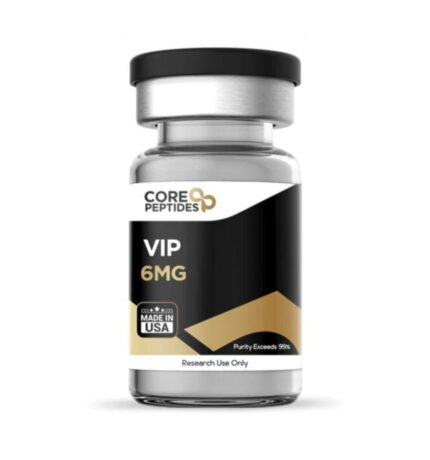
VIP Peptide (6mg)
VIP Peptide 6 mg provides a high-purity, laboratory-verified lyophilized peptide manufactured under strict quality control standards in the USA. Formulated with 6 mg of pure Vasoactive Intestinal Peptide (VIP)—a naturally occurring 28-amino-acid neuropeptide belonging to the secretin/glucagon superfamily—this compound is widely utilized in immunology, neurobiology, gastroenterology, and cardiovascular research examining immunomodulatory cascades, smooth muscle relaxation, and suprachiasmatic nucleus circadian clock synchronization.
Key Specifications
Active Compound: Vasoactive Intestinal Peptide (VIP)
Chemical Formula: \text{C}_{147}\text{H}_{238}\text{N}_{44}\text{O}_{42}\text{S}
Concentration: 6 mg per vial
Purity Standard: Exceeds 99% (Third-Party HPLC Verified)
Formulation: Sterile Lyophilized Powder
Origin: Manufactured in USA
Classification: Research Use Only
Primary Research Applications
Immunomodulation & Anti-Inflammatory Pathways: VIP acts via VPAC1 and VPAC2 receptors to inhibit pro-inflammatory cytokines (TNF-\alpha, IL-6, IL-12) while upregulating anti-inflammatory pathways (IL-10), making it a benchmark subject in autoimmune and chronic inflammatory signaling research.
Vascular & Pulmonary Smooth Muscle Regulation: Evaluated in cardiovascular and respiratory models for its potent vasodilatory properties, pulmonary arterial pressure regulation, and airway bronchodilator mechanisms.
Circadian Rhythm & Neuroendocrine Signaling: Extensively studied in suprachiasmatic nucleus (SCN) neuronal models to analyze central biological clock entrainment, neuropeptide release dynamics, and intestinal mucosal signaling.
Reviews
There are no reviews yet.