






















ARA-290 Peptide (16mg)
$92.00
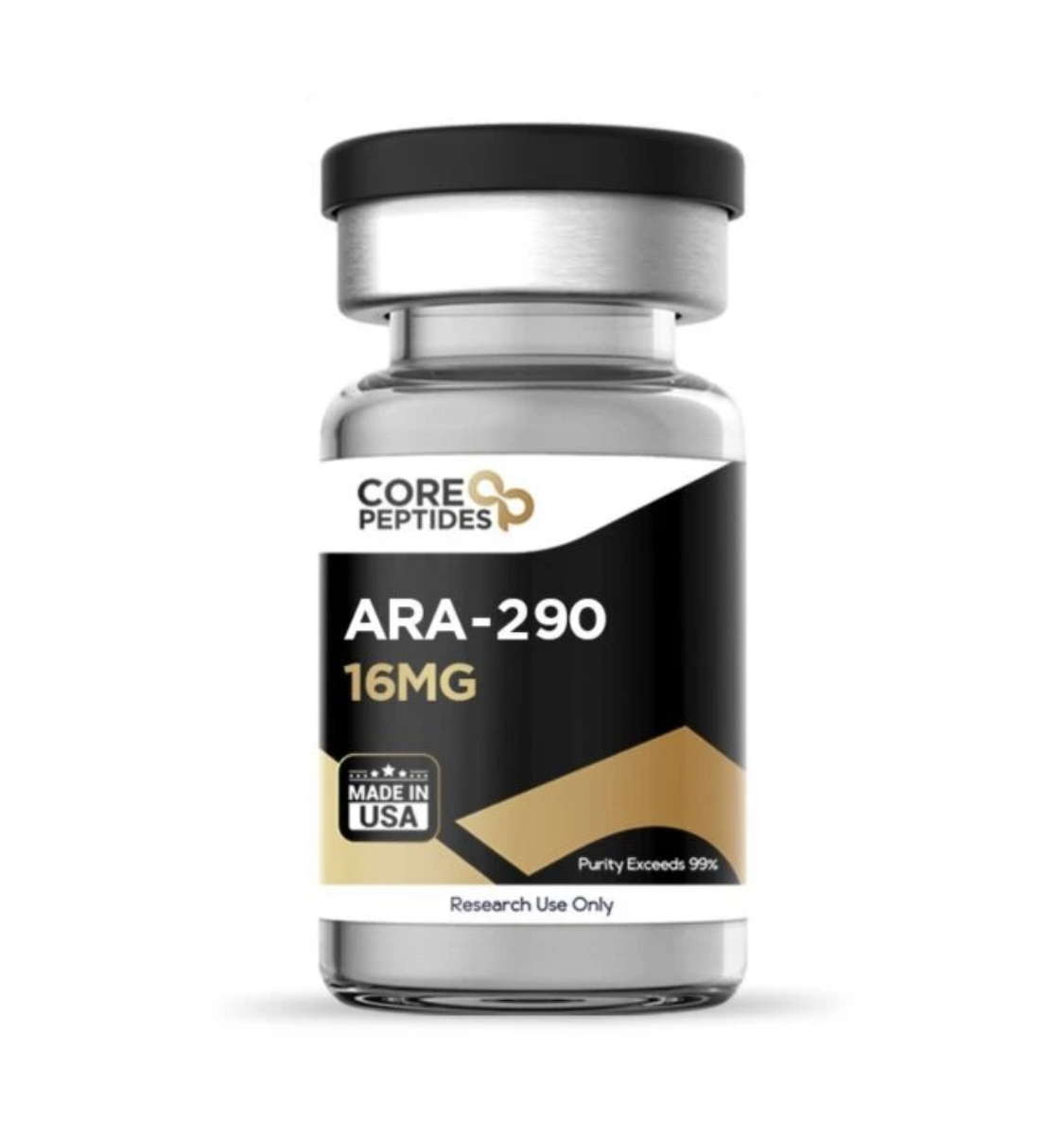
ARA-290 16 mg provides a high-purity, laboratory-verified lyophilized peptide manufactured under strict quality control standards in the USA. Formulated with 16 mg of pure ARA-290 (Cibinetide; Pyroglu-Glu-Gln-Glu-Arg-Glu-Arg-Ala-Glu-Ala-Lys-Glu)—a 11-amino-acid synthetic peptide derived from the erythropoietin (EPO) structure—this compound selectively targets the Innate Repair Receptor (IRR) without stimulating erythropoiesis. It is widely utilized in neurology, immunology, and tissue regeneration research investigating neuropathic pain attenuation, small nerve fiber regeneration, and inflammatory cytokine suppression.
Key Specifications
Active Compound: ARA-290 (Cibinetide / Pyroglutamate Helix B Surface Peptide)
Chemical Formula: \text{C}_{51}\text{H}_{84}\text{N}_{16}\text{O}_{21}
Concentration: 16 mg per vial
Purity Standard: Exceeds 99% (Third-Party HPLC Verified)
Formulation: Sterile Lyophilized Powder
Origin: Manufactured in USA
Classification: Research Use Only
Primary Research Applications
Selective Innate Repair Receptor (IRR) Activation: ARA-290 selectively binds the erythropoietin receptor / \beta-common receptor (\text{EPOR/}\beta\text{cR}) heterodimer to initiate anti-inflammatory and tissue-protective signaling without increasing red blood cell count or hematocrit levels.
Small Fiber Neuropathy & Peripheral Nerve Repair: Extensively studied in neuropathic disease models for its ability to promote small nerve fiber density restoration, repair damaged peripheral axons, and relieve neuropathic pain signaling.
Anti-Inflammatory & Ischemic Protection: Investigated for its inhibitory effects on pro-inflammatory cytokine cascades (\text{TNF-}\alpha, \text{IL-6}) and its protective role against ischemia-reperfusion injury in cardiovascular and metabolic tissue models.
ARA-290 Peptide
ARA-290 peptide 16mg, also known as cibinetide and helix B surface peptide (HBSP) in scientific literature, is an 11 amino acid chain derived from the beta domain of the naturally-occurring protein erythropoietin (EPO). This part of the EPO sequence is considered to assist in tissue regeneration and repair without exerting stimulus on the production of red blood cells.(1)Scientists consider the primary function of the EPO is to stimulate tissues to produce red blood cells. Still, the beta domain of the protein, and consequently ARA-290, do not appear to possess this property. Instead, they may possess certain potential regenerative, anti-inflammatory, anti-nociceptive, and other lesser-known properties of the original naturally occurring EPO protein.
Overview
Scientific findings(2) thus far suggest that once a tissue undergoes an injury, a tissue-protective receptor (TPR) pathway may be activated. This TPR receptor mainly consists of a beta receptor unit (CD131) and a subunit from the EPO receptor, jointly called the innate repair receptor. Researchers have suggested that the ARA-290 peptide molecule may bind to this innate repair receptor and possibly attenuate nerve and allodynia-led pain (nociception).(3) It is also suggested that the ARA-290 peptide may act primarily via this IRR-mediated pathway.
Chemical Makeup
Molecular Formula: C51H54N16O21
Molecular Weight: 1257.3 g/mol
Other Known Titles: PH-BSP
Research and Clinical Studies
ARA-290 Peptide and Nociception
Scientists consider that Transient Receptor Potential (TRP) channels may be the primary nociceptive stimulating channels, including possible thermal, chemical, and mechanical stimuli. In the presence of such a causative agent, one of the TRP channels, namely TRPV1, may be triggered. Upon activation, it might induce the ejection of neuropeptides, which then are considered to generate action potential in the nervous systems. This action potential is referred to as “nociception.”(4) A 2016 study(5)suggested that ARA-290 peptide may have the potential to increase the threshold of this TRPV1 channel, with researchers further implying that the peptide might inhibit the TRPV1 actions and thereby no neuropeptides will be released to spark a nociceptive response. The researchers conducted a study with a C57/BL6 strain of murine models to investigate this hypothesis. They took neurons from two areas of the murine nervous system, the dorsal root ganglion, and the trigeminal ganglion, and studied them using calcium imaging. This involved the introduction of a special dye to the cells that lights up when calcium is present and then examining them under a special microscope. The experiment measured how these neurons potentially reacted to three substances: ARA-290, capsaicin (the compound that makes chili peppers hot), and KCl (a common chemical compound that can be used as a control). The researchers were particularly interested in whether ARA-290 could reduce the reaction of the neurons to capsaicin. They also did some direct tests on the murine models. One test measured how potentially sensitive the murine models’ appendages were to nociception. They used different concentrations of ARA-290 or a control solution on the murine models’ hind appendages. Then, they exposed them to capsaicin to see if it made them potentially more sensitive to nociception. They used a tool to apply pressure to the appendages and measured the point at which the murine models pulled their appendages away. Another test checked how often the murine models withdrew their appendages over 24 hours after exposure to capsaicin. Here, the researchers were evaluating whether giving the murine models ARA-290 after the capsaicin may have affected their sensitivity to nociception. Thus, the findings suggested that ARA-290 might specifically block the reaction of neurons to capsaicin without affecting other types of heat sensors. This may suggest that ARA-290 targets specifically the TRPV1 channels and might potentially increase the amount of capsaicin needed to activate these channels. ARA-290 is still being actively studied for its possible role in nociception “mitigation”. However, researchers have also developed hypotheses about its other potential mechanisms of action, such as potential anti-inflammatory and possible immunomodulatory impact.
ARA-290 Peptide and Retinal Ischemia
A recent study(6) has suggested that ARA-290 may have the potential to protect the endothelial blood vessels and possibly thereby combat retinal ischemia in models of ischemic retinopathies. A possible mitigation method for retinal ischemia is the restoration of endothelial colony-forming cells (ECFC) in the retinal tissue. This study explored the potential of ARA-290 in reducing the current pro-inflammatory conditions in the ischemic retina and its potential effects on vascular regeneration aided by ECFCs. Experimental murine models induced with retinal ischemia underwent ECFC cell transplantation for this study. To determine the potential of the peptide, transplantation in some murine models occurred in the presence of ARA-290 while the rest was in the absence of peptides. Experimental investigations were conducted to assess the impact of ARA-290 on the survival mechanisms and functionality within ECFC (Endothelial Colony-Forming Cell) cultures. The research suggested that ARA-290 might potentially initiate survival pathways and improve cell survival in ECFCs under oxidative stress caused by H2O2. The study aimed to determine the effectiveness of ECFC transplantation in promoting vascular repair in the retinal area of mice, utilizing the oxygen-induced retinopathy (OIR) model for this purpose. The research compared the effects of transplanting ECFCs with and without ARA-290. Additionally, the study examined the inflammatory cytokine profile and microglia activation, which may act as markers of inflammation. Preliminary results indicated that introducing ECFCs with EPO or ARA-290 before transplantation did not appear to significantly enhance their ability to repair blood vessels in the ischemic retina. However, the systemic introduction of ARA-290 in OIR mice seemed to lower the levels of pro-inflammatory cytokines like IL-1β and TNF-α in the retinal tissue, hinting at its possible anti-inflammatory properties. The introduction of ECFCs into the vitreous humor of the eye led to their integration into the impaired retinal blood vessels and seemed to notably reduce the area without blood vessels. Notably, ARA-290 appeared to enhance the vaso-reparative capacity of the ECFCs, a result not observed with EPO. After the study, it was suggested by the researchers that the peptide exhibited a reduction in the inflammatory expression of interleukin cells in the retina. The scientists commented that: “regulation of the pro-inflammatory milieu of the ischemic retina can be enhanced by ARA290 and may be a useful [research agent] to ECFC-based cell [procedures] for ischemic retinopathies.”
ARA-290 Peptide and Inflammatory Cytokine Cells
One study(7) was conducted to determine whether the erythropoietin analog, ARA-290 peptide, may possess anti-inflammatory and cell protective potential. More specifically, the researchers investigated the potential of the peptide in pancreatic islet transplantation (PITx) models, which typically demonstrates limited success due to islet damage that occurs during isolation and from the severe inflammatory reactions caused by the transplantation procedure. In this study,(7) experimental murine models, which underwent transplantation intervention for 180+ pancreatic islet cells, were used. The murine models were introduced to the ARA-290 peptide right before, at 0, 6, and 24 hours after intervention. After 12 hours of peptide presence, the liver samples from the murine models were collected and analyzed. Peptide cells appeared to exhibit minimal damage to the islets. The researchers indicated that the peptide may have protected the islet cells from cytokines and subsequent apoptosis. More precisely, the scientists commented that “ARA-290 protected islets from cytokine-induced damage and apoptosis. Secretion of pro-inflammatory cytokines (IL-6, IL-12, and TNF-α) from macrophages was significantly inhibited by ARA-290.” The findings indicated that ARA-290 might potentially maintain the functionality of cultured islets under the stress of proinflammatory cytokines. This hypothesis is supported by observed reductions in caspase 3/7 activity, suggesting a protective effect against apoptosis triggered by cytokines. Additionally, ARA-290 appeared to diminish the production of proinflammatory cytokines in the liver following pancreatic islet transplantation, hinting at its possible role in mitigating inflammatory responses within the liver. Further delving into ARA-290’s potential mode of action, it is believed to engage the EPOR-βcR complex, apparently initiating a cascade of signaling events. EPOR-βcR is a complex formed by the erythropoietin receptor (EPOR) and the beta-common receptor (βcR). It plays a key role in cellular signaling, particularly in response to certain growth factors and cytokines. These events might inhibit the transcription of proinflammatory genes and promote cellular survival. It is theorized that this process could involve the activation of the PI3K-Akt and JAK2-STAT5 pathways (pathways with essential roles in cell growth, survival, and metabolism), along with a reduction in NF-κB-mediated gene transcription (proinflammatory pathways that can lead to cell damage and death). ARA-290’s interaction with the heightened EPOR-βcR complex typically upregulated in response to cell or tissue damage, is also of interest. Ultimately, the scientists commented that “ARA 290 protected pancreatic islets from cytokine-induced damage and apoptosis and ameliorated the inflammatory response” in these experimental models. Thus, the researchers concluded that this interaction may potentially shield islets against the detrimental effects of proinflammatory cytokines, which might be released by activated macrophages or as a result of the transplantation procedure itself.
ARA-290 Peptide and Tissue Protection
Based on the available research(8), the ARA-290 peptide is considered to have potential binding capacity to TPRs, which may assist in maintaining the function of the tissues protecting against harmful inflammation and subsequent cellular and tissue death. Researchers have posited the main potential of ARA-290 peptide over the endogenous erythropoietin cells to bind TPR receptor cells without further cardiovascular or muscular impact.(8) This potential of the peptide may help improve tissue regeneration and reduce tissue damage, possibly promoting better wound recovery and healing and decreasing the formation of scars in experimental murine models.
ARA-290 Peptide and Immunomodulation via TPR Pathway
Scientists posit that the TPR pathway, once stimulated, may express on various immunological cells, including macrophages. With the potential of ARA-290 peptide to bind with the TPR receptor cells, it may restrict the release of certain inflammatory molecules such as interleukin-6 (IL-6). Owing to a reduced secretion, it may lead to reduced severity of immuno-compromising conditions. (8)
ARA-290 Peptide and Immunomodulation via Adaptive Immunity
Research(8) has suggested that ARA-290 peptide may potentially alter the presentation of antigens by the dendritic cells, thereby possibly altering adaptive immunity in test models. Owing to the peptide’s potential to “fine tune” the immune cells, they may not reject transplanted bodies, potentially leading to successful transplantation experiments in laboratory models.


Related products
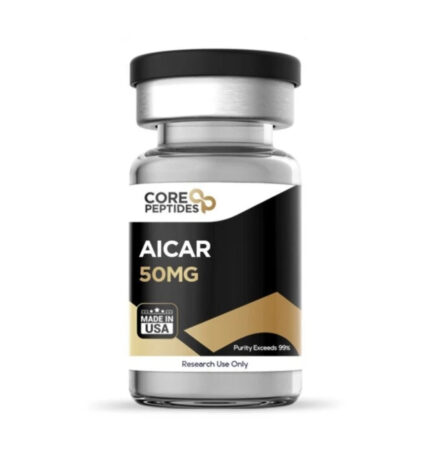
AICAR Peptide (50mg)
AICAR 50 mg provides a high-purity, laboratory-verified lyophilized compound manufactured under strict quality control standards in the USA. Formulated with 50 mg of pure AICAR (5-Aminoimidazole-4-carboxamide ribonucleotide) per vial, this synthetic adenosine analog is widely utilized in cellular, metabolic, and exercise physiology research investigating AMP-activated protein kinase (AMPK) activation, cellular energy homeostasis, and mitochondrial biogenesis pathways.
Key Specifications
Active Compound: AICAR (Acadesine / AICA Riboside)
Chemical Formula: \text{C}_{9}\text{H}_{15}\text{N}_{4}\text{O}_{8}\text{P}
Concentration: 50 mg per vial
Purity Standard: Exceeds 99% (Third-Party HPLC Verified)
Formulation: Sterile Lyophilized Powder
Origin: Manufactured in USA
Classification: Research Use Only
Primary Research Applications
AMP-Activated Protein Kinase (AMPK) Activation: AICAR is intracellularly phosphorylated into ZMP, an AMP mimic that directly activates AMPK without altering cellular ATP/ADP ratios, facilitating targeted metabolic research.
Mitochondrial Biogenesis & Endurance Pathways: Applied in cell cultures to analyze upregulated PGC-1$\alpha$ signaling, glucose uptake enhancement, and lipid oxidation mechanisms.
Ischemic & Cellular Energy Homeostasis Studies: Extensively investigated in cardiac and skeletal muscle models measuring metabolic adaptation, cellular stress response, and insulin sensitivity.
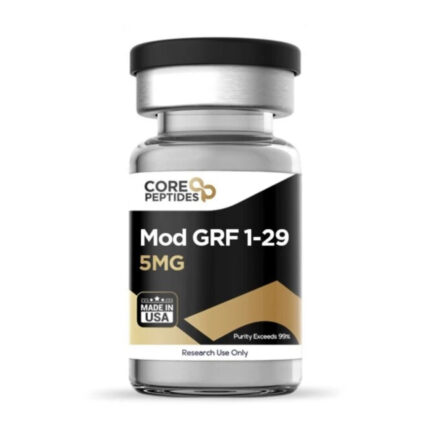
CJC-1295 NO DAC (Mod GRF 1-29) (5mg)
CJC-1295 NO DAC (Mod GRF 1-29) 5mg is a premium, high-purity (\ge99% HPLC-verified) synthetic peptide derived from natural Growth Hormone-Releasing Hormone (GHRH). Engineered with four target amino acid substitutions (positions 2, 8, 15, and 27), it offers superior resistance against DPP-IV enzymatic degradation while maintaining a natural, short-acting pulsatile signaling profile. Supplied as a sterile, lyophilized powder strictly for scientific laboratory and in vitro research applications.
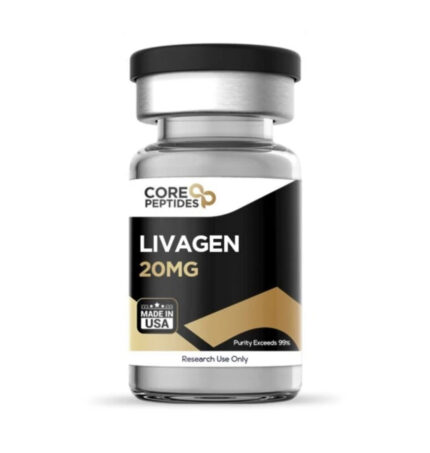
Livagen Peptide (20mg)
Livagen peptide 20mg provides a high-purity, laboratory-verified lyophilized peptide manufactured under strict quality control standards in the USA. Formulated with 20 mg of pure Livagen—a synthetic peptide bioregulator closely related to Epitalon and composed of the peptide sequence Lys-Glu-Asp-Ala—this compound is widely utilized in hepatology, molecular genetics, and biogerontology research examining chromatin decondensation, hepatic cellular protein synthesis, and immune modulation.
Key Specifications
Active Compound: Livagen (L-Lysyl-L-Glutamyl-L-Aspartyl-L-Alanine / Lys-Glu-Asp-Ala)
Chemical Formula: \text{C}_{18}\text{H}_{31}\text{N}_{5}\text{O}_{9}
Concentration: 20 mg per vial
Purity Standard: Exceeds 99% (Third-Party HPLC Verified)
Formulation: Sterile Lyophilized Powder
Origin: Manufactured in USA
Classification: Research Use Only
Primary Research Applications
Chromatin Activation & Epigenetic Regulation: Livagen is studied for its ability to induce decondensation of pericentromeric heterochromatin, reactivating silent genes associated with cellular aging and ribosomal RNA synthesis in senescent cells.
Hepatocyte Function & Liver Tissue Repair: Extensively evaluated in hepatic research models to observe its restorative effects on liver parenchyma, metabolic clearance mechanisms, and cellular detoxification enzymes.
Immune System Homeostasis: Investigated in immunogerontology models to assess T-lymphocyte function restoration, lymphocyte chromatin structure normalization, and resistance against toxic environmental stress.
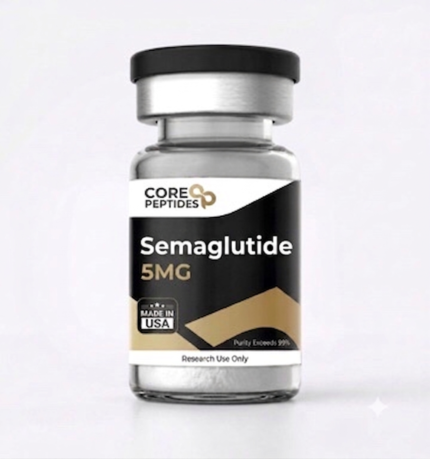
Semaglutide 5 mg
Semaglutide 5 mg is a research-grade lyophilized peptide engineered for high-purity laboratory applications. Each vial contains 5 mg of HPLC-verified Semaglutide, third-party tested to guarantee over 99% purity and manufactured in the USA under strict quality standards. Formulated specifically for research investigating GLP-1 receptor activation, glucose-dependent insulin secretion, gastric emptying regulation, and metabolic homeostasis pathways, this product is strictly intended for research use only.
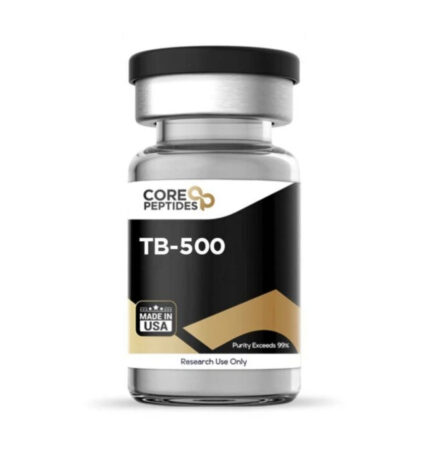
TB-500 (Thymosin Beta 4) 10 mg
TB-500 provides a high-purity, laboratory-verified lyophilized peptide manufactured under strict quality control standards in the USA. Formulated with pure TB-500 (a synthetic region of the naturally occurring peptide Thymosin Beta-4), this compound is widely utilized in cellular, vascular, and tissue engineering research investigating actin sequestration, cell migration, angiogenesis, and repair pathways in connective tissue models.
Key Specifications
Active Compound: TB-500 (Thymosin Beta-4 Fragment)
Purity Standard: Exceeds 99% (Third-Party HPLC Verified)
Formulation: Sterile Lyophilized Powder
Origin: Manufactured in USA
Classification: Research Use Only
Primary Research Applications
Actin Sequestration & Cytoskeletal Dynamics: TB-500 binds to G-actin to regulate actin polymerization, making it a valuable tool for studying cellular structure reorganization, motility, and wound healing kinetics.
Angiogenesis & Vascular Remodeling: Evaluated in endothelial cell assays to analyze new blood vessel formation, endothelial cell migration, and microvascular regeneration.
Tissue Repair & Extracellular Matrix (ECM) Modulation: Extensively investigated in preclinical models measuring collagen deposition, tendon/ligament repair signaling, and localized inflammation attenuation.
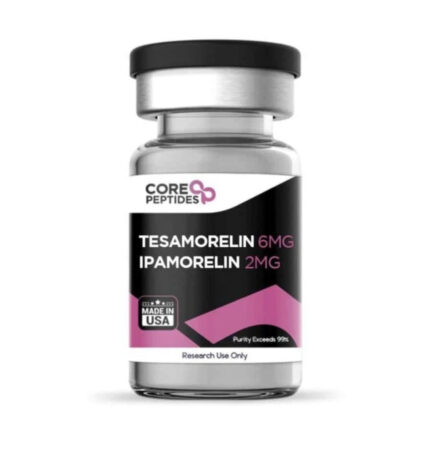
Tesamorelin & Ipamorelin Blend (8mg)
Tesamorelin 6 mg / Ipamorelin 2 mg is a research-grade lyophilized peptide blend engineered for high-purity laboratory applications. Each vial contains an 8 mg total blend (6 mg Tesamorelin / 2 mg Ipamorelin), third-party HPLC-tested to guarantee over 99% purity and manufactured in the USA under strict standards. Formulated specifically for research investigating dual GHRH and GHSR receptor activation, visceral fat metabolism, and endocrine signaling pathways, this product is strictly intended for research use only.
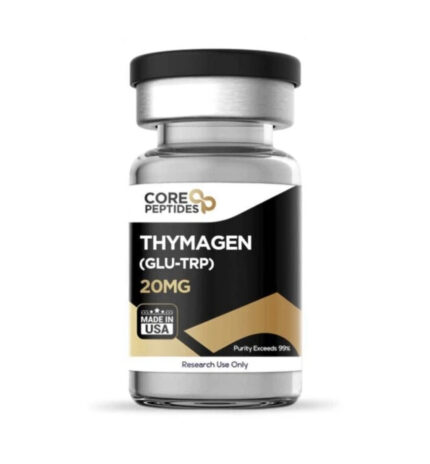
Thymagen Peptide (20mg)
Thymagen 20 mg provides a high-purity, laboratory-verified lyophilized peptide manufactured under strict quality control standards in the USA. Formulated with 20 mg of pure Thymagen—a synthetic dipeptide bioregulator consisting of L-glutamic acid and L-tryptophan (Glu-Trp)—this compound is widely utilized in immunology, molecular biology, and epigenetic research examining T-cell activation, chromatin structure modification, and immune system homeostasis regulation.
Key Specifications
Active Compound: Thymagen (L-Glutamyl-L-Tryptophan / Glu-Trp)
Chemical Formula: \text{C}_{16}\text{H}_{19}\text{N}_{3}\text{O}_{5}
Concentration: 20 mg per vial
Purity Standard: Exceeds 99% (Third-Party HPLC Verified)
Formulation: Sterile Lyophilized Powder
Origin: Manufactured in USA
Classification: Research Use Only
Primary Research Applications
Immune Response Modulation: Thymagen is extensively evaluated for its ability to regulate cellular immune activity, restore suppressed T-lymphocyte proliferation, and balance helper-to-suppressor T-cell ratios.
Epigenetic & Gene Expression Regulation: Studied in cell biology models for its capacity to interact with histone proteins and DNA sequences, influencing gene expression associated with protein synthesis and immune cell differentiation.
Tissue Regeneration & Stress Resistance: Investigated for its protective effects on hemopoiesis, resistance to oxidative injury, and systemic recovery mechanisms following toxic or infectious immune suppression.
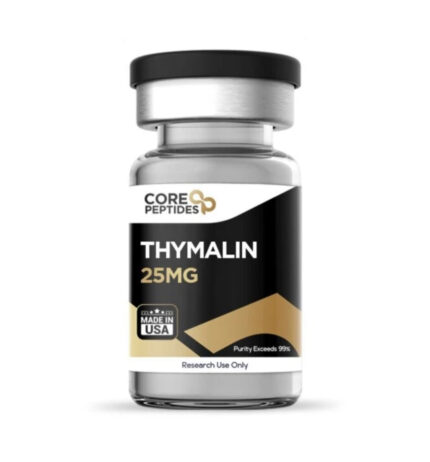
Thymalin Peptide (25mg)
Thymalin peptide 25 mg provides a high-purity, laboratory-verified lyophilized peptide manufactured under strict quality control standards in the USA. Formulated with 25 mg of pure Thymalin—a synthetic bioregulator peptide complex derived from thymic polypeptide fraction research—this compound is widely utilized in immunology, endocrinology, and biogerontology research examining T-lymphocyte differentiation, immune system homeostasis, and neuroendocrine-immune interactions.
Key Specifications
Active Compound: Thymalin (Thymic Peptide Bioregulator)
Chemical Structure: Synthetic Thymic Dipeptide Complex (Lys-Glu / Glu-Trp analogs)
Concentration: 25 mg per vial
Purity Standard: Exceeds 99% (Third-Party HPLC Verified)
Formulation: Sterile Lyophilized Powder
Origin: Manufactured in USA
Classification: Research Use Only
Primary Research Applications
Immunomodulation & T-Cell Maturation: Thymalin is studied for its ability to regulate T-lymphocyte differentiation, restore helper/suppressor T-cell ratios (CD4^+/CD8^+), and stimulate cellular immunity markers.
Thymic Involution & Immune Restoration: Evaluated in age-related immune dysfunction and immunosenescence models to measure restored thymic secretory capacity and cytokine balance.
Neuroendocrine-Immune Axis Regulation: Extensively investigated in peptide bioregulator research for its role in normalizing neuroendocrine response, pineal-thymus interaction, and gene expression pathways during chronic stress or pathology.
Reviews
There are no reviews yet.