






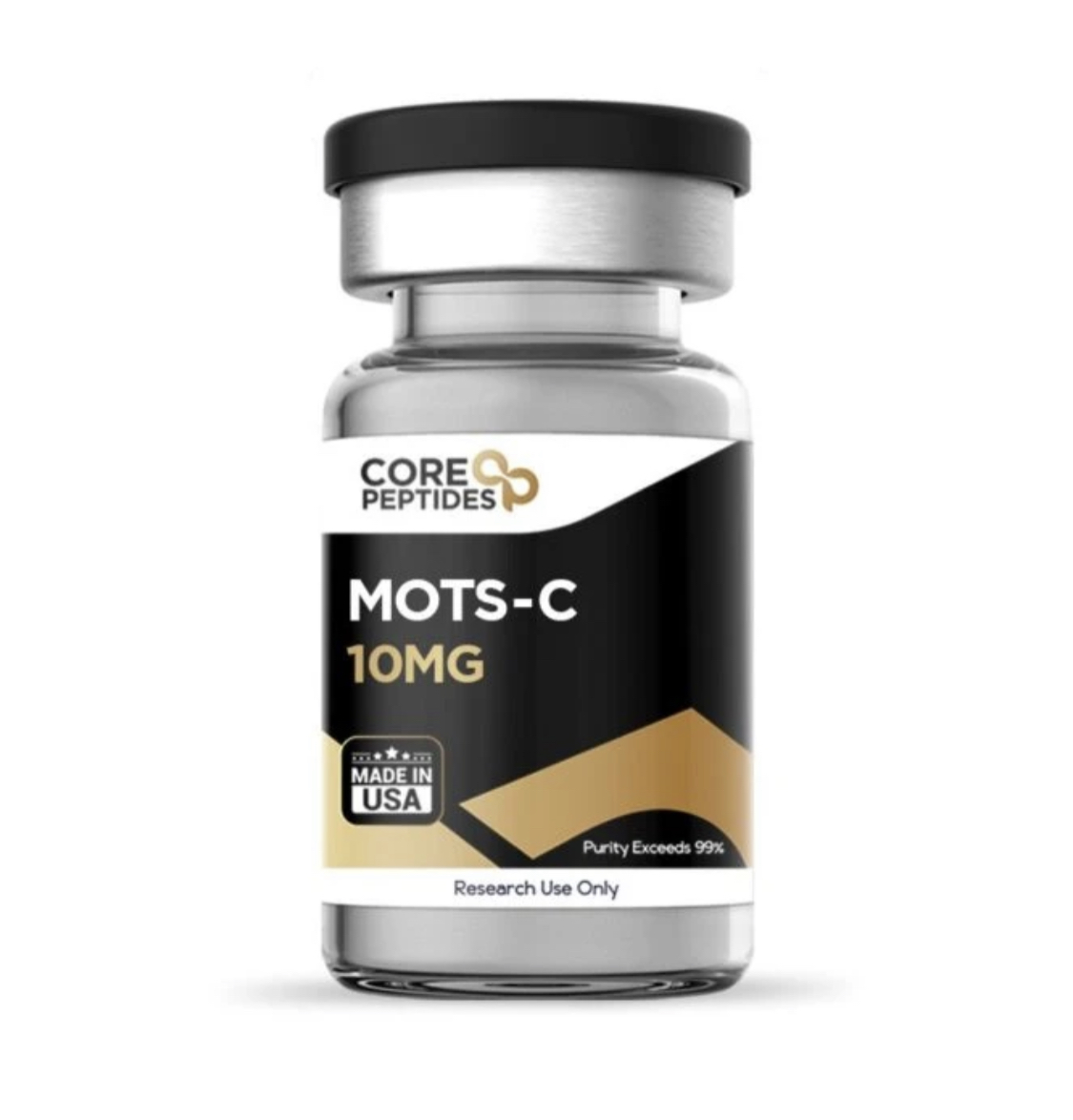













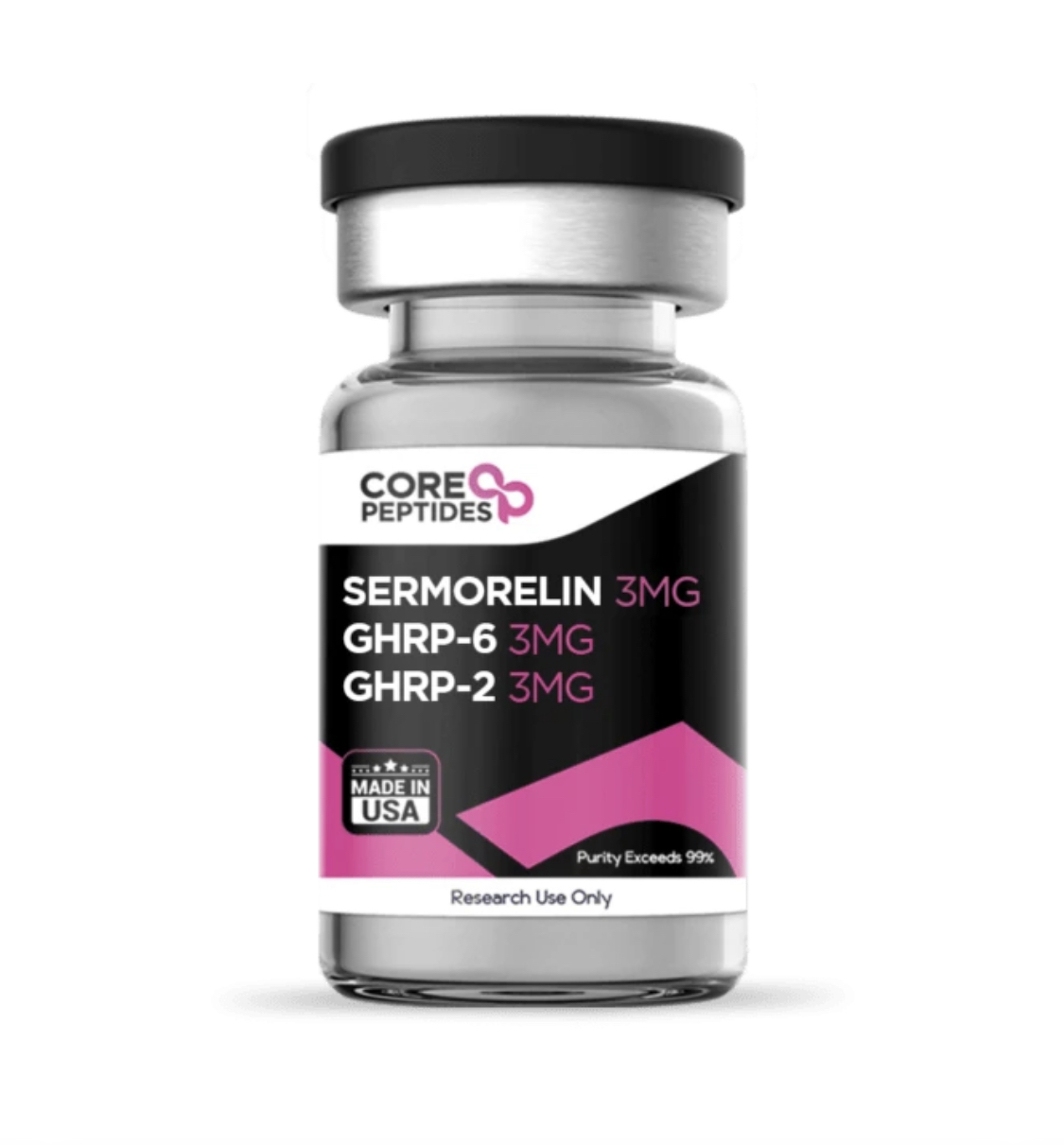
Sermorelin & GHRP-6 & GHRP-2 Blend (9mg)
$85.00
Sermorelin 5 mg / GHRP-2 5 mg provides a high-purity, laboratory-verified lyophilized peptide blend manufactured under strict quality control standards in the USA. Formulated as a dual-action secretagogue complex, each vial combines 5 mg of Sermorelin (a synthetic 29-amino-acid analog of Growth Hormone-Releasing Hormone) with 5 mg of GHRP-2 (Growth Hormone-Releasing Peptide-2, a synthetic ghrelin receptor agonist). This blend is widely utilized in endocrinology, somatotropic axis dynamics, and metabolic research examining synergistic GH pulse amplification, pituitary somatotroph receptor interaction, and circulating IGF-1 elevation.
Key Specifications
Active Compounds: Sermorelin (GHRH 1-29) & GHRP-2 (Pralmorelin)
Blend Ratio / Concentration: 5 mg Sermorelin + 5 mg GHRP-2 (10 mg total per vial)
Chemical Formulas: \text{C}_{149}\text{H}_{246}\text{N}_{44}\text{O}_{42} (Sermorelin) / \text{C}_{45}\text{H}_{55}\text{N}_{9}\text{O}_{6} (GHRP-2)
Purity Standard: Exceeds 99% (Third-Party HPLC Verified)
Formulation: Sterile Lyophilized Powder
Origin: Manufactured in USA
Classification: Research Use Only
Primary Research Applications
Dual-Mechanism GH Secretion Synergy: Combines GHRH receptor stimulation (Sermorelin) with ghrelin/growth hormone secretagogue receptor (GHS-R) binding (GHRP-2) to analyze supra-additive pituitary growth hormone pulsatility.
Somatotropic Axis & IGF-1 Dynamics: Extensively evaluated in endocrine research models measuring downstream serum IGF-1 upregulation, nitrogen retention, and cellular protein synthesis signaling.
Metabolic Rate & Lipid Oxidation: Investigated in body composition models to assess lipolysis mechanisms, visceral fat metabolism, and recovery dynamics following cellular stress.
Sermorelin & GHRP-2 & GHRP-6 Blend
Blending the peptides Sermorelin, GHRP-2, and GHRP-6 may be practical for researchers aiming to investigate the potential of stimulating pituitary cells (somatotrophs) via multiple pathways. Specifically, these three peptides appear to interact with pituitary cells via different receptors.
Sermorelin is a research peptide made of 29 amino acids that is a shortened version of the endogenous 44 amino acid structure of Growth Hormone-Releasing Hormone (GHRH). Similar to its endogenous counterpart, Sermorelin appears to interact with the cells via the GHRH-receptor, which is also considered the main receptor for stimulating growth hormone (hGH) release from the pituitary cells.
GHRP-2 and GHRP-6 are fully synthetic peptides that are posited as growth hormone secretagogues (GHSs) as they appear to interact with another set of receptors on the somatotrophs. Specifically, those are the growth hormone secretagogue receptors type 1a (GHS-R1a), which also respond to the hormone ghrelin. Despite sharing no homology with ghrelin, GHRP-2 and GHRP-6 appear to reliably activate the GHS-R1a and also stimulate hGH release from the pituitary cells. Several experiments suggest that simultaneously activating the GHS-R1a and GHRH receptors may produce combined and synergistic actions.
Chemical Makeup
Other Known Titles
- Sermorelin: GRF 1-29 NH2
- GHRP-2: pralmorelin
- GHRP-6: SKF-110679, growth hormone-releasing hexapeptide
Molecular Weight:
- Sermorelin: 93 g/mol
- GHRP-2: 97 g/mol
- GHRP-6: 03 g/mol
Molecular Formula:
- Sermorelin: C149H246N44O42S
- GHRP-2: C45H55N9O6
- GHRP-6: C46H56N12O6
Research and Clinical Studies
Sermorelin & GHRP-2 & GHRP-6 Receptor Interactions
According to research by Clark et al., Sermorelin appears to interact with the GHRH receptors.(1) This is allowed by its structure as it is the shortest functional analog of endogenous GHRH with a C-terminal amidation that may help stabilize the molecule. According to studies by Culhane et al., it appears to activate the GHRH receptors through several steps, which may involve the activation of an intracellular messenger called cyclic AMP (cAMP) and the kinase PKA (protein kinase A), which together may switch on the cellular machinery that synthesizes and releases hGH.(2) There does not appear to be desensitization according to the available laboratory research. The resulting hGH synthesis may have direct and indirect actions. The indirect may be via its anabolic mediator IGF-1 (insulin-like growth factor-1), which is produced in other tissue cells when they are presented with hGH.
GHRP-2 and GHRP-6 appear to interact with the GHS-R1a, also referred to as the ghrelin receptors. However, these two hexapeptides have no similarities with ghrelin in terms of structure, as highlighted by the work of Bowers et al in 2012.(3) Furthermore, laboratory research by Yin et al. suggests that they may exert a chain of intracellular cascades and events in somatotrophs by interacting with these receptors.
Researchers posit that GHRP-2 and GHRP-6 may activate the receptors by interacting with the enzyme phospholipase C (PLC), which cuts a specific membrane molecule (PIP₂) into two smaller signaling molecules called IP₃ and DAG. The latter may help switch on another enzyme family called protein kinase C (PKC), which is posited to interact with protein synthesis related to hGH synthesis. On the other hand, IP₃ appears to interact with the internal calcium stores of pituitary cells, causing Ca²⁺ to be released into the cytoplasm, which may then release hGH molecules out of the pituitary cells.
Sermorelin & GHRP-2 & GHRP-6 and hGH Synthesis
Laboratory work in pituitary cell models suggests that exposing somatotrophs to Sermorelin may upregulate hGH synthesis, although the specific action size varies between studies. For example, in an experiment reported by Vittone et al., the mean 12-hour growth hormone concentrations were described as rising about 2-fold from about 1.1 ± 0.9 µg/L to roughly 2.2 ± 1.9 µg/L.(5) The cumulative hGH output for these 12 hours also appeared to increase 2-fold, from around 1,114 ± 931 to about 2,032 ± 1,728 µg·min/L. Additional work by Khorram et al. suggests that the increase may particularly occur during the first 2 hours of exposure, while longer windows may blend early peaks with later, lower-amplitude release.(6) They employed a slightly modified Sermorelin molecule. They described that the 2-hour integrated growth hormone signal appeared to shift from roughly 200–300 to about 1,100–1,600 µg·L⁻¹·min, which is close to a sixfold rise.
GHRP-2 and GHRP-6 also appear to induce short-term peaks in hGH levels. For example, older research by Bowers et al. from 2004 suggests that under continuous 24-hour evaluation, GHRP-2 may also increase growth hormone production from approximately 20–30 µg·L⁻¹·24 h in placebo controls to about 120–180 µg·L⁻¹·24 h with GHRP-2, suggesting an estimated 4- to 6-fold increase. On the other hand, research by Micic et al. investigated peak growth hormone responses of pituitary cells after stimulation with GHRP-6 and reportedly observed a rise from basal 1–2 mU/L to around 60 mU/L.(8) Based on this data, the peptide may induce peaks that exceed 3-fold the typical physiological peaks that may reach about 20 mU/L. Indeed, the researchers also commented that “GH responses to GHRP-6 are much greater than to GHRH”.
Sermorelin & GHRP-2 & GHRP-6 and Anabolic Signaling
Based on the aforementioned publications by Khorram et al. and the research by Bowers et al., from 2004 suggest that the peptides may induce a significant stimulation of hGH synthesis in pituitary cells that may then prove to be sufficient to induce IGF-1 synthesis in nearby cell cultures.(6)(7) More specifically, Khorram et al. suggested that there has been about a 27–28% increase in IGF-1 synthesis following Sermorelin experimentation. With the GHRP-2 exposure for 24 hours, Bowers et al. suggested that the IGF-1 levels may have increased from 90–100 µg/L to approximately 150–160 µg/L, which is equal to roughly a 50–80% increase. Unfortunately, the GHRP-6 experiment by Micic et al. was too short to report any data on IGF-1 synthesis.(8)
Sermorelin & GHRP-2 & GHRP-6 and Synergistic Actions
Blending Sermorelin with GHRP-2 and GHRP-6 is often framed as a practical way to evaluate dual-receptor stimulation in somatotroph systems. When both receptor families are activated at the same time, several experimental datasets suggest that growth hormone output may rise beyond what is seen with either pathway alone, which is compatible with additive or synergistic coupling at the level of pituitary signaling.
Unfortunately, most of the experiments have evaluated GHRP-2 or GHRP-6 with full-length GHRH rather than Sermorelin, but such results are valuable for future research. For example, the pituitary models described by Micic et al. reveal that GHRP-6 alone was associated with a peak growth hormone response around 60 mU/L, while the combination of GHRP-6 with full-length GHRH was reported to raise the peak to roughly 140 mU/L, or 7-fold higher than the highest physiological peaks.(8) Cordido et al. also suggested that GHRP-6 alone produced an average peak around 6 mU/L, while the GHRH analogue alone produced a smaller peak near 2.6 mU/L. When both secretagogues were applied together, the peak rose to about 16.3 mU/L. Their integrated 12-hour data followed the same direction. The reported 12-hour growth hormone exposure was around 260 mU·min/L with GHRP-6 alone and about 159 mU·min/L with the GHRH analogue alone, but increased to roughly 729 mU·min/L when the two were combined.(9)
Comparable synergy signals have been reported for GHRP-2 when combined with endogenous, full-length GHRH in experimental pituitary systems. In the work by Veldhuis et al., each peptide produced a large outcome on its own. However, the combination still yielded an extra increment. (10) In their models, GHRH alone was estimated to raise growth hormone burst output by roughly 20-fold over baseline. At the same time, GHRP-2 alone was associated with an even larger rise, around 47-fold. When both stimuli were present, the calculated response increased to about 54-fold above saline, which corresponds to a modest additional gain over GHRP-2 alone. The aforementioned 2004 research on GHRP-2 by Bowers et al. also included GHRH co-evaluation and concluded that the “combined GHRP-2 and GHRH drive is more effective than either agonist alone.””
Currently, only the research by Sigalos et al. evaluated a combination of Sermorelin with both GHRP-2 and GHRP-6.(11) Their findings suggest an upward shift in IGF-1 from baseline values around 160 ng/mL to roughly 250–265 ng/mL, which corresponds to an apparent 1.6-fold increase. Because the design involved multiple peptides and did not isolate each contribution, the data do not map cleanly onto a single receptor-pair interaction. Still, the direction of change is compatible with the broader observation that GHRH-receptor input and GHS-R1a input may cooperate to increase downstream hGH output.
REFERENCE
- Bowers, C. Y., Granda, R., Mohan, S., Kuipers, J., Baylink, D., & Veldhuis, J. D. (2004). Sustained elevation of pulsatile growth hormone (GH) secretion and insulin-like growth factor I (IGF-I), IGF-binding protein-3 (IGFBP-3), and IGFBP-5 concentrations during 30-day continuous subcutaneous infusion of GH-releasing peptide-2 in older men and women. The Journal of clinical endocrinology and metabolism, 89(5), 2290–2300. https://doi.org/10.1210/jc.2003-031799


Related products
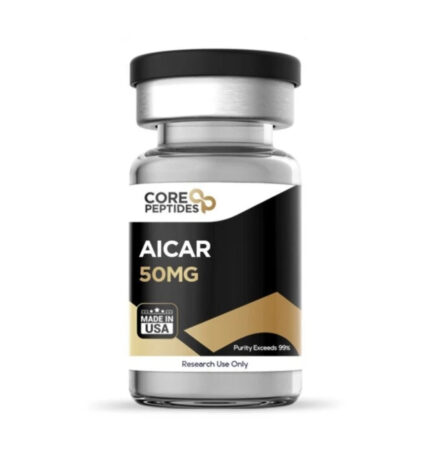
AICAR Peptide (50mg)
AICAR 50 mg provides a high-purity, laboratory-verified lyophilized compound manufactured under strict quality control standards in the USA. Formulated with 50 mg of pure AICAR (5-Aminoimidazole-4-carboxamide ribonucleotide) per vial, this synthetic adenosine analog is widely utilized in cellular, metabolic, and exercise physiology research investigating AMP-activated protein kinase (AMPK) activation, cellular energy homeostasis, and mitochondrial biogenesis pathways.
Key Specifications
Active Compound: AICAR (Acadesine / AICA Riboside)
Chemical Formula: \text{C}_{9}\text{H}_{15}\text{N}_{4}\text{O}_{8}\text{P}
Concentration: 50 mg per vial
Purity Standard: Exceeds 99% (Third-Party HPLC Verified)
Formulation: Sterile Lyophilized Powder
Origin: Manufactured in USA
Classification: Research Use Only
Primary Research Applications
AMP-Activated Protein Kinase (AMPK) Activation: AICAR is intracellularly phosphorylated into ZMP, an AMP mimic that directly activates AMPK without altering cellular ATP/ADP ratios, facilitating targeted metabolic research.
Mitochondrial Biogenesis & Endurance Pathways: Applied in cell cultures to analyze upregulated PGC-1$\alpha$ signaling, glucose uptake enhancement, and lipid oxidation mechanisms.
Ischemic & Cellular Energy Homeostasis Studies: Extensively investigated in cardiac and skeletal muscle models measuring metabolic adaptation, cellular stress response, and insulin sensitivity.
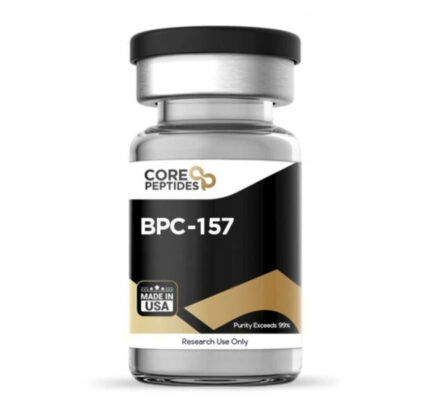
BPC-157 (10 mg)
BPC-157 (10mg) is a high-purity (≥98%) research-grade pentadecapeptide extensively studied for its powerful tissue regeneration, tendon healing, and gut mucosa protective properties. Supplied as a stable lyophilized powder, every batch undergoes strict HPLC and Mass Spectrometry testing to guarantee maximum purity and reliable research results.
For research and laboratory use only. Not for human consumption.
DSIP (5mg)
DSIP 5 mg provides a high-purity, laboratory-verified lyophilized peptide manufactured under strict quality control standards in the USA. Formulated with 5 mg of pure Delta Sleep-Inducing Peptide (Trp-Ala-Gly-Gly-Asp-Ala-Ser-Gly-Glu)—a naturally occurring nonapeptide found in the brain and systemic circulation—this compound is widely utilized in neurobiology, endocrinology, and sleep architecture research investigating slow-wave sleep induction, stress response adaptation, and neuroendocrine regulation.
Key Specifications
Active Compound: Delta Sleep-Inducing Peptide (DSIP)
Chemical Formula: \text{C}_{35}\text{H}_{48}\text{N}_{10}\text{O}_{15}
Concentration: 5 mg per vial
Purity Standard: Exceeds 99% (Third-Party HPLC Verified)
Formulation: Sterile Lyophilized Powder
Origin: Manufactured in USA
Classification: Research Use Only
Primary Research Applications
Sleep Architecture & Delta Wave Induction: DSIP is extensively studied for its capacity to induce slow-wave (delta) EEG activity, providing valuable insights into non-REM sleep regulation and circadian rhythm dynamics.
Stress Response & ACTH Modulation: Applied in neuroendocrine models to evaluate its inhibitory action on stress-induced corticotropin (ACTH) release and adrenal axis stabilization.
Analgesic & Antioxidant Activity: Investigated for its potential neuromodulatory mechanisms in modulating central pain perception and protecting cellular structures against oxidative damage.
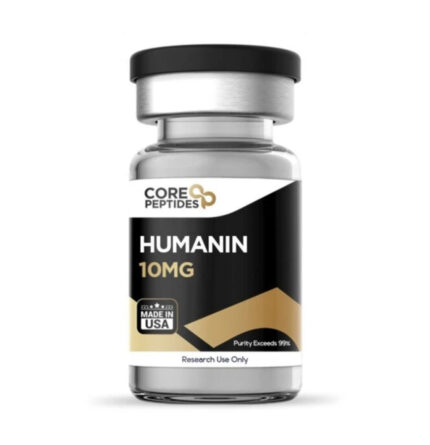
Humanin (10mg)
Humanin 10 mg provides a high-purity, laboratory-verified lyophilized peptide manufactured under strict quality control standards in the USA. Formulated with 10 mg of pure Humanin—a naturally occurring 24-amino-acid micropeptide encoded within the mitochondrial genome (16S rRNA)—this compound is widely utilized in cellular biology, metabolic health, and neurodegenerative disease research investigating cytoprotective mechanisms, oxidative stress regulation, and insulin sensitivity pathways.
Key Specifications
Active Compound: Humanin (HN)
Chemical Formula: \text{C}_{119}\text{H}_{204}\text{N}_{34}\text{O}_{35}\text{S}_{2}
Concentration: 10 mg per vial
Purity Standard: Exceeds 99% (Third-Party HPLC Verified)
Formulation: Sterile Lyophilized Powder
Origin: Manufactured in USA
Classification: Research Use Only
Primary Research Applications
Cytoprotection & Anti-Apoptotic Pathways: Humanin is studied for its ability to suppress Bax-mediated apoptosis, protecting various cell lines against programmed cell death triggered by toxic insults.
Neuroprotective Dynamics: Extensively evaluated in Alzheimer’s disease and neurodegenerative models to analyze its role in mitigating amyloid-beta (A\beta) cytotoxicity and preserving neuronal function.
Mitochondrial & Metabolic Homeostasis: Investigated for its regulatory actions on insulin sensitivity, glucose metabolism, and cellular homeostasis under conditions of metabolic stress.
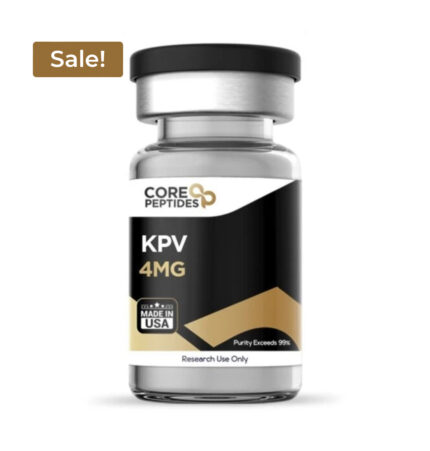
KPV Peptide (4mg)
KPV Peptide 4 mg provides a high-purity, laboratory-verified lyophilized peptide manufactured under strict quality control standards in the USA. Formulated with 4 mg of pure KPV (Lysine-Proline-Valine)—the C-terminal tripeptide fragment of alpha-melanocyte-stimulating hormone (\alpha\text{-MSH})—this compound is widely utilized in gastroenterology, immunology, and dermatology research investigating inflammatory bowel disease (IBD) suppression, antimicrobial signaling, and NF-\kappa\text{B} pathway downregulation.
Key Specifications
Active Compound: KPV (Lysine-Proline-Valine / \alpha\text{-MSH}_{11-13})
Chemical Formula: \text{C}_{16}\text{H}_{30}\text{N}_{4}\text{O}_{4}
Concentration: 4 mg per vial
Purity Standard: Exceeds 99% (Third-Party HPLC Verified)
Formulation: Sterile Lyophilized Powder
Origin: Manufactured in USA
Classification: Research Use Only
Primary Research Applications
Gastrointestinal Anti-Inflammatory Modulation: KPV is extensively studied in intestinal inflammation models for its ability to penetrate mucosal epithelial cells and inhibit nuclear factor kappa B (NF-\kappa\text{B}) translocation, reducing colonic tissue damage.
Antimicrobial & Anti-Fungal Activity: Evaluated in cellular microbiology models for direct antimicrobial properties against pathogen strains, including Candida albicans and Staphylococcus aureus.
Dermatological & Tissue Repair: Investigated in wound healing and inflammatory skin condition models to suppress pro-inflammatory cytokine expression (\text{IL-6}, \text{TNF-}\alpha) without inducing melanogenesis.
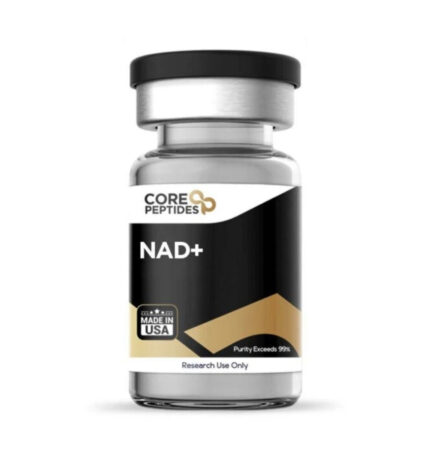
NAD+ Peptide (750 mg)
NAD+ Peptide 750 mg provides a high-purity, laboratory-verified lyophilized coenzyme manufactured under strict quality control standards in the USA. Formulated with 750 mg of pure Nicotinamide Adenine Dinucleotide (\text{NAD}^+) per vial, this essential coenzyme is widely utilized in cellular biology, metabolic pathways, and anti-aging research examining mitochondrial oxidative phosphorylation, sirtuin enzyme activation, PARP-mediated DNA repair, and intracellular redox homeostasis.
Key Specifications
Active Compound: \text{NAD}^+ (Nicotinamide Adenine Dinucleotide)
Chemical Formula: \text{C}_{21}\text{H}_{27}\text{N}_{7}\text{O}_{14}\text{P}_{2}
Concentration: 750 mg per vial
Purity Standard: Exceeds 99% (Third-Party HPLC Verified)
Formulation: Sterile Lyophilized Powder
Origin: Manufactured in USA
Classification: Research Use Only
Primary Research Applications
Mitochondrial ATP Production & Electron Transport: Functions as a critical electron acceptor in glycolysis and the citric acid cycle, making it essential for research into cellular respiration kinetics and energy production efficiency.
Sirtuin (SIRT1–SIRT7) & PARP Activation: Serves as a required substrate for sirtuins and poly(ADP-ribose) polymerases (PARPs), enabling investigation into genomic stability, chromatin remodeling, and longevity signaling pathways.
Cellular Senescence & Metabolic Homeostasis: Widely applied in age-related research models measuring declining pool concentrations, oxidative stress mitigation, and systemic metabolic function restoration.
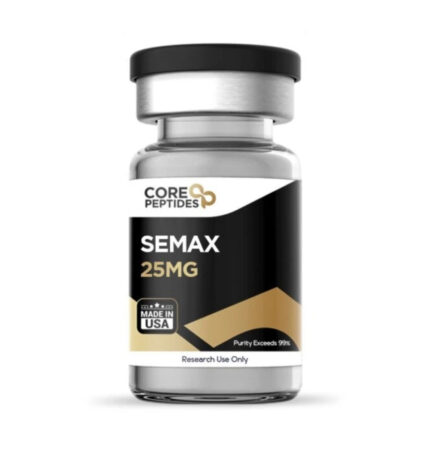
Semax (25mg)
Semax (25mg) is a premium research-grade synthetic heptapeptide (≥98% purity) studied for its potent neuroprotective, memory-enhancing, and BDNF-boosting properties. Supplied as a stable, lyophilized powder, every batch is HPLC and Mass Spectrometry verified to ensure maximum purity and consistency for laboratory investigation.
For research and laboratory use only. Not for human consumption.
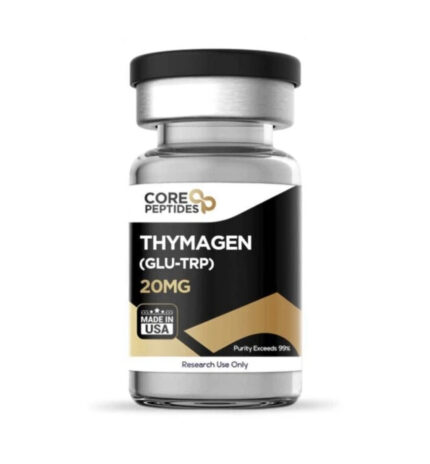
Thymagen Peptide (20mg)
Thymagen 20 mg provides a high-purity, laboratory-verified lyophilized peptide manufactured under strict quality control standards in the USA. Formulated with 20 mg of pure Thymagen—a synthetic dipeptide bioregulator consisting of L-glutamic acid and L-tryptophan (Glu-Trp)—this compound is widely utilized in immunology, molecular biology, and epigenetic research examining T-cell activation, chromatin structure modification, and immune system homeostasis regulation.
Key Specifications
Active Compound: Thymagen (L-Glutamyl-L-Tryptophan / Glu-Trp)
Chemical Formula: \text{C}_{16}\text{H}_{19}\text{N}_{3}\text{O}_{5}
Concentration: 20 mg per vial
Purity Standard: Exceeds 99% (Third-Party HPLC Verified)
Formulation: Sterile Lyophilized Powder
Origin: Manufactured in USA
Classification: Research Use Only
Primary Research Applications
Immune Response Modulation: Thymagen is extensively evaluated for its ability to regulate cellular immune activity, restore suppressed T-lymphocyte proliferation, and balance helper-to-suppressor T-cell ratios.
Epigenetic & Gene Expression Regulation: Studied in cell biology models for its capacity to interact with histone proteins and DNA sequences, influencing gene expression associated with protein synthesis and immune cell differentiation.
Tissue Regeneration & Stress Resistance: Investigated for its protective effects on hemopoiesis, resistance to oxidative injury, and systemic recovery mechanisms following toxic or infectious immune suppression.
Reviews
There are no reviews yet.