





















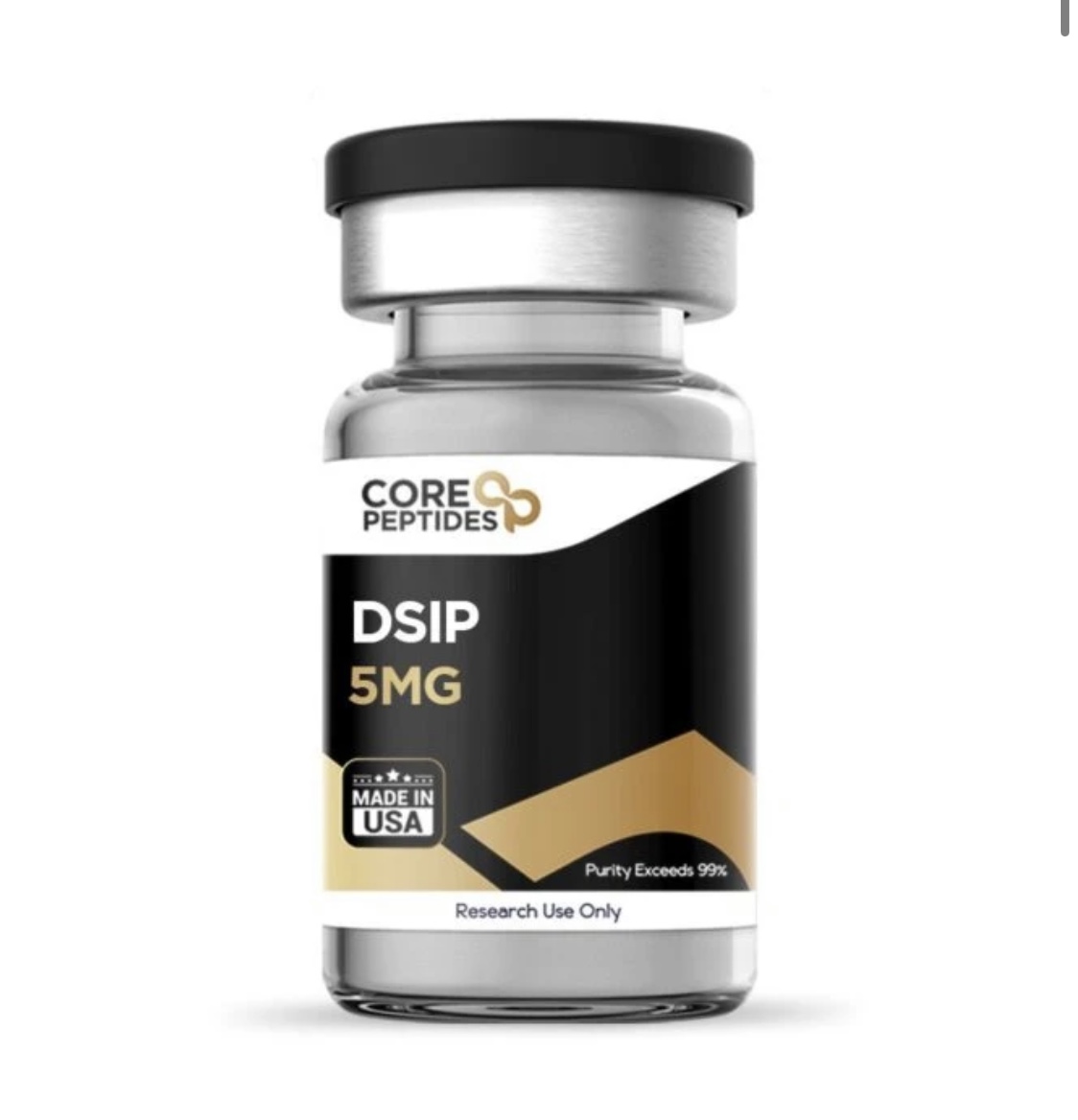
DSIP (5mg)
$41.00
DSIP 5 mg provides a high-purity, laboratory-verified lyophilized peptide manufactured under strict quality control standards in the USA. Formulated with 5 mg of pure Delta Sleep-Inducing Peptide (Trp-Ala-Gly-Gly-Asp-Ala-Ser-Gly-Glu)—a naturally occurring nonapeptide found in the brain and systemic circulation—this compound is widely utilized in neurobiology, endocrinology, and sleep architecture research investigating slow-wave sleep induction, stress response adaptation, and neuroendocrine regulation.
Key Specifications
Active Compound: Delta Sleep-Inducing Peptide (DSIP)
Chemical Formula: \text{C}_{35}\text{H}_{48}\text{N}_{10}\text{O}_{15}
Concentration: 5 mg per vial
Purity Standard: Exceeds 99% (Third-Party HPLC Verified)
Formulation: Sterile Lyophilized Powder
Origin: Manufactured in USA
Classification: Research Use Only
Primary Research Applications
Sleep Architecture & Delta Wave Induction: DSIP is extensively studied for its capacity to induce slow-wave (delta) EEG activity, providing valuable insights into non-REM sleep regulation and circadian rhythm dynamics.
Stress Response & ACTH Modulation: Applied in neuroendocrine models to evaluate its inhibitory action on stress-induced corticotropin (ACTH) release and adrenal axis stabilization.
Analgesic & Antioxidant Activity: Investigated for its potential neuromodulatory mechanisms in modulating central pain perception and protecting cellular structures against oxidative damage.
 DSIP (Delta Sleep-Inducing Peptide)
Delta Sleep-Inducing Peptide, or DSIP, is a naturally-occurring peptide made of nine amino acids, isolated from the central nervous system of experimental models of electrically induced sleep. DSIP is posited to regulate the sleep cycle, as suggested by its name, but may also play a role in regulating various physiological processes. Suggested to induce delta sleep in test models, this neuropeptide also appears to impact electrophysiological activity and possibly regulate the neurotransmitter levels in the brain.(1)
DSIP peptide was first characterized and examined from 1963 to 1977 and has since been widely studied by scientists.(2) Initially regarded only for its potential as a sleep-including factor, DSIP was soon suggested to induce other potential actions, such as mitigating pain, sleep cycle regulation, and mitigating withdrawal.(3)
Mechanisms of Action
DSIP is believed to have the potential to modify the structure and quality of sleep by engaging with the central nervous system. It is thought that DSIP may potentially reduce the time it takes to fall asleep and enhance the overall quality of sleep by influencing the activity of various neurotransmitters within the brain. Despite these possibilities, scientific research has yet to definitively identify the primary mechanisms and pathways through which DSIP exerts its actions. However, it is hypothesized that DSIP may target several specific receptors, which are considered crucial in its function. These include:
- N-methyl-D-aspartate (NMDA) receptors and gamma-aminobutyric acid (GABA) receptors: NMDA receptors are linked to glutamate, a vital neurotransmitter that facilitates brain excitation, while GABA receptors are associated with inhibitory neurotransmission, playing a significant role in calming the brain. Research conducted on murine models has suggested that DSIP might amplify GABA’s calming actions, which assists in reducing brain activity and helps individuals fall asleep more easily. Concurrently, murine studies suggest that DSIP may dampen some of the stimulatory impacts of NMDA receptors, thereby decreasing overall brain stimulation and further aiding in sleep promotion.(4)(5)
- Opioid receptors: Further research indicates that DSIP might indirectly affect opioid receptors in the brain. This interaction is believed to influence the peptide’s ability to modulate sleep and alleviate withdrawal symptoms, highlighting its complex involvement in the brain’s signaling systems.(6)(7)
- Alpha 1-adrenergic receptor: This receptor, apparently found in the pineal gland, has been another focus of DSIP research. An experimental study has suggested that DSIP’s modulation of the alpha 1-adrenergic receptor could be a mechanism through which it affects sleep patterns. This interaction also hints at DSIP’s potential role in managing stress tolerance, given the significant influence of alpha 1-adrenergic signaling in stress-related processes.(8)
These findings underline the complex and multifaceted ways in which DSIP might influence sleep and stress management, although more research is needed to understand its mechanisms of action.
Chemical Makeup
Molecular Formula: C35H48N10O15
Molecular Weight: 848.82 g/mol
Other Known Titles: DSIP nonapeptide; emideltide
Research and Clinical Studies
DSIP and Sleep Cycles
A study(9) was conducted on feline models to examine the potential action of DSIP on sleep patterns. The models were divided into two groups; one was a control, and the other was labeled as the DSIP group. The peptide was presented to the cats and was monitored for 8 hours. Results indicated that there appeared to be a significant increase in total sleep and slow wave sleep (SWS) in the DSIP group. The action of DSIP appeared to be immediate as the amount of SWS sleep elevated within the first hour following study initiation. This increase appeared to be maintained for 7 hours and then decreased in the eighth hour. SWS, often called deep sleep, is suggested as one of the core stages within sleep architecture, broadly categorized into non-rapid eye movement (NREM) sleep and rapid eye movement (REM) sleep. The overall structure of sleep is typically cyclic, alternating between NREM and REM stages multiple times. Apparently, SWS falls under the NREM category and scientists detect it by its low-frequency, high-amplitude delta waves evident in electroencephalogram (EEG) recordings. Sleep begins with NREM sleep, subdivided into three stages: N1, N2, and N3. N1 and N2 are lighter stages of sleep, while N3, synonymous with SWS, is the deepest stage of sleep. Following the deep sleep stage, the cycle progresses into REM sleep, where brain activity increases and dreams occur.
A clinical study(10) has suggested that the peptide may lead to an immediate increase in sleep pressure and resulted in a 59% increase in sleep within two hours of initiating DSIP experimentation. The scientists also posited that the peptide may have enhanced sleep efficiency, potentially by shortening sleep onset.(10)
DSIP and Endocrine Regulation
DSIP has been posited to interact with certain hormonal messengers typically released during sleep. Examples may include the luteinizing hormone (LH), which is considered a crucial hormone in the regulation of reproductive hormones such as testosterone. In a study with murine models,(11) DSIP was examined for its potential actions on the endocrine system. Within 30 minutes, it was noted that the levels of LH appeared to be significantly elevated, whereas there was no perceived impact on another regulatory messenger called follicle-stimulating hormone (FSH).
Further studies have suggested that DSIP may lead to increased secretion of growth hormone, positing that the peptide may potentially act on the hypothalamus to regulate hormonal secretion. Utilizing ovariectomized murine models to exclude the actions of gonadal steroids, the research observed an apparent elevation in GH levels caused by DSIP. The potential involvement of a dopaminergic mechanism in this process was inferred from the blocking action of pimozide, a dopamine antagonist, on the DSIP-induced GH increase. Additionally, in vitro studies with pituitary cells suggest a similar increase in GH release upon exposure to DSIP, albeit with a notable decline at higher concentrations. This pattern hints at the complex nature of DSIP’s role in GH regulation, potentially linking it to sleep-induced GH release, given the peptide’s association with slow-wave sleep patterns and the apparent correlation of such sleep phases with GH secretion.(12)
DSIP and Stress Response
Researchers have investigated the potential action of DSIP on murine models subjected to experimentally induced stress.(13) The murine models were divided into six groups, where the control group was presented with a placebo and the rest with DSIP. The six groups included (i) control group, (ii) stress group, (iii) group with DSIP one hour before stress experiments, (iv) DSIP 24 hours before stress experiments, (v) DSIP one hour before the last stress experiment and (vi) DSIP 24 hours before the last stress experiment. This research primarily focused on assessing changes in substance P, beta-endorphin, and corticosterone levels, which are critical in understanding the stress response and potential modulatory impacts of DSIP. Initial findings highlighted that DSIP exposure might induce noticeable fluctuations in the levels of these markers, suggesting a possible stress-modulatory role. For instance, there was an initial decrease followed by a dramatic increase in beta-endorphin. This pattern suggests DSIP’s potential influence on the opioidergic system, possibly contributing to mechanisms of stress mitigation or adaptation. Regarding corticosterone levels, which directly indicate stress in murine models, a decrease was noted shortly after DSIP exposure. The study posits that DSIP’s actions on substance P, beta-endorphin, and corticosterone levels are part of a broader spectrum of biochemical changes, hinting that DSIP might initiate a series of molecular reactions contributing to its stress-modulatory actions.(13)
DSIP and Longevity
A study(14) was conducted on murine models, equally divided into DSIP and control groups. The researchers suggested that DSIP did not appear to influence food intake, however, it did apparently decrease the weight of the murine models. It appeared to decrease the chromosomal aberrations in the bone marrow by 23% and improve the life span by 24% compared to the control group. Moreover, DSIP also appeared to lead to a 2.5-fold decrease in the occurrence of malignancies.
Another study suggests that the apparent protective actions of DSIP may be due to the potential antioxidative properties of the peptide. The study(15) was conducted on murine models, and the researchers posited that DSIP may inhibit the levels of malonic dialdehyde in the models. Malonic dialdehyde is a byproduct of lipid peroxidation, and increased levels of malonic dialdehyde typically induce increased oxidative stress. This suggested that DSIP may prevent lipid peroxidation in the murine models, which may execute antioxidant properties. DSIP may also stimulate the endogenous antioxidant system, influencing various enzymatic levels. The researchers commented that “DSIP exerts stimulating influence upon the superoxid-dismutese, catalase, ceruloplasmin activities as well as the level of nonenzymatic antioxidants urea and uric acids, because during organism aging the antioxidant defense systems are being suppressed. DSIP increases the volume of tissues and blood endogenous antioxidant defense system mainly by means of enzymatic antioxidant system, especially during later ontogenesis.


Related products
AICAR Peptide (50mg)
AICAR 50 mg provides a high-purity, laboratory-verified lyophilized compound manufactured under strict quality control standards in the USA. Formulated with 50 mg of pure AICAR (5-Aminoimidazole-4-carboxamide ribonucleotide) per vial, this synthetic adenosine analog is widely utilized in cellular, metabolic, and exercise physiology research investigating AMP-activated protein kinase (AMPK) activation, cellular energy homeostasis, and mitochondrial biogenesis pathways.
Key Specifications
Active Compound: AICAR (Acadesine / AICA Riboside)
Chemical Formula: \text{C}_{9}\text{H}_{15}\text{N}_{4}\text{O}_{8}\text{P}
Concentration: 50 mg per vial
Purity Standard: Exceeds 99% (Third-Party HPLC Verified)
Formulation: Sterile Lyophilized Powder
Origin: Manufactured in USA
Classification: Research Use Only
Primary Research Applications
AMP-Activated Protein Kinase (AMPK) Activation: AICAR is intracellularly phosphorylated into ZMP, an AMP mimic that directly activates AMPK without altering cellular ATP/ADP ratios, facilitating targeted metabolic research.
Mitochondrial Biogenesis & Endurance Pathways: Applied in cell cultures to analyze upregulated PGC-1$\alpha$ signaling, glucose uptake enhancement, and lipid oxidation mechanisms.
Ischemic & Cellular Energy Homeostasis Studies: Extensively investigated in cardiac and skeletal muscle models measuring metabolic adaptation, cellular stress response, and insulin sensitivity.
GHK-Cu (Copper) (50mg)
GHK-Cu (50mg) is a premium copper-binding tripeptide engineered to support advanced tissue repair, collagen synthesis, and cellular regeneration. Naturally present in human plasma, GHK-Cu levels decline with age. This potent peptide actively stimulates collagen and elastin production, accelerates wound healing, reduces fine lines, and promotes skin firmness and hair follicle restoration. Ideal for anti-aging and regenerative research applications.
Key Benefits: Boosts collagen & elastin, aids tissue remodeling, enhances skin barrier health, supports hair density.
Format: 50mg lyophilized powder (purity ≥99%).
KPV Peptide (4mg)
KPV Peptide 4 mg provides a high-purity, laboratory-verified lyophilized peptide manufactured under strict quality control standards in the USA. Formulated with 4 mg of pure KPV (Lysine-Proline-Valine)—the C-terminal tripeptide fragment of alpha-melanocyte-stimulating hormone (\alpha\text{-MSH})—this compound is widely utilized in gastroenterology, immunology, and dermatology research investigating inflammatory bowel disease (IBD) suppression, antimicrobial signaling, and NF-\kappa\text{B} pathway downregulation.
Key Specifications
Active Compound: KPV (Lysine-Proline-Valine / \alpha\text{-MSH}_{11-13})
Chemical Formula: \text{C}_{16}\text{H}_{30}\text{N}_{4}\text{O}_{4}
Concentration: 4 mg per vial
Purity Standard: Exceeds 99% (Third-Party HPLC Verified)
Formulation: Sterile Lyophilized Powder
Origin: Manufactured in USA
Classification: Research Use Only
Primary Research Applications
Gastrointestinal Anti-Inflammatory Modulation: KPV is extensively studied in intestinal inflammation models for its ability to penetrate mucosal epithelial cells and inhibit nuclear factor kappa B (NF-\kappa\text{B}) translocation, reducing colonic tissue damage.
Antimicrobial & Anti-Fungal Activity: Evaluated in cellular microbiology models for direct antimicrobial properties against pathogen strains, including Candida albicans and Staphylococcus aureus.
Dermatological & Tissue Repair: Investigated in wound healing and inflammatory skin condition models to suppress pro-inflammatory cytokine expression (\text{IL-6}, \text{TNF-}\alpha) without inducing melanogenesis.
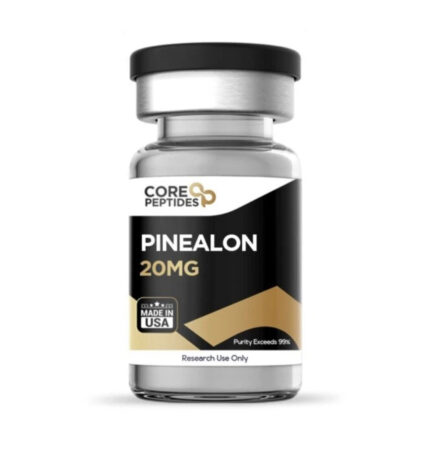
Pinealon Peptide (20mg)
Pinealon Peptide 20 mg is a research-grade lyophilized tripeptide engineered for high-purity laboratory applications. Each vial contains 20 mg of HPLC-verified Pinealon, third-party tested to guarantee over 99% purity and manufactured in the USA under strict standards. Formulated specifically for research investigating neuroprotection, pineal gene expression, and cognitive function optimization, this product is strictly intended for research use only.
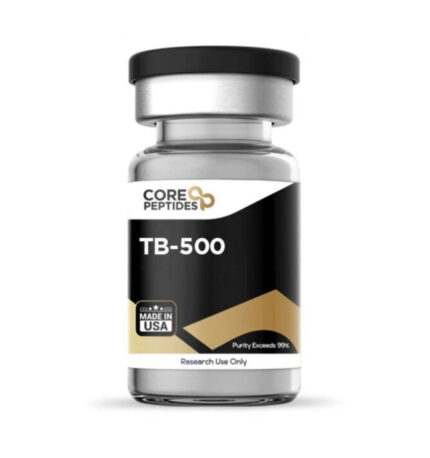
TB-500 (Thymosin Beta 4) 10 mg
TB-500 provides a high-purity, laboratory-verified lyophilized peptide manufactured under strict quality control standards in the USA. Formulated with pure TB-500 (a synthetic region of the naturally occurring peptide Thymosin Beta-4), this compound is widely utilized in cellular, vascular, and tissue engineering research investigating actin sequestration, cell migration, angiogenesis, and repair pathways in connective tissue models.
Key Specifications
Active Compound: TB-500 (Thymosin Beta-4 Fragment)
Purity Standard: Exceeds 99% (Third-Party HPLC Verified)
Formulation: Sterile Lyophilized Powder
Origin: Manufactured in USA
Classification: Research Use Only
Primary Research Applications
Actin Sequestration & Cytoskeletal Dynamics: TB-500 binds to G-actin to regulate actin polymerization, making it a valuable tool for studying cellular structure reorganization, motility, and wound healing kinetics.
Angiogenesis & Vascular Remodeling: Evaluated in endothelial cell assays to analyze new blood vessel formation, endothelial cell migration, and microvascular regeneration.
Tissue Repair & Extracellular Matrix (ECM) Modulation: Extensively investigated in preclinical models measuring collagen deposition, tendon/ligament repair signaling, and localized inflammation attenuation.
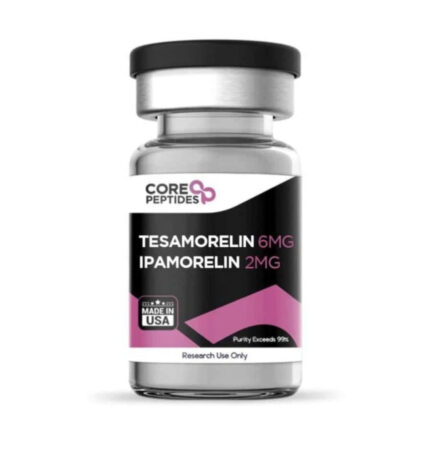
Tesamorelin & Ipamorelin Blend (8mg)
Tesamorelin 6 mg / Ipamorelin 2 mg is a research-grade lyophilized peptide blend engineered for high-purity laboratory applications. Each vial contains an 8 mg total blend (6 mg Tesamorelin / 2 mg Ipamorelin), third-party HPLC-tested to guarantee over 99% purity and manufactured in the USA under strict standards. Formulated specifically for research investigating dual GHRH and GHSR receptor activation, visceral fat metabolism, and endocrine signaling pathways, this product is strictly intended for research use only.
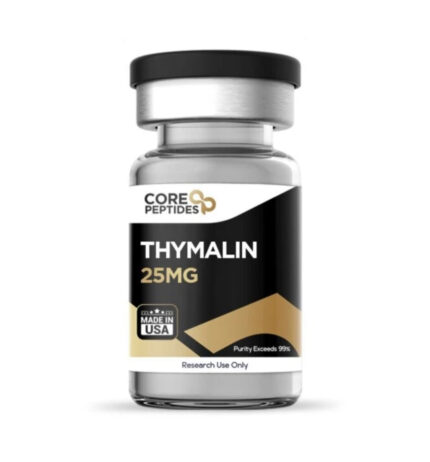
Thymalin Peptide (25mg)
Thymalin peptide 25 mg provides a high-purity, laboratory-verified lyophilized peptide manufactured under strict quality control standards in the USA. Formulated with 25 mg of pure Thymalin—a synthetic bioregulator peptide complex derived from thymic polypeptide fraction research—this compound is widely utilized in immunology, endocrinology, and biogerontology research examining T-lymphocyte differentiation, immune system homeostasis, and neuroendocrine-immune interactions.
Key Specifications
Active Compound: Thymalin (Thymic Peptide Bioregulator)
Chemical Structure: Synthetic Thymic Dipeptide Complex (Lys-Glu / Glu-Trp analogs)
Concentration: 25 mg per vial
Purity Standard: Exceeds 99% (Third-Party HPLC Verified)
Formulation: Sterile Lyophilized Powder
Origin: Manufactured in USA
Classification: Research Use Only
Primary Research Applications
Immunomodulation & T-Cell Maturation: Thymalin is studied for its ability to regulate T-lymphocyte differentiation, restore helper/suppressor T-cell ratios (CD4^+/CD8^+), and stimulate cellular immunity markers.
Thymic Involution & Immune Restoration: Evaluated in age-related immune dysfunction and immunosenescence models to measure restored thymic secretory capacity and cytokine balance.
Neuroendocrine-Immune Axis Regulation: Extensively investigated in peptide bioregulator research for its role in normalizing neuroendocrine response, pineal-thymus interaction, and gene expression pathways during chronic stress or pathology.
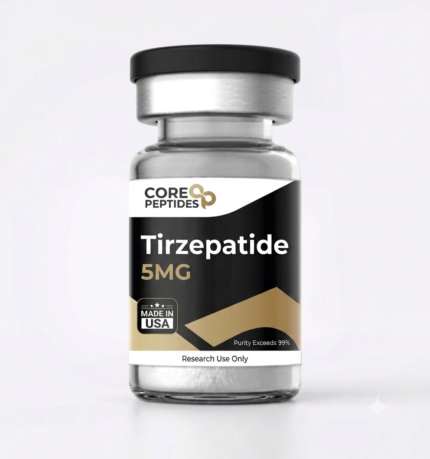
Tirzepatide (5mg)
Tirzepatide (5mg) is a dual GIP and GLP-1 receptor agonist designed to study advanced weight loss, lipid metabolism, and glycemic control. Engineered for high potency, this peptide targets dual incretin pathways to optimize metabolic research outcomes. Supplied as a high-purity lyophilized powder for laboratory use.
Reviews
There are no reviews yet.