





















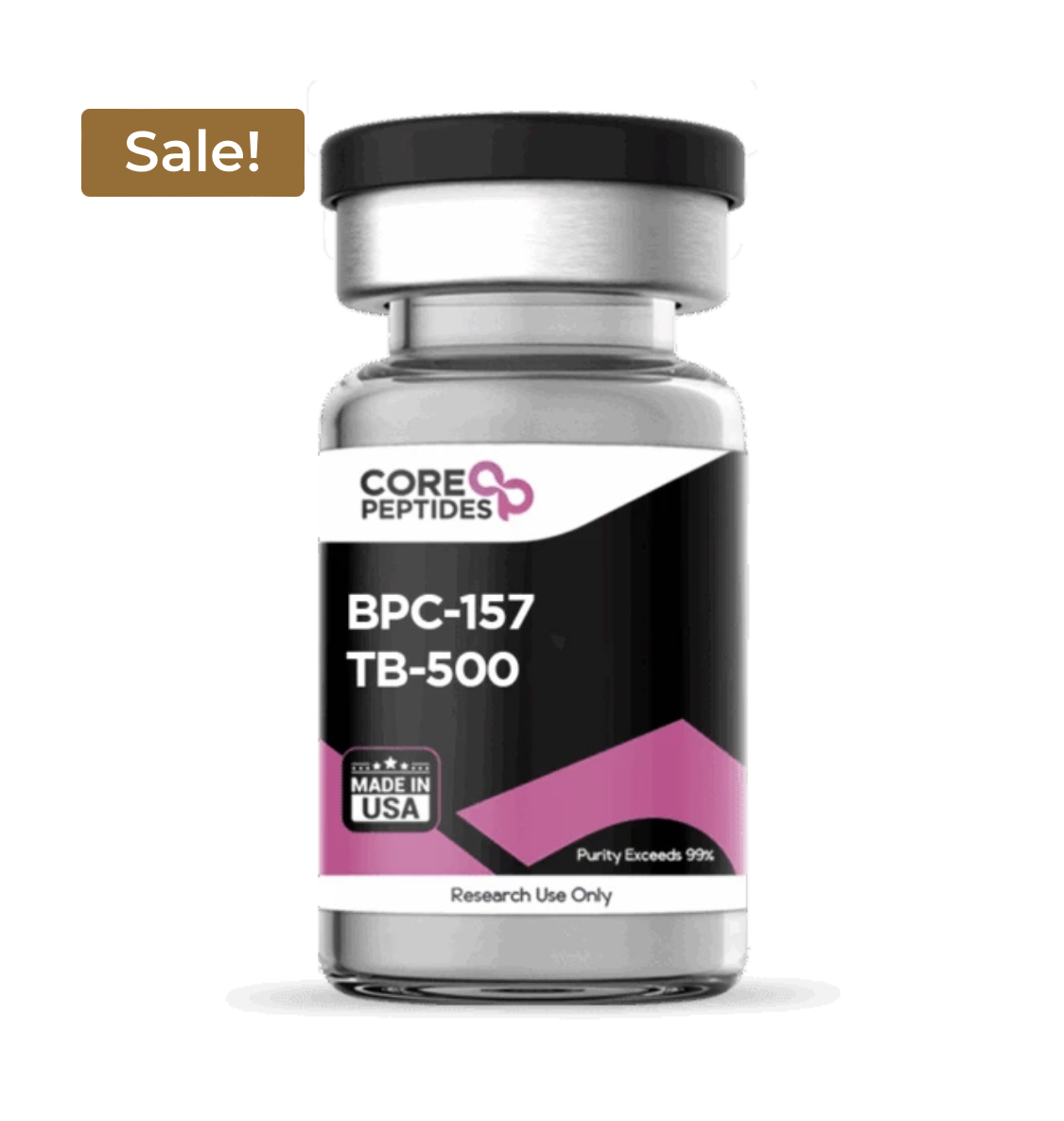
BPC-157 & TB-500 Blend 20mg
$190.00
BPC-157 / TB-500 20mg provides a high-purity, laboratory-verified lyophilized peptide blend manufactured under strict quality control standards in the USA. Formulated as a synergistic tissue recovery complex, each vial combines BPC-157 (Body Protection Compound-157, a synthetic pentadecapeptide) with TB-500 (Thymosin Beta-4 synthetic fragment). This dual-action blend is widely utilized in orthopedic, gastrointestinal, and cellular repair research examining accelerated wound healing cascades, microvascular formation, actin regulation, and connective tissue remodeling.
Key Specifications
Active Compounds: BPC-157 (Pentadecapeptide) & TB-500 (Thymosin Beta-4 Fragment)
Chemical Formulas: \text{C}_{62}\text{H}_{98}\text{N}_{16}\text{O}_{22} (BPC-157) / \text{C}_{212}\text{H}_{350}\text{N}_{56}\text{O}_{78}\text{S} (TB-500)
Purity Standard: Exceeds 99% (Third-Party HPLC Verified)
Formulation: Sterile Lyophilized Powder
Origin: Manufactured in USA
Classification: Research Use Only
Primary Research Applications
Angiogenesis & Microvascular Upregulation: Combines BPC-157’s VEGFR2 pathway upregulation with TB-500’s endothelial cell migration properties to study rapid blood vessel formation in damaged tissues.
Actin Polymerization & Cell Mobility: TB-500 sequestering of G-actin works alongside BPC-157 to examine accelerated cell migration, tendon-to-bone insertion recovery, and fascial repair.
Cytoprotection & Inflammation Modulation: Evaluated in cellular stress models to investigate the downregulation of pro-inflammatory cytokines and stabilization of mucosal and musculoskeletal matrices.
BPC-157 & TB-500 Peptide Blend
BPC-157 Peptide, also known as Pentadecapeptide BPC-157, or Body Protection Compound 157, is a wholly synthetic peptide that is potentially linked to multiple cellular functions and is perceived to have significance in healing of experimental models of injury. It is speculated to engage with cellular communication routes, possibly affecting elements associated with rejuvenation and recuperation. A few research studies hint that BPC-157 might also possess capabilities to encourage blood vessel formation and regulate inflammation-related activities.(1)Moreover, experimental findings have posited that BPC-157 may aid in safeguarding and regenerating various cells and tissues. Overall, BPC-157 has been suggested in various studies to potentially help with healing joint, tendon, and muscle tissue, as well as nerve tissue.
TB-500 Peptide, also known as Synthetic thymosin beta-4, or TB-4, has been suggested by researchers to possibly assist in the healing process after injury, especially brain and neurological injury. Other TB-500 research has suggested it helps with wound healing and with hair growth. The peptide is a man-made variant of the thymosin beta-4 (Tβ4) peptide found naturally within the cells of the thymus organ, and encoded by the TMSB4X gene. From research on thymosin beta-4, TB-500 appears to modulate cell movement, differentiation, and tissue healing. It is believed to engage with various cellular signaling routes to manifest its actions. Investigations further imply that TB-500 might encourage angiogenesis, as well as cellular and tissue renewal.(2)
Both BPC-157 and TB-500 are synthetic polypeptides, where TB-500 is composed of 43 amino acids, and BPC-157 is composed of 15 amino acids.(3)(4)
Overview
Based on Tβ4 research, TB-500 has been suggested to exert potential action on cellular motility via elevating the levels of actin proteins. More specifically it has been posited to regulate the cellular actin-cytoskeleton and cellular migration by sequestering G-actin. TB-500 has a distinct amino acid segment [(17)LKKTETQ(23)] which is hypothesized to be responsible for actin binding and potentially enhancing cellular motility. This in turn may exhibit positive action on wound healing processes.(5) TB-500 also seems to amplify the presence of microRNA-146a (miR-146a), which may act as a repressive regulator for certain cellular signaling routes such as those related to the activity of two inflammation-related cytokines called L-1 receptor-linked kinase 1 (IRAK1) and tumor necrosis factor receptor-linked factor 6 (TRAF6). This suggestion was further insisted as a potential mechanism of TB-500 by the authors of the research study, who also commented that “transfection of anti-miR-146a nucleotides reversed the inhibitory effect of Tβ4 on IRAK1 and TRAF6.” Thus, TB-500 also appears to potentially work for healing by exerting anti-inflammatory action.(6)
BPC-157 peptide has been suggested to exert some action via various processes encompassing nitric oxide production, control of cells pertinent to tissue restoration, growth elements, and inflammatory responses. It is conceivable that BPC-157 may exhibit some engagement with the NO mechanism, possibly providing a safeguard for the endothelium and perhaps encouraging angiogenic behaviors by fostering the development of new circulatory routes. Researchers suggest there is a chance it may boost the expression of the early growth response 1 gene, which may play a role in producing cytokines and growth stimuli, and possibly aid in the initial assembly of the extracellular framework, inclusive of collagen. It is worth highlighting that BPC-157’s relation with nerve growth factor 1-A binding protein-2 may exert inhibitory action on specific elements.(7) As a result, new tissues composed of collagen may be formed, thereby possibly enhancing the healing of wounds more rapidly.(8)
As both TB-500 and BPC-157 peptides appear to exhibit similar pharmacological potential, when blended together, the potential action of both may be maximized – what would otherwise occur with one peptide, might occur at a better, faster rate when combined.
Chemical Makeup
Molecular Formula:
- BPC-157: C62H98N16O22
- TB-500: C212H350N56O78S
Molecular Weight:
- BPC-157: 1419.5 g/mol
- TB-500: 4963 g/mol
Other Known Titles
- BPC-157: Body Protection Compound-157
- TB-500: Thymosin Beta-4
Research and Clinical Studies
There are no research or clinical studies currently available where both TB-500 and BPC-157 were used in the same experiment or presented in combination, using the same test model. However, below listed are the studies observing the potential action of the individual peptides.
BPC-157 & TB-500 Blend and Tissue Repair
In one study with Tβ4 conducted in 1999,(9) experimentally wounded murine models were used as subjects, where half the number of murine models were presented with saline and the rest were presented with TB-500 peptide. The main aim of this study was to determine the potential tissue repair action of the peptide. Four days after the experiment, it was reported by the researchers that the murine models presented with TB-500 showed an apparent 41% increment in the re-epithelialization process (i.e., formation of new epithelial cells to resurface the wound). After seven days, the wounds presented with TB-500 had reportedly contracted by at least 11% as compared to the saline wounds. The authors commented that “these results suggest that Tβ4 is a potent wound healing factor with multiple activities…”
In another 2006 clinical trial,(10) 72 test subjects with pressure ulcers were presented with TB-500. The main aim of this randomized, double blind study was to establish the potential of thymosin beta 4 (analogous to TB-500) in ulcer presence. The test subjects were divided into two groups, where one group was presented with placebo for 84 days and the rest were presented daily with various concentrations of the peptide, for up to 84 days. After 84 days, there was an occurrence of wound healing process where the ulcers reportedly exhibited signs of healing.
In a BPC-157 study,(11) three experimental murine models were used as subjects where all were experimentally wounded, with either acute or chronic wounds. These murine models were then divided into two groups, where one was presented with a placebo compound and the other was presented with BC-157 peptide. After the experiment, all the murine models were histologically examined, and it was determined that the murine models with BPC-157 exhibited a prominently higher number of collagen and blood vessels formed as compared to the placebo murine models.
BPC-157 & TB-500 Blend and Ligaments
In one study,(12) the medial collateral ligament (MCL) of the murine models was transected (cut across) during surgery. All the murine models were then presented with a fibrin sealing agent, where some murine models were also presented with thymosin beta 4 (TB-500). Four weeks after the surgery, it was reported by the researchers that the healing tissues in the peptide murine models exhibited apparently evenly formed and spaced collagen cells. The collagen cells formed in the peptide murine models were reportedly wider as compared to the control murine models. Furthermore, the mechanical properties of the regenerating tissues, including the femur-medial collateral ligament-tibia complexes, appeared to be improved in the TB-500 group compared to the control.
Another research article indicated that BPC-157 might play a role in aiding the recovery of connective tissues, potentially by promoting the growth of tendon explants. Interestingly, the study suggested that BPC-157 may possibly enhance the resilience of these cells in the face of oxidative stress. This outcome might be linked to the triggering of F-actin formation, as indicated by FITC-phalloidin staining. BPC-157 also appeared to enhance the in vitromovement of tendon fibroblasts as indicated by a transwell filter migration test. Furthermore, BPC-157 appeared to hasten the dispersion of tendon fibroblasts across culture plates. Additionally, the study delved into the possible role of the FAK-paxillin pathway (a pair of focal adhesion-linked proteins that relay signals following integrins) in conveying the action of BPC-157. Western blot tests hinted that the phosphorylation rates of both FAK and paxillin seemed to rise with BPC 157, yet the overall protein quantities stayed constant.(8)
BPC-157 & TB-500 Blend and Muscle
A study(13) was conducted on murine models with experimentally injured gastrocnemius muscle complex. These murine models were initially presented with corticosteroids, which reportedly contributed to severe muscular damage in these murine models . These murine models were then divided into two groups, where one was presented with placebo and the other with BPC-157 daily for up to 14 days. After the experiment, it was reported that the BPC-157 murine models appeared to exhibit complete restoration of their gastric muscles along with full ability to function. Whereas, the placebo treated group did not exhibit any apparent change to the damaged muscles.
TB-500 may also have a potential effect on muscle cell regeneration, more specifically on cardiac muscle cells. One study suggests that TB-500 appears to bolster myocardial resilience in conditions of low oxygen, and seemingly fosters angiogenesis, possibly paving the way for cardiac cell repair. Researchers have hinted at a potential process where cardiac fibroblasts transition into cells resembling cardiomyocytes.(14) In the end, the scholars observed that TB-500, when combined with cardiac reprogramming techniques, might collaboratively reduce potential harm to cardiac cells and foster its regeneration by activating inherent cells within the cardiac region. An examination using murine models of coronary artery tying appeared to exhibit results which implied that TB-500 might elevate integrin-associated kinase (ILK) and protein kinase B operations in the heart, possibly boosting early cardiomyocyte endurance and seemingly enhancing heart performance.(15)The experts also suggested that TB-500 might support the movement of myocardial and endothelial cells in the fetal heart and maintains this capability in mature cardiomyocytes.
References:
- Seiwerth, S., Milavic, M., Vukojevic, J., Gojkovic, S., Krezic, I., Vuletic, L. B., Pavlov, K. H., Petrovic, A., Sikiric, S., Vranes, H., Prtoric, A., Zizek, H., Durasin, T., Dobric, I., Staresinic, M., Strbe, S., Knezevic, M., Sola, M., Kokot, A., Sever, M., … Sikiric, P. (2021). Stable Gastric Pentadecapeptide BPC 157 and Wound Healing. Frontiers in pharmacology, 12, 627533. https://doi.org/10.3389/fphar.2021.627533
- Maar, K., Hetenyi, R., Maar, S., Faskerti, G., Hanna, D., Lippai, B., Takatsy, A., & Bock-Marquette, I. (2021). Utilizing Developmentally Essential Secreted Peptides Such as Thymosin Beta-4 to Remind the Adult Organs of Their Embryonic State-New Directions in Anti-Aging Regenerative Therapies. Cells, 10(6), 1343. https://doi.org/10.3390/cells10061343
- National Center for Biotechnology Information. “PubChem Compound Summary for CID 132558700, CID 132558700” PubChem, https://pubchem.ncbi.nlm.nih.gov/compound/132558700
- National Center for Biotechnology Information. “PubChem Compound Summary for CID 9941957” PubChem, https://pubchem.ncbi.nlm.nih.gov/compound/Bpc-157


Related products
AOD 9604 (5mg)
AOD 9604 5mg is a premium, high-purity (\ge99% HPLC-verified) synthetic analog of the C-terminal region of human growth hormone (hGH 177-191). Engineered specifically to isolate lipolytic receptor activity without elevating IGF-1 levels or altering glucose metabolism, AOD 9604 is an essential tool for laboratory studies targeting lipid metabolism, adipocyte signaling, and cartilage matrix regeneration. Supplied as a sterile lyophilized powder strictly for scientific research use.
Epithalon (25mg)
Epithalon 25 mg is a research-grade lyophilized tetrapeptide engineered for high-purity laboratory applications. Each vial contains 25 mg of HPLC-verified Epithalon, third-party tested to guarantee over 99% purity and manufactured in the USA under strict standards. Formulated specifically for research investigating telomerase enzyme induction, pineal function restoration, and cellular longevity pathways, this product is strictly intended for research use only.
Humanin (10mg)
Humanin 10 mg provides a high-purity, laboratory-verified lyophilized peptide manufactured under strict quality control standards in the USA. Formulated with 10 mg of pure Humanin—a naturally occurring 24-amino-acid micropeptide encoded within the mitochondrial genome (16S rRNA)—this compound is widely utilized in cellular biology, metabolic health, and neurodegenerative disease research investigating cytoprotective mechanisms, oxidative stress regulation, and insulin sensitivity pathways.
Key Specifications
Active Compound: Humanin (HN)
Chemical Formula: \text{C}_{119}\text{H}_{204}\text{N}_{34}\text{O}_{35}\text{S}_{2}
Concentration: 10 mg per vial
Purity Standard: Exceeds 99% (Third-Party HPLC Verified)
Formulation: Sterile Lyophilized Powder
Origin: Manufactured in USA
Classification: Research Use Only
Primary Research Applications
Cytoprotection & Anti-Apoptotic Pathways: Humanin is studied for its ability to suppress Bax-mediated apoptosis, protecting various cell lines against programmed cell death triggered by toxic insults.
Neuroprotective Dynamics: Extensively evaluated in Alzheimer’s disease and neurodegenerative models to analyze its role in mitigating amyloid-beta (A\beta) cytotoxicity and preserving neuronal function.
Mitochondrial & Metabolic Homeostasis: Investigated for its regulatory actions on insulin sensitivity, glucose metabolism, and cellular homeostasis under conditions of metabolic stress.
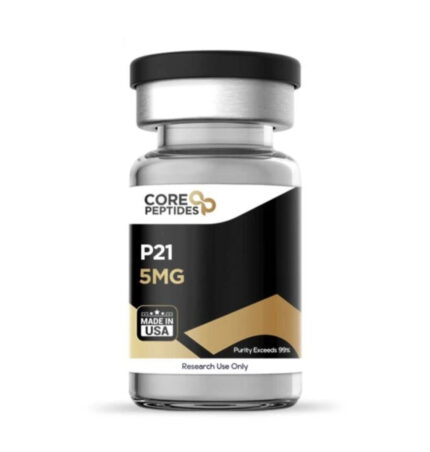
P21 Peptide (5mg)
P21 5 mg provides a high-purity, laboratory-verified lyophilized peptide manufactured under strict quality control standards in the USA. Formulated with 5 mg of pure P21—a synthetic peptide mimetic derived from ciliary neurotrophic factor (CNTF)—this compound is widely utilized in neurobiology, cognitive science, and neurodegenerative disease research examining neurogenesis, synaptic plasticity, BDNF signaling, and cognitive enhancement mechanisms.
Key Specifications
Active Compound: P21 Peptide (CNTF-derived synthetic peptide)
Chemical Formula: \text{C}_{30}\text{H}_{55}\text{N}_{9}\text{O}_{9}
Concentration: 5 mg per vial
Purity Standard: Exceeds 99% (Third-Party HPLC Verified)
Formulation: Sterile Lyophilized Powder
Origin: Manufactured in USA
Classification: Research Use Only
Primary Research Applications
Neurogenesis & Synaptogenesis: P21 is evaluated for its ability to promote neural progenitor cell proliferation and maturation in the dentate gyrus of the hippocampus, supporting research into structural brain plasticity.
Neurotrophic Factor Expression: Extensively studied for enhancing endogenous brain-derived neurotrophic factor (BDNF) and nerve growth factor (NGF) signaling pathways without inducing CNTF-receptor autoantibodies.
Cognitive Enhancement & Neuroprotection: Investigated in animal models of cognitive impairment, Alzheimer's disease, and traumatic brain injury to analyze memory retention recovery and synaptic density preservation.
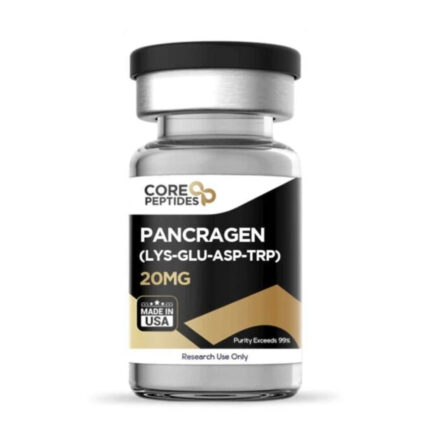
Pancragen Peptide (20mg)
Pancragen peptide 20 mg provides a high-purity, laboratory-verified lyophilized peptide manufactured under strict quality control standards in the USA. Formulated with 20 mg of pure Pancragen—a synthetic tetrapeptide bioregulator composed of L-lysine, L-glutamic acid, L-aspartic acid, and L-tryptophan (Lys-Glu-Asp-Trp)—this compound is widely utilized in endocrinology, metabolic science, and cellular biology research examining pancreatic beta-cell restoration, insulin sensitivity modulation, and glucose homeostasis regulation.
Key Specifications
Active Compound: Pancragen (L-Lysyl-L-Glutamyl-L-Aspartyl-L-Tryptophan / Lys-Glu-Asp-Trp)
Chemical Formula: \text{C}_{26}\text{H}_{36}\text{N}_{6}\text{O}_{9}
Concentration: 20 mg per vial
Purity Standard: Exceeds 99% (Third-Party HPLC Verified)
Formulation: Sterile Lyophilized Powder
Origin: Manufactured in USA
Classification: Research Use Only
Primary Research Applications
Pancreatic Beta-Cell Function & Insulin Sensitivity: Pancragen is extensively studied for its capacity to stimulate insulin gene expression, promote pancreatic islet cell functional integrity, and enhance peripheral glucose clearance in metabolic models.
Exocrine & Endocrine Tissue Remodeling: Evaluated in pancreatic insufficiency and pancreatitis models to assess its tissue-protective properties, acinar cell repair mechanisms, and digestive enzyme regulation.
Epigenetic Regulation of Carbohydrate Metabolism: Investigated in peptide bioregulator research for its interaction with chromatin structural proteins, regulating transcription factors tied to glycemic control and vascular protection against hyperglycemia.
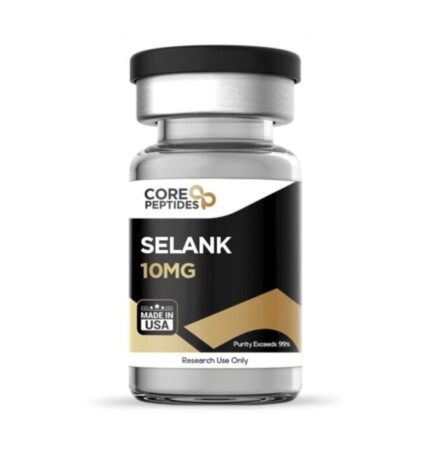
Selank (10mg)
Selank 10 mg is a research-grade lyophilized peptide engineered for high-purity laboratory applications. Each vial contains 10 mg of HPLC-verified Selank, third-party tested to guarantee over 99% purity and manufactured in the USA under strict quality standards. Formulated specifically for research investigating GABAergic neurotransmission, BDNF gene expression, and neuroprotective signaling pathways, this product is strictly intended for research use only.
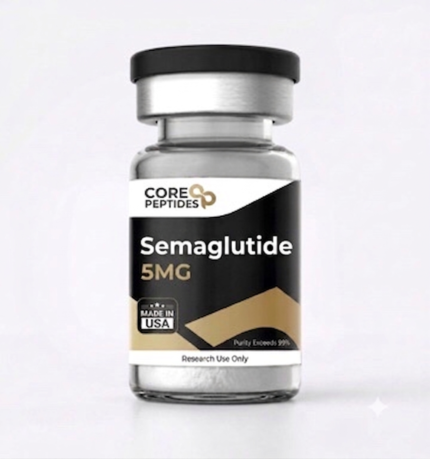
Semaglutide 5 mg
Semaglutide 5 mg is a research-grade lyophilized peptide engineered for high-purity laboratory applications. Each vial contains 5 mg of HPLC-verified Semaglutide, third-party tested to guarantee over 99% purity and manufactured in the USA under strict quality standards. Formulated specifically for research investigating GLP-1 receptor activation, glucose-dependent insulin secretion, gastric emptying regulation, and metabolic homeostasis pathways, this product is strictly intended for research use only.
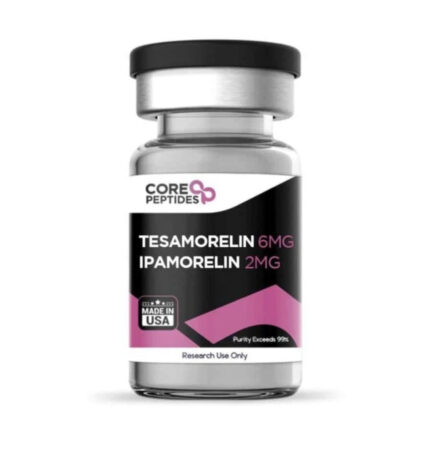
Tesamorelin & Ipamorelin Blend (8mg)
Tesamorelin 6 mg / Ipamorelin 2 mg is a research-grade lyophilized peptide blend engineered for high-purity laboratory applications. Each vial contains an 8 mg total blend (6 mg Tesamorelin / 2 mg Ipamorelin), third-party HPLC-tested to guarantee over 99% purity and manufactured in the USA under strict standards. Formulated specifically for research investigating dual GHRH and GHSR receptor activation, visceral fat metabolism, and endocrine signaling pathways, this product is strictly intended for research use only.
Reviews
There are no reviews yet.