





















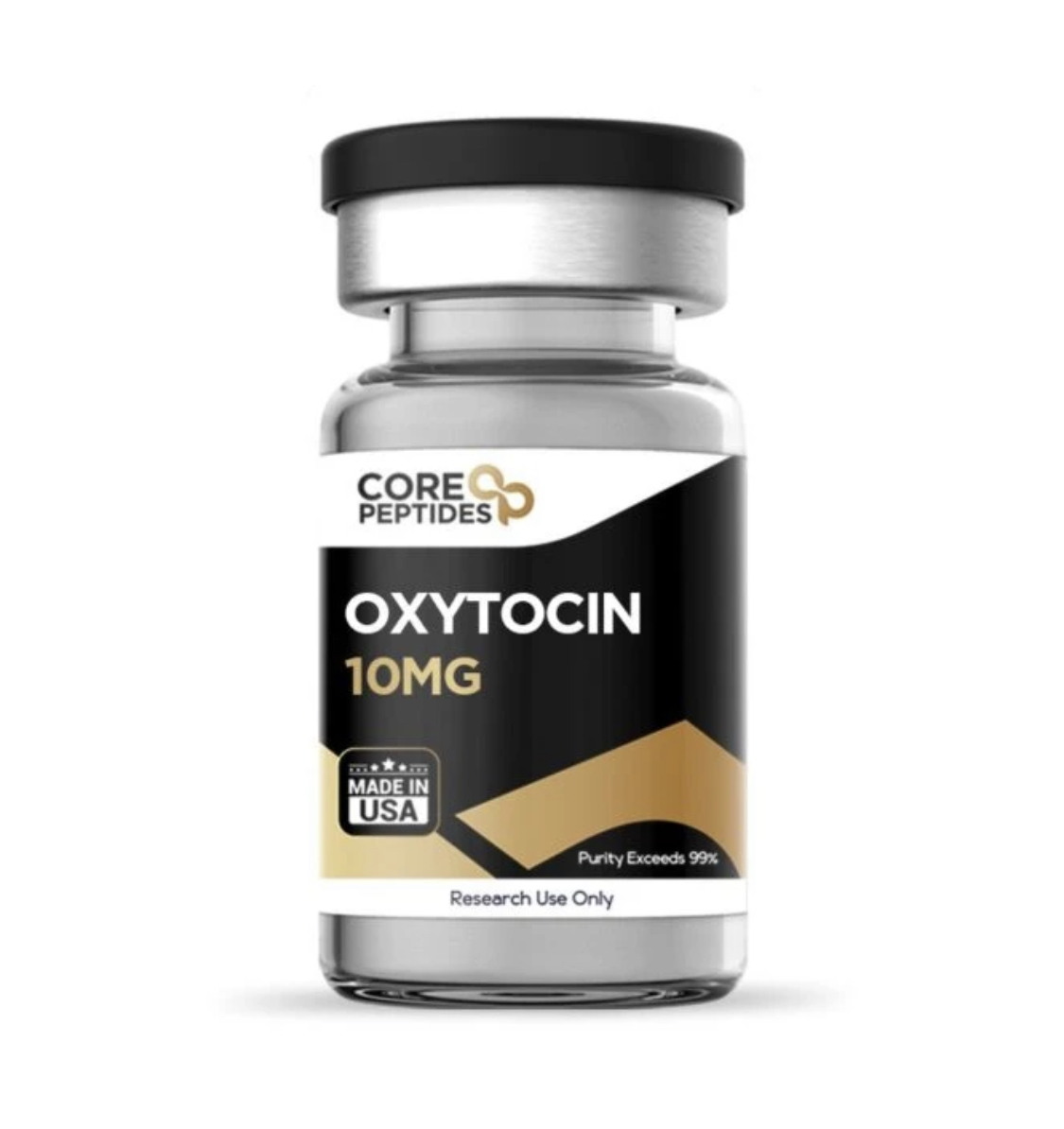

Oxytocin Peptide (10mg)
$52.00
Oxytocin 10 mg provides a high-purity, laboratory-verified lyophilized neuropeptide manufactured under strict quality control standards in the USA. Formulated with 10 mg of pure Oxytocin—a nonapeptide hormone naturally synthesized in the paraventricular and supraoptic nuclei of the hypothalamus—this compound is widely utilized in neurobiology, behavioral endocrinology, and cardiovascular research examining central oxytocinergic pathways, social bonding behavior, stress attenuation, and smooth muscle signaling.
Key Specifications
Active Compound: Oxytocin
Chemical Formula: \text{C}_{43}\text{H}_{66}\text{N}_{12}\text{O}_{12}\text{S}_{2}
Molecular Weight: 1007.2 \text{ g/mol}
Concentration: 10 mg per vial
Purity Standard: Exceeds 99% (Third-Party HPLC & Mass Spectrometry Verified)
Formulation: Sterile Lyophilized Powder
Origin: Manufactured in USA
Classification: Research Use Only
Primary Research Applications
Neuroendocrine & Social Behavior Dynamics: Oxytocin acts on central oxytocin receptors (OXTR) to modulate neural circuits involved in prosocial behavior, pair-bonding, empathy, trust dynamics, and maternal behavior in animal models.
HPA Axis Regulation & Anxiolysis: Widely investigated for its stress-attenuating properties, examining how OXTR activation downregulates hypothalamic-pituitary-adrenal (HPA) axis activity and blunts corticosterone/cortisol release during acute stress responses.
Neuromuscular & Cardiovascular Signaling: Evaluated in peripheral tissue models to study G-protein coupled receptor (GPCR) cascades governing uterine smooth muscle contraction, myoepithelial cell signaling, and vascular endothelial nitric oxide production.
Oxytocin Peptide
Oxytocin is a naturally occurring cyclic peptide hormone composed of nine amino acids. Scientists consider the peptide hormone to be secreted by the pituitary gland and to act as a neurotransmitter within the brain.(1) The synthetic form of the peptide, Recombinant Oxytocin, is a cyclic nonapeptide developed to be analogous to the naturally occurring peptide.(2)
The first isolation of the peptide was carried out in 1920, followed by its structure discovery in the 1950s. Several research studies were conducted to fully explore the peptide’s action and characteristics. Scientists consider it to be created by the hypothalamus, and Oxytocin is then secreted and stored in the posterior pituitary gland, potentially released in the event of a specific stimulation.(3) Unlike other hormones, naturally occurring Oxytocin has been posited to work via a positive feedback mechanism. This means that the initial secretion of the hormone peptide may lead to further release of the peptide in higher concentrations and with higher intensity.(3) Both synthetic and natural forms appear to work through the same potential mechanisms.
Considered to be especially pivotal in the process of gestation and labor, Oxytocin, once secreted into the system, may bind with the G-protein coupled receptors to potentially increase intracellular calcium levels. This calcium secretion may have various downstream impacts, such as inducing uterine contractions. Once the uterine contractions begin, they may stimulate further release of Oxytocin, leading to higher frequency and intensity of the contractions via a positive feedback mechanism.(3) The peptide appears to contribute to the contractions of myoepithelial cells found in the alveolar ducts of mammary glands. These contractions may stimulate milk ejection from alveolar ducts into the larger sinuses, thereby expelling milk. The positive feedback mechanism may also work here, with initial milk expulsion potentially stimulating increased Oxytocin circulation and continuous milk release.(3)
Chemical Makeup
Molecular Formula:C43H66N12O12S2
Molecular Weight: 1007.193 g/mol
Other Known Titles: endopituitrina
Research and Clinical Studies
Oxytocin Peptide and Dopamine Signaling
Oxytocin might play a role in shaping sexual behavior by possibly influencing the activity of dopamine within central nervous system regions associated with the rewards system, notably the ventral tegmental area (VTA) and the nucleus accumbens.(4) This influence may stem from projections of Oxytocin to the VTA, where the peptide may either augment dopamine release, or enhance the sensitivity of dopaminergic neurons. Such an increase in dopaminergic activity may, in turn, potentially boost sexual motivation and the perception of reward, possibly aiding the anticipatory aspects of mating and copulatory behavior. The hypothesis suggests that Oxytocin may directly interact with dopaminergic neurons within the VTA by activating specific oxytocin receptors, initiating a sequence of events that culminates in heightened dopamine release within the nucleus accumbens. This sequence may include the stimulation of nitric oxide synthesis within the VTA, hinting at an intricate interplay involving Oxytocin, dopamine, and nitric oxide. Additionally, there is the potential for Oxytocin to exert an indirect action on dopaminergic activity across other cerebral locales, including the hippocampus and amygdala, adding further depth to its complex role. Such indirect influences might modulate the activity of either glutamatergic or GABAergic neurons, which may, in turn, influence dopaminergic neurons located within the VTA and nucleus accumbens.(4)
Oxytocin Peptide and Neuroplasticity
Researchers are actively exploring Oxytocin’s impact on developing or maintaining neuroplasticity. The peptide is posited to engage with G-protein coupled receptors, which may increase intracellular calcium levels.(5) This elevation in calcium is thought to play a role in neuronal excitability and synaptic modulation, affecting the transmission of signals across neurons. Oxytocin’s potential influence in the brain may extend to neurogenesis and synaptic plasticity, which may impact the intricate dance of neural circuit formation and function. The presence of Oxytocin receptors across various neural cell types hints at the peptide’s broad potential impact, possibly modulating the behavior of neural progenitor cells and influencing the fate of these cells. This action might stretch into early brain development, where Oxytocin’s presence might subtly shape the emerging neural circuits by modulating neurotransmitter dynamics, including those of glutamate and GABA, which serve as the brain’s primary excitatory and inhibitory signals, respectively. At the synaptic level, Oxytocin’s actions appear to diverge, potentially enhancing neurotransmitter release in some contexts, while diminishing it in others. This dual action may reflect Oxytocin’s potential to modulate the balance between excitation and inhibition within the neural circuits, a balance considered crucial for maintaining the functional integrity of the brain. Such modulation may manifest through alterations in the release of neurotransmitters or changes in membranes, indirectly influencing neuronal excitability and the flow of neural information. The interactions of Oxytocin with glial cells, such as astrocytes, further complicate its role in neurotransmitter dynamics, suggesting a broader regulatory influence that extends beyond the neurons to the supportive environment that nurtures and maintains synaptic connections. This interaction may influence the synaptic plasticity and overall function of neural circuits, offering a glimpse into the complex regulatory roles Oxytocin might play in the neural ecosystem.(5)
Oxytocin Peptide and Labor Induction
The main aim of this clinical study(6)was to determine the rate of cesarean delivery in pregnant females after removing Oxytocin presence once active labor starts (5 cm cervical dilation) compared to pregnant females where Oxytocin was given until the maintenance level as determined in clinical trial study protocol. A randomized study was conducted on 252 female subjects between 18 to 50 years. The subjects were divided into two groups, with 127 subjects (Group A) continuously given the peptide per study protocol even after the subjects reached active labor, and 125 subjects (Group B) given Oxytocin, discontinued after active labor induction. After a 24-72 hour study period, there were 32 reported cesarean deliveries in Group A, with 10 infants exhibiting one or more abnormalities that warranted further observation. In contrast, there were 24 reported cesarean deliveries in Group B, with 9 infants exhibiting abnormalities.
Oxytocin Peptide and Lactation
The main goal of this clinical study(7) was to evaluate the potential action of peptide supplementation during the course of breastfeeding. A retrospective study(7) was conducted where 100 pregnant females given Oxytocin during labor were compared with 100 pregnant females not exposed to Oxytocin. Following the study result analysis, the researchers reported that the new mothers exposed to Oxytocin exhibited apparently impaired breastfeeding for the first hour. During the first three months after delivery, subjects from both groups (27% exposed to Oxytocin and 14% without) were not apparently able to breastfeed. Following three months, breastfeeding was reported to significantly increase in the Oxytocin-exposed subjects. The reason suggested by researchers for impaired breastfeeding during the first three months was the high pre-gestational body mass index in the test subjects.
Oxytocin Peptide and Vasodilation
Vasodilation is the dilation of blood vessels, which is considered to be a mechanism to increase blood flow. The main purpose of this study(8)was to evaluate the potential of Oxytocin on cardiac function and tone in the heart muscles. The study observed a set of pregnant females in the first trimester, divided into two groups, one given Oxytocin and the other a placebo. Heart rate and blood pressure were recorded. The results suggested that the peptide may have exhibited vasodilatory properties on the small and outlying arteries and elevated left ventricular ejection time.
Oxytocin Peptide and Autism
The main aim of this clinical study(9)was to evaluate what action, if any, the peptide may exert on research models of autism. Autism is considered to be a psychiatric disorder related to poor brain development impacting how the subject socializes and communicates. A total of 59 autistic males, aged 6 to 11 years, were examined in this study. Out of the 59 test subjects, 29 were autistic, and the rest were considered control subjects by the researchers. The plasma levels of Oxytocin were measured in this study, and the researchers reported that autistic subjects exhibited lower levels of peptide hormone than the control subjects. Once the levels of Oxytocin were elevated as part of the study, the VABS score (analytic behavior score) of autistic subjects appeared to improve.
References:
- National Center for Biotechnology Information. “PubChem Compound Summary for CID 439302, Oxytocin” PubChem
- Recombinant Oxytocin (Code C724). https://ncit.nci.nih.gov/ncitbrowser/ConceptReport.jsp?dictionary=NCI_Thesaurus&ns=NCI_Thesaurus&code=C724
- Osilla EV, Sharma S. Oxytocin. [Updated 2021 Jul 27]. In: StatPearls [Internet]. Treasure Island (FL): StatPearls Publishing; 2021 Jan. https://www.ncbi.nlm.nih.gov/books/NBK507848/
- Melis, Maria Rosaria, and Antonio Argiolas. “Oxytocin, Erectile Function and Sexual Behavior: Last Discoveries and Possible Advances.” International journal of molecular sciences vol. 22,19 10376. 26 Sep. 2021, doi:10.3390/ijms221910376


Related products
ACE-031 Peptide (1mg)
ACE-031 1 mg is a research-grade lyophilized protein peptide engineered for high-purity laboratory applications. Each vial contains 1 mg of HPLC-verified ACE-031, third-party tested to guarantee over 99% purity and manufactured in the USA under strict standards. Formulated specifically for research investigating myostatin signal neutralization, ActRIIB decoy receptor binding, and muscle growth regulation pathways, this product is strictly intended for research use only.
AOD 9604 (5mg)
AOD 9604 5mg is a premium, high-purity (\ge99% HPLC-verified) synthetic analog of the C-terminal region of human growth hormone (hGH 177-191). Engineered specifically to isolate lipolytic receptor activity without elevating IGF-1 levels or altering glucose metabolism, AOD 9604 is an essential tool for laboratory studies targeting lipid metabolism, adipocyte signaling, and cartilage matrix regeneration. Supplied as a sterile lyophilized powder strictly for scientific research use.
MOTS-C 10mg
Buy high-purity MOTS-c 10 mg lyophilized research peptide (≥99% purity). MOTS-c is a 16-amino acid mitochondrial-derived peptide that activates the AMPK pathway to regulate metabolic homeostasis, glucose utilization, and cellular stress resistance. Ideal for research in metabolic health, exercise adaptation, and longevity science. Fast shipping and lab-tested quality guaranteed.
P21 Peptide (5mg)
P21 5 mg provides a high-purity, laboratory-verified lyophilized peptide manufactured under strict quality control standards in the USA. Formulated with 5 mg of pure P21—a synthetic peptide mimetic derived from ciliary neurotrophic factor (CNTF)—this compound is widely utilized in neurobiology, cognitive science, and neurodegenerative disease research examining neurogenesis, synaptic plasticity, BDNF signaling, and cognitive enhancement mechanisms.
Key Specifications
Active Compound: P21 Peptide (CNTF-derived synthetic peptide)
Chemical Formula: \text{C}_{30}\text{H}_{55}\text{N}_{9}\text{O}_{9}
Concentration: 5 mg per vial
Purity Standard: Exceeds 99% (Third-Party HPLC Verified)
Formulation: Sterile Lyophilized Powder
Origin: Manufactured in USA
Classification: Research Use Only
Primary Research Applications
Neurogenesis & Synaptogenesis: P21 is evaluated for its ability to promote neural progenitor cell proliferation and maturation in the dentate gyrus of the hippocampus, supporting research into structural brain plasticity.
Neurotrophic Factor Expression: Extensively studied for enhancing endogenous brain-derived neurotrophic factor (BDNF) and nerve growth factor (NGF) signaling pathways without inducing CNTF-receptor autoantibodies.
Cognitive Enhancement & Neuroprotection: Investigated in animal models of cognitive impairment, Alzheimer's disease, and traumatic brain injury to analyze memory retention recovery and synaptic density preservation.
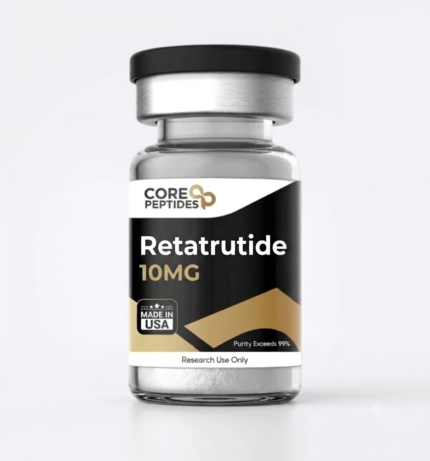
Retatrutide (10mg)
Retatrutide (10mg) is a multi-target triple agonist peptide engineered to hit GLP-1, GIP, and glucagon receptors. Designed to evaluate advanced weight loss and metabolic regulation, it delivers greater energy expenditure and appetite control in preclinical studies. High-purity lyophilized powder for laboratory research.
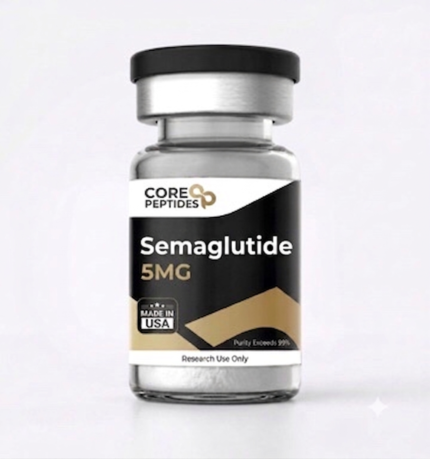
Semaglutide 5 mg
Semaglutide 5 mg is a research-grade lyophilized peptide engineered for high-purity laboratory applications. Each vial contains 5 mg of HPLC-verified Semaglutide, third-party tested to guarantee over 99% purity and manufactured in the USA under strict quality standards. Formulated specifically for research investigating GLP-1 receptor activation, glucose-dependent insulin secretion, gastric emptying regulation, and metabolic homeostasis pathways, this product is strictly intended for research use only.
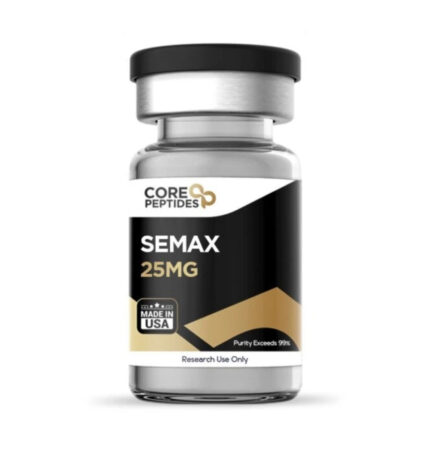
Semax (25mg)
Semax (25mg) is a premium research-grade synthetic heptapeptide (≥98% purity) studied for its potent neuroprotective, memory-enhancing, and BDNF-boosting properties. Supplied as a stable, lyophilized powder, every batch is HPLC and Mass Spectrometry verified to ensure maximum purity and consistency for laboratory investigation.
For research and laboratory use only. Not for human consumption.
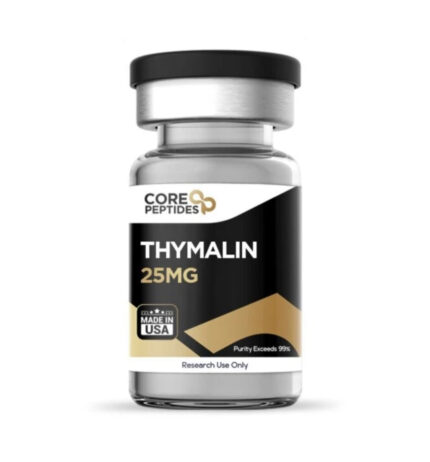
Thymalin Peptide (25mg)
Thymalin peptide 25 mg provides a high-purity, laboratory-verified lyophilized peptide manufactured under strict quality control standards in the USA. Formulated with 25 mg of pure Thymalin—a synthetic bioregulator peptide complex derived from thymic polypeptide fraction research—this compound is widely utilized in immunology, endocrinology, and biogerontology research examining T-lymphocyte differentiation, immune system homeostasis, and neuroendocrine-immune interactions.
Key Specifications
Active Compound: Thymalin (Thymic Peptide Bioregulator)
Chemical Structure: Synthetic Thymic Dipeptide Complex (Lys-Glu / Glu-Trp analogs)
Concentration: 25 mg per vial
Purity Standard: Exceeds 99% (Third-Party HPLC Verified)
Formulation: Sterile Lyophilized Powder
Origin: Manufactured in USA
Classification: Research Use Only
Primary Research Applications
Immunomodulation & T-Cell Maturation: Thymalin is studied for its ability to regulate T-lymphocyte differentiation, restore helper/suppressor T-cell ratios (CD4^+/CD8^+), and stimulate cellular immunity markers.
Thymic Involution & Immune Restoration: Evaluated in age-related immune dysfunction and immunosenescence models to measure restored thymic secretory capacity and cytokine balance.
Neuroendocrine-Immune Axis Regulation: Extensively investigated in peptide bioregulator research for its role in normalizing neuroendocrine response, pineal-thymus interaction, and gene expression pathways during chronic stress or pathology.
Reviews
There are no reviews yet.