





















P21 Peptide (5mg)
$115.00
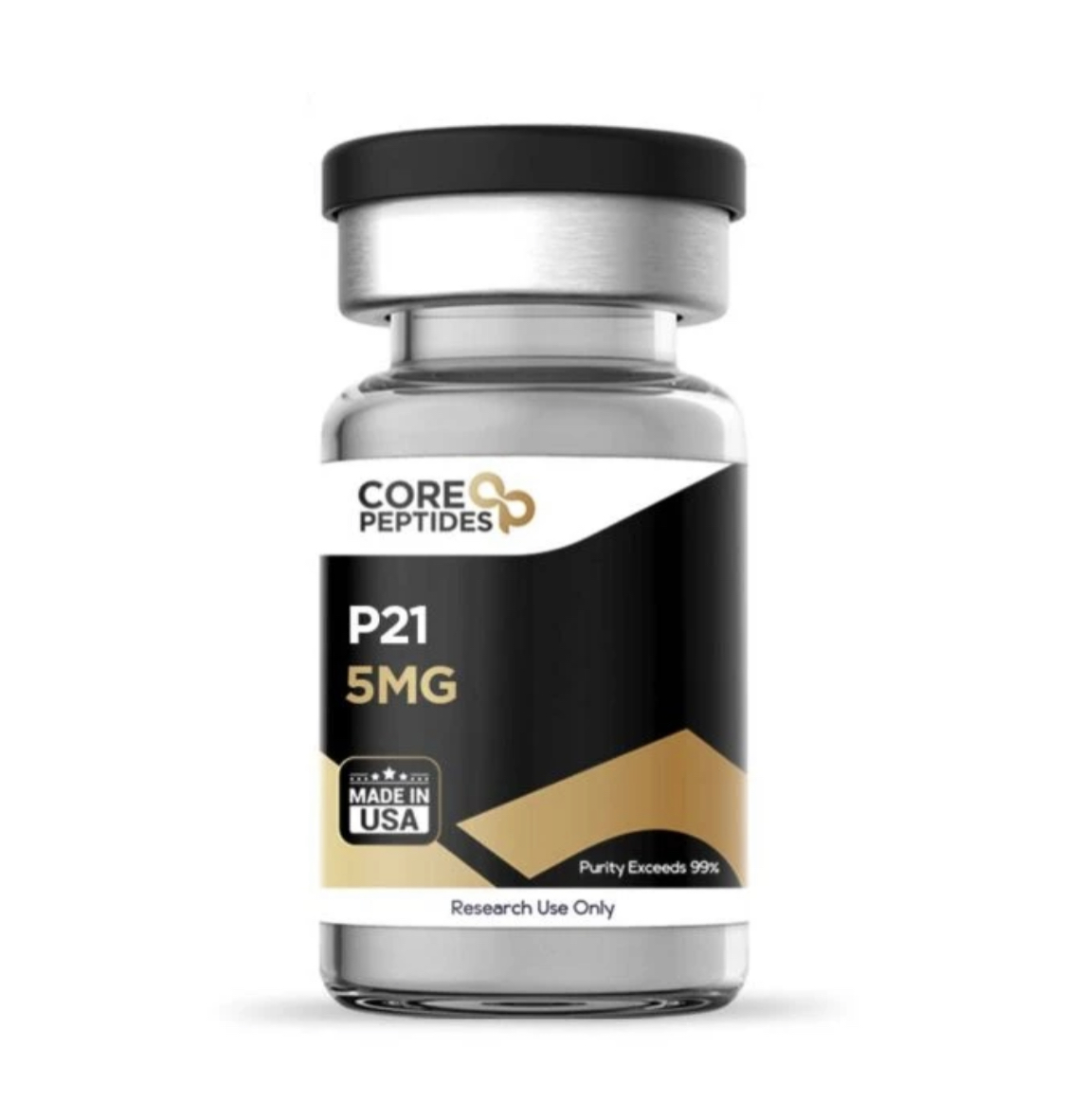
P21 5 mg provides a high-purity, laboratory-verified lyophilized peptide manufactured under strict quality control standards in the USA. Formulated with 5 mg of pure P21—a synthetic peptide mimetic derived from ciliary neurotrophic factor (CNTF)—this compound is widely utilized in neurobiology, cognitive science, and neurodegenerative disease research examining neurogenesis, synaptic plasticity, BDNF signaling, and cognitive enhancement mechanisms.
Key Specifications
Active Compound: P21 Peptide (CNTF-derived synthetic peptide)
Chemical Formula: \text{C}_{30}\text{H}_{55}\text{N}_{9}\text{O}_{9}
Concentration: 5 mg per vial
Purity Standard: Exceeds 99% (Third-Party HPLC Verified)
Formulation: Sterile Lyophilized Powder
Origin: Manufactured in USA
Classification: Research Use Only
Primary Research Applications
Neurogenesis & Synaptogenesis: P21 is evaluated for its ability to promote neural progenitor cell proliferation and maturation in the dentate gyrus of the hippocampus, supporting research into structural brain plasticity.
Neurotrophic Factor Expression: Extensively studied for enhancing endogenous brain-derived neurotrophic factor (BDNF) and nerve growth factor (NGF) signaling pathways without inducing CNTF-receptor autoantibodies.
Cognitive Enhancement & Neuroprotection: Investigated in animal models of cognitive impairment, Alzheimer’s disease, and traumatic brain injury to analyze memory retention recovery and synaptic density preservation.
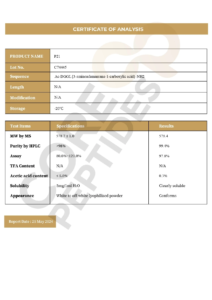 P21 Peptide
The P21 (also identified as P021) is a synthetic peptide designed to mimic the activity of ciliary neurotrophic factor (CNTF) on the brain without triggering an allergic response. CNTF is a protein that promotes the survival and differentiation of various neural cells, including neurons and oligodendrocytes. CNTF has been suggested to exhibit possible neuroprotective and neurodegenerative activity in animal models of neurodegenerative diseases and injuries. Scientists identified CNTF’s most active regions based on epitope mapping of neutralizing antibodies to CNTF.(1) This led to the development of Peptide 6, made of 11 amino acids (Ac-VGDGGLFEKKL-NH(2)) and a subsequence of just 4 amino acids called Peptide 6c (Ac-DGGL-NH(2)).
These amino acids have been theorized to support hippocampus-dependent learning and memory, increase neurogenesis, and potentially boost neuronal plasticity, as posited in murine models. To improve the stability of the peptide and boost its potential to pass through the blood-brain barrier, the scientists report that they “added adamantane building blocks to the C-terminus or both C- and N-termini of Peptide 6c.” The result is P21, which appears to have the potential to mimic the action of CNTF by activating the CNTF receptor complex and downstream signaling pathways, possibly leading to enhanced cognition, increased proliferation, and neuronal differentiation of adult hippocampal progenitors in murine models.
Chemical Makeup
Molecular Formula:C30H54N6O5
Molecular Weight: 578.3 g/mol
Sequence: Ac-DGGL-adamatanylglycine-NH2
Other Known Titles: P021
Research and Clinical Studies
P21 Peptide and Cognitive impairment
P21 has been extensively researched in experimental models of cognitive impairment. One notable study examined the impact of P21 peptide exposure in 3xTg-AD murine models between 6-9 months prior to the onset of amyloid beta (Aβ) or tau pathology and during the period of synaptic compensation.(2)The study suggested that P21 appeared to rescue dendritic and synaptic deficits, boost neurogenesis, and reverse cognitive impairment in the 3xTg-AD murine models. The study suggests that P21 may contribute to the mitigation of synaptic deficits and cognitive impairment by potentially providing neurotrophic support during synaptic compensation. According to the researchers, this potential may be achieved via the proposed influence of the peptide on synaptic plasticity, as the peptide appears to increase the levels of several markers essential for synaptic function, such as synapsin, PSD-95, and MAP2. Synapsin may regulate neurotransmitter release, which is considered crucial for communication between neurons. PSD-95 is posited to organize components within postsynaptic densities, ensuring signals are received and processed at synaptic junctions. MAP2 is thought to stabilize microtubules in dendrites, supporting their structure and possibly influencing the formation and maintenance of synaptic connections. Overall, these proteins may support the regulation of neurotransmitter release, potentially stabilizing synaptic changes and maintaining the structural integrity of dendrites. These are essentially nerve cell projections that may receive information from other neurons, called presynaptic neurons, or from the environment. By boosting these markers, P21 is posited to help preserve and enhance synaptic functionality.
Another study suggested that the P21 may reduce the natural decline in learning and memory in aged Fisher murine models by inhibiting neurogenesis deficit and possibly increasing the expression of brain-derived neurotrophic factor (BDNF) and restoring synaptic deficits in the cortex and hippocampus.(3)BDNF is posited to be a key protein in the survival and differentiation of neurons and the growth of dendrites. BDNF may work by activating pathways that may prevent cell death and promote the differentiation of progenitor cells into mature neurons, especially in the hippocampus, which may aid in ongoing neurogenesis. BDNF is also thought to be instrumental in enhancing synaptic plasticity. It may help strengthen synaptic connections and modulate neurotransmitter release, facilitating better cognition in models of cognitive impairment. BDNF may also contribute to the structural complexity of neurons by encouraging the growth and branching of dendrites, thereby increasing neural connectivity. The study also indicated that P21 appeared to reduce the concentration of myoinositol, a metabolite that naturally increases in murine models. The study suggests that “stimulating endogenous neuroprotective mechanisms using P21 may be [an interesting research] approach for cognitive aging, Alzheimer’s disease, and associated neurodegenerative disorders.”
P21 Peptide and Alzheimer’s Disease (AD) Models
Experiments are actively investigating the potential research outcomes of P21 in Alzheimer’s models. One study focusing on the potential of P21 suggested that chronic exposure of P21 appeared to possibly reduce the brain level of total tau in aged Fisher rats and possibly also reduce tau levels in the cerebrospinal fluid (CSF) to that of young adult rats.(4) The study also observed that “P21 [may be] blood-brain-barrier-permeable and [may] not induce any detectable immune reaction.” The exact mechanism for the apparent reduction of tau protein levels remains unknown. Yet, the researchers posit that the increased BDNF activity may modulate downstream effectors such as glycogen synthase kinase-3 (GSK-3). GSK-3 is posited to be a kinase involved in the phosphorylation of tau. Phosphorylated tau is prone to aggregation, forming neurofibrillary tangles, a hallmark of Alzheimer’s (AD) models. By modulating BDNF levels, P21 may indirectly inhibit GSK-3 activity, potentially reducing tau phosphorylation.
Another study investigated the potential of P21 on neurobehavior and AD-like pathology in a transgenic murine model of AD.(5)The compound was presented during the mice’s prenatal to early postnatal development. Results suggested that the peptide appeared to rescue cognitive deficits, reduce abnormal accumulation of tau and Aβ plaque load, ameliorate certain markers of postsynaptic deficits, and decrease neuroinflammation in the brain. The purported mechanism may have involved improving PSD-95 levels and cAMP response element-binding protein (CREB) activity, which are considered markers of synaptic function and memory formation. Additionally, P21 may have reduced glial fibrillary acidic protein (GFAP) levels, indicating a potential decrease in neuroinflammation.
In another experiment, the researchers investigated the neurotrophic potential of the P21 compound in preventing neurodegeneration, amyloid-β, and tau pathologies in 3xTg-AD murine models.(6) The researchers started P21 exposure during the period of synaptic compensation several months before the appearance of any overt pathology. They observed that P21 initiated during this period might have prevented neurodegeneration, Aβ, and tau pathologies, rescued episodic memory impairment, and may have potentially reduced the mortality rate.
One trial also investigated the potential of P21 on cognitive function and synaptic plasticity in a transgenic murine model of AD.(7)Results indicated that the peptide might mitigate cognitive impairment, increase expressions of pCREB and BDNF, and ameliorate synaptic protein deficit in the murine models. These actions may lead to the activation of three key signaling pathways: PLC/PKC, MEK/ERK, and PI3K/Akt. These pathways are purported to play a potential role in neuronal survival, growth, and synaptic plasticity. By enhancing these signaling cascades, the peptide is posited to improve synaptic protein expression. The study also suggests that P21 might potentially rescue synaptic deficits and cognitive impairment in familial AD and related tauopathies during early development.
P21 Peptide and Macular Degeneration
Age-related macular degeneration (AMD) affects the macula, the central part of the retina responsible for central vision. It is considered a common neurodegenerative disease that may lead to vision loss at its end stage. Recent research has suggested that consistent exposure to the neurotrophic peptidergic compound may help prevent the occurrence of AMD pathology.
A study conducted in aged and 3xTg-AD murine models reported that chronic presentation of P21 appeared to possibly prevent several pathological changes associated with AMD.(8) The study reported identifying photoreceptor degeneration, lipofuscin granules, vacuoles, atrophy in retinal pigment epithelium (RPE), and Bruch’s membrane (BM) thickening. The study also reported a rosette-like structure formation in aged murine models, a hallmark of AMD pathology. Microgliosis and astrogliosis, inflammatory responses in the retina, were also observed in different retinal layers. Furthermore, the study indicated that total tau, phosphorylated tau, Aβ/APP, and VEGF appeared widely distributed in the sub-retina of aged and 3xTg murine models. These molecules are associated with Alzheimer’s disease pathology, and their presence suggests that retinal changes associated with aging and Alzheimer’s disease may share some common features. Importantly, consistent exposure to P21 for three months in rats and 18 months in 3xTg murine models appeared to ameliorate the pathological changes described above.


Related products
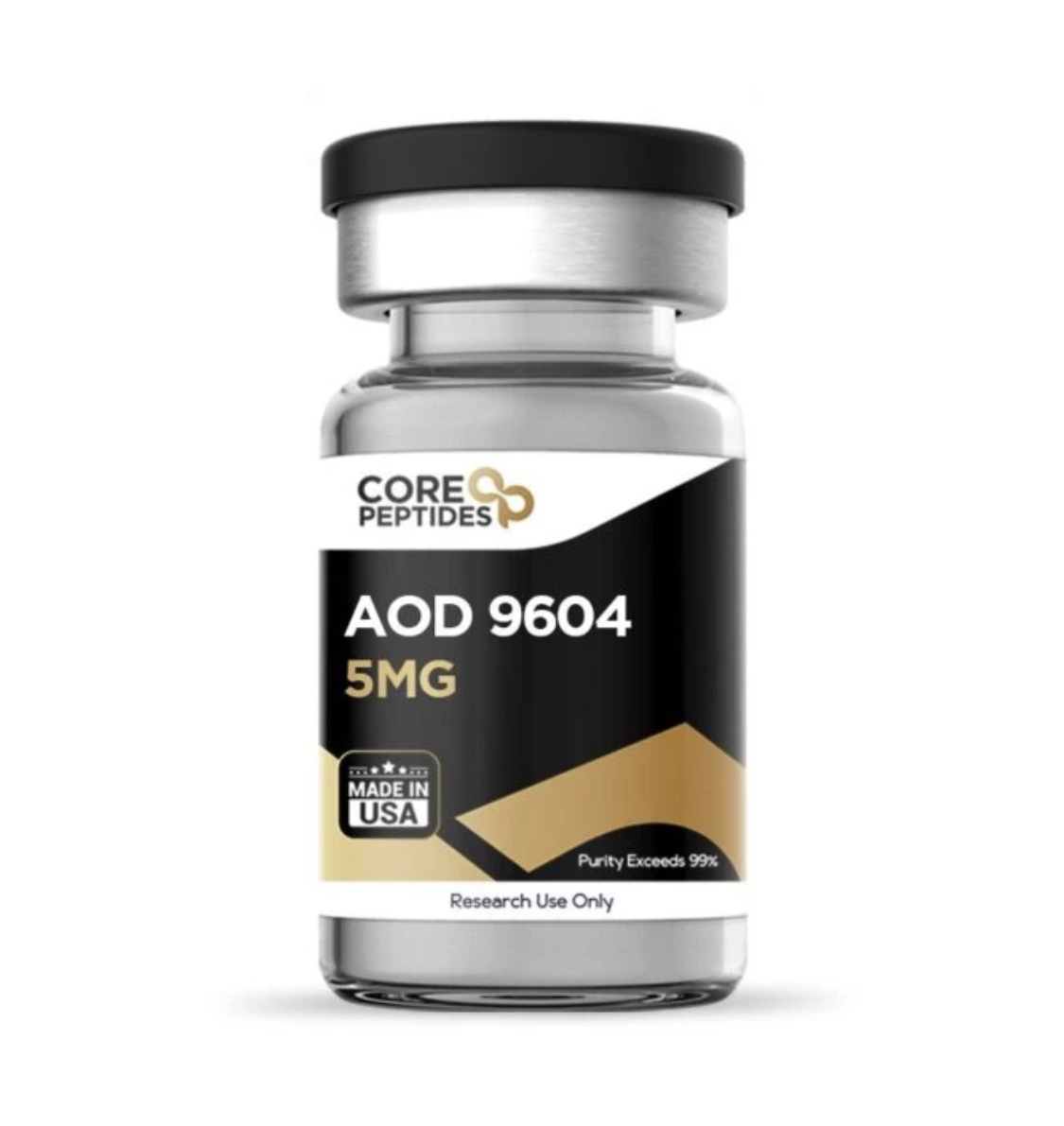
AOD 9604 (5mg)
AOD 9604 5mg is a premium, high-purity (\ge99% HPLC-verified) synthetic analog of the C-terminal region of human growth hormone (hGH 177-191). Engineered specifically to isolate lipolytic receptor activity without elevating IGF-1 levels or altering glucose metabolism, AOD 9604 is an essential tool for laboratory studies targeting lipid metabolism, adipocyte signaling, and cartilage matrix regeneration. Supplied as a sterile lyophilized powder strictly for scientific research use.
B7-33 (6mg)
B7-33 6 mg provides a high-purity, laboratory-verified lyophilized peptide manufactured under strict quality control standards in the USA. Formulated with 6 mg of pure B7-33—a single-chain synthetic peptide functional analog of human gene-2 relaxin (H2 relaxin)—this compound is widely utilized in cardiovascular, nephrology, and matrix biology research examining selective RXFP1 receptor signaling, extracellular matrix (ECM) remodeling, and anti-fibrotic signaling pathways without inducing tumor growth pathways.
Key Specifications
Active Compound: B7-33 (Relaxin-2 Receptor Agonist)
Chemical Formula: \text{C}_{136}\text{H}_{210}\text{N}_{40}\text{O}_{41}
Concentration: 6 mg per vial
Purity Standard: Exceeds 99% (Third-Party HPLC Verified)
Formulation: Sterile Lyophilized Powder
Origin: Manufactured in USA
Classification: Research Use Only
Primary Research Applications
Targeted Anti-Fibrotic Activity: B7-33 acts through the RXFP1 receptor to upregulate matrix metalloproteinases (MMPs) and suppress excessive collagen deposition, providing a targeted model for reversal of organ fibrosis.
Cardiovascular & Renal Remodeling: Extensively evaluated in preclinical models of heart failure, renal scarring, and vascular stiffness to assess hemodynamic regulation and arterial compliance enhancement.
Biasing RXFP1 Receptor Signaling: Investigated for its ability to preferentially stimulate pERK signaling over cAMP accumulation, preventing unwanted inotropic or proliferative side effects associated with full-length native relaxin.
DSIP (5mg)
DSIP 5 mg provides a high-purity, laboratory-verified lyophilized peptide manufactured under strict quality control standards in the USA. Formulated with 5 mg of pure Delta Sleep-Inducing Peptide (Trp-Ala-Gly-Gly-Asp-Ala-Ser-Gly-Glu)—a naturally occurring nonapeptide found in the brain and systemic circulation—this compound is widely utilized in neurobiology, endocrinology, and sleep architecture research investigating slow-wave sleep induction, stress response adaptation, and neuroendocrine regulation.
Key Specifications
Active Compound: Delta Sleep-Inducing Peptide (DSIP)
Chemical Formula: \text{C}_{35}\text{H}_{48}\text{N}_{10}\text{O}_{15}
Concentration: 5 mg per vial
Purity Standard: Exceeds 99% (Third-Party HPLC Verified)
Formulation: Sterile Lyophilized Powder
Origin: Manufactured in USA
Classification: Research Use Only
Primary Research Applications
Sleep Architecture & Delta Wave Induction: DSIP is extensively studied for its capacity to induce slow-wave (delta) EEG activity, providing valuable insights into non-REM sleep regulation and circadian rhythm dynamics.
Stress Response & ACTH Modulation: Applied in neuroendocrine models to evaluate its inhibitory action on stress-induced corticotropin (ACTH) release and adrenal axis stabilization.
Analgesic & Antioxidant Activity: Investigated for its potential neuromodulatory mechanisms in modulating central pain perception and protecting cellular structures against oxidative damage.
Humanin (10mg)
Humanin 10 mg provides a high-purity, laboratory-verified lyophilized peptide manufactured under strict quality control standards in the USA. Formulated with 10 mg of pure Humanin—a naturally occurring 24-amino-acid micropeptide encoded within the mitochondrial genome (16S rRNA)—this compound is widely utilized in cellular biology, metabolic health, and neurodegenerative disease research investigating cytoprotective mechanisms, oxidative stress regulation, and insulin sensitivity pathways.
Key Specifications
Active Compound: Humanin (HN)
Chemical Formula: \text{C}_{119}\text{H}_{204}\text{N}_{34}\text{O}_{35}\text{S}_{2}
Concentration: 10 mg per vial
Purity Standard: Exceeds 99% (Third-Party HPLC Verified)
Formulation: Sterile Lyophilized Powder
Origin: Manufactured in USA
Classification: Research Use Only
Primary Research Applications
Cytoprotection & Anti-Apoptotic Pathways: Humanin is studied for its ability to suppress Bax-mediated apoptosis, protecting various cell lines against programmed cell death triggered by toxic insults.
Neuroprotective Dynamics: Extensively evaluated in Alzheimer’s disease and neurodegenerative models to analyze its role in mitigating amyloid-beta (A\beta) cytotoxicity and preserving neuronal function.
Mitochondrial & Metabolic Homeostasis: Investigated for its regulatory actions on insulin sensitivity, glucose metabolism, and cellular homeostasis under conditions of metabolic stress.
NAD+ Peptide (750 mg)
NAD+ Peptide 750 mg provides a high-purity, laboratory-verified lyophilized coenzyme manufactured under strict quality control standards in the USA. Formulated with 750 mg of pure Nicotinamide Adenine Dinucleotide (\text{NAD}^+) per vial, this essential coenzyme is widely utilized in cellular biology, metabolic pathways, and anti-aging research examining mitochondrial oxidative phosphorylation, sirtuin enzyme activation, PARP-mediated DNA repair, and intracellular redox homeostasis.
Key Specifications
Active Compound: \text{NAD}^+ (Nicotinamide Adenine Dinucleotide)
Chemical Formula: \text{C}_{21}\text{H}_{27}\text{N}_{7}\text{O}_{14}\text{P}_{2}
Concentration: 750 mg per vial
Purity Standard: Exceeds 99% (Third-Party HPLC Verified)
Formulation: Sterile Lyophilized Powder
Origin: Manufactured in USA
Classification: Research Use Only
Primary Research Applications
Mitochondrial ATP Production & Electron Transport: Functions as a critical electron acceptor in glycolysis and the citric acid cycle, making it essential for research into cellular respiration kinetics and energy production efficiency.
Sirtuin (SIRT1–SIRT7) & PARP Activation: Serves as a required substrate for sirtuins and poly(ADP-ribose) polymerases (PARPs), enabling investigation into genomic stability, chromatin remodeling, and longevity signaling pathways.
Cellular Senescence & Metabolic Homeostasis: Widely applied in age-related research models measuring declining pool concentrations, oxidative stress mitigation, and systemic metabolic function restoration.
Selank (10mg)
Selank 10 mg is a research-grade lyophilized peptide engineered for high-purity laboratory applications. Each vial contains 10 mg of HPLC-verified Selank, third-party tested to guarantee over 99% purity and manufactured in the USA under strict quality standards. Formulated specifically for research investigating GABAergic neurotransmission, BDNF gene expression, and neuroprotective signaling pathways, this product is strictly intended for research use only.
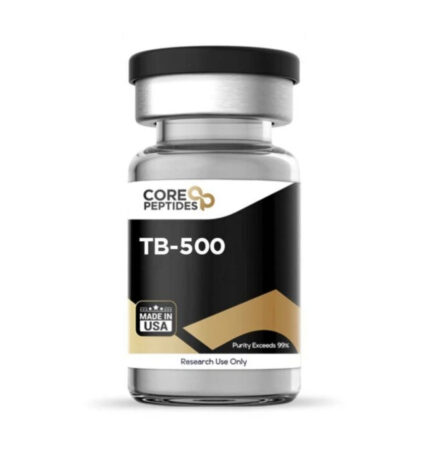
TB-500 (Thymosin Beta 4) 10 mg
TB-500 provides a high-purity, laboratory-verified lyophilized peptide manufactured under strict quality control standards in the USA. Formulated with pure TB-500 (a synthetic region of the naturally occurring peptide Thymosin Beta-4), this compound is widely utilized in cellular, vascular, and tissue engineering research investigating actin sequestration, cell migration, angiogenesis, and repair pathways in connective tissue models.
Key Specifications
Active Compound: TB-500 (Thymosin Beta-4 Fragment)
Purity Standard: Exceeds 99% (Third-Party HPLC Verified)
Formulation: Sterile Lyophilized Powder
Origin: Manufactured in USA
Classification: Research Use Only
Primary Research Applications
Actin Sequestration & Cytoskeletal Dynamics: TB-500 binds to G-actin to regulate actin polymerization, making it a valuable tool for studying cellular structure reorganization, motility, and wound healing kinetics.
Angiogenesis & Vascular Remodeling: Evaluated in endothelial cell assays to analyze new blood vessel formation, endothelial cell migration, and microvascular regeneration.
Tissue Repair & Extracellular Matrix (ECM) Modulation: Extensively investigated in preclinical models measuring collagen deposition, tendon/ligament repair signaling, and localized inflammation attenuation.
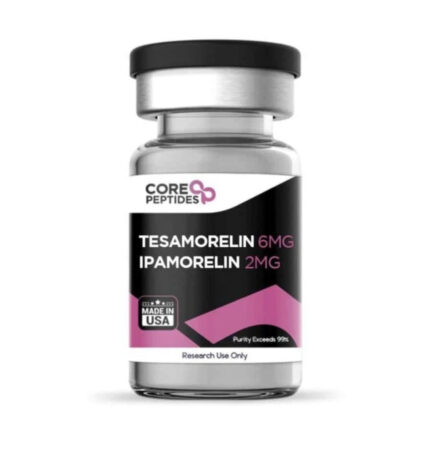
Tesamorelin & Ipamorelin Blend (8mg)
Tesamorelin 6 mg / Ipamorelin 2 mg is a research-grade lyophilized peptide blend engineered for high-purity laboratory applications. Each vial contains an 8 mg total blend (6 mg Tesamorelin / 2 mg Ipamorelin), third-party HPLC-tested to guarantee over 99% purity and manufactured in the USA under strict standards. Formulated specifically for research investigating dual GHRH and GHSR receptor activation, visceral fat metabolism, and endocrine signaling pathways, this product is strictly intended for research use only.
Reviews
There are no reviews yet.