





















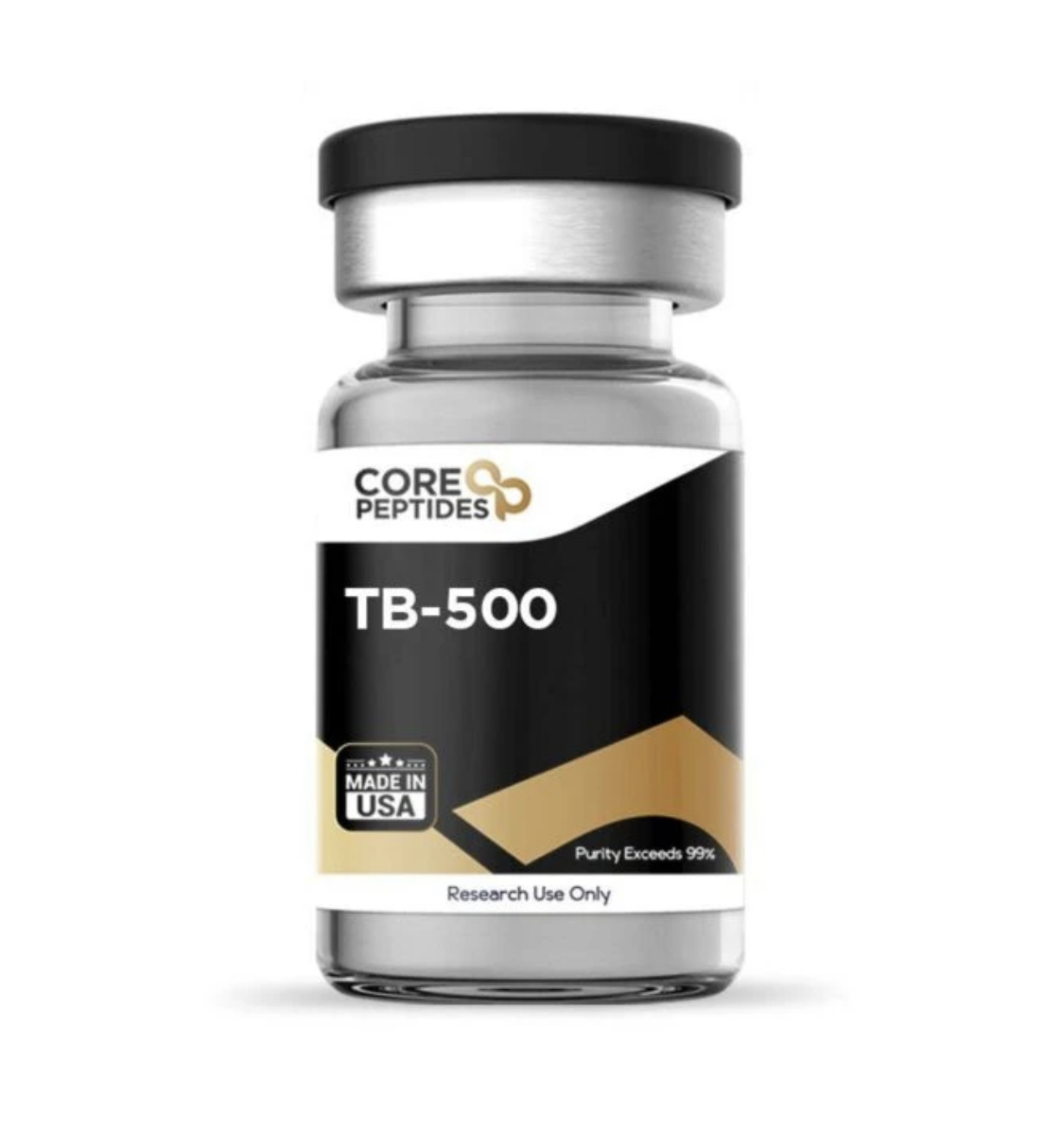
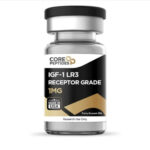
TB-500 (Thymosin Beta 4) 10 mg
$130.00
TB-500 provides a high-purity, laboratory-verified lyophilized peptide manufactured under strict quality control standards in the USA. Formulated with pure TB-500 (a synthetic region of the naturally occurring peptide Thymosin Beta-4), this compound is widely utilized in cellular, vascular, and tissue engineering research investigating actin sequestration, cell migration, angiogenesis, and repair pathways in connective tissue models.
Key Specifications
Active Compound: TB-500 (Thymosin Beta-4 Fragment)
Purity Standard: Exceeds 99% (Third-Party HPLC Verified)
Formulation: Sterile Lyophilized Powder
Origin: Manufactured in USA
Classification: Research Use Only
Primary Research Applications
Actin Sequestration & Cytoskeletal Dynamics: TB-500 binds to G-actin to regulate actin polymerization, making it a valuable tool for studying cellular structure reorganization, motility, and wound healing kinetics.
Angiogenesis & Vascular Remodeling: Evaluated in endothelial cell assays to analyze new blood vessel formation, endothelial cell migration, and microvascular regeneration.
Tissue Repair & Extracellular Matrix (ECM) Modulation: Extensively investigated in preclinical models measuring collagen deposition, tendon/ligament repair signaling, and localized inflammation attenuation.
TB-500 Peptide
TB-500 peptide, also known as synthetic Thymosin Beta 4 or Tβ4 is the synthetic version of the naturally occurring protein Thymosin beta 4. The latter is found naturally within the cells of the thymus organ and encoded by the TMSB4X gene. Researchers have suggested TB-500 peptide hosts similar potential as Thymosin beta 4. These potential mechanisms of action may include inducing angiogenesis, elevating wound healing, or possibly elevated metastatic potential of tumor cells and hair growth.
Besides being highly soluble in water and light in weight, TB-500 is a 43 amino acid-containing peptide found in abundance in the wound fluid comprising multiple blood platelets. This peptide may exhibit possible anti-inflammatory potential and may support neurological healing, as well as potentially supporting healing processes in the spinal cord, heart, and epidermis.(1)
Overview
TB-500 peptide, also known as thymosin β(4), includes a distinct peptide segment (17)LKKTETQ(23), which acts as the active site and which researchers consider potentially impactful in actin binding, cell migration, and wound healing.(2) The amino acid sequence of TB-500 is:
Ac-Ser-Asp-Lys-Pro-Asp-Met-Ala-Glu-Ile-Glu-Lys-Phe-Asp-Lys-Ser-Lys-Leu-Lys-Lys-Thr-Glu-Thr-Gln-Glu-Lys-Asn-Pro-Leu-Pro-Ser-Lys-Glu-Thr-Ile-Glu-Gln-Glu-Lys-Gln-Ala-Gly-Glu-Ser-OH.
Actins are essential proteins that form a key component of the cytoskeleton within cells, serving not only to maintain cellular structure but also to facilitate various cellular functions, including movement. Actin is suggested to be critical in supporting these cellular structures and processes. Thymosin beta-4 and, thus, TB-500 are believed to interact with actin, potentially by binding to globular actin (G-actin), a precursor to filamentous actin (F-actin). This interaction is thought to hinder the transformation of G-actin into F-actin, a process known as actin sequestration, and is likely to increase the availability of G-actin. The inhibition of F-actin formation by thymosin beta-4 may conceivably modify the structure of the cellular cytoskeleton, impacting cellular abilities for movement and morphological changes. Such changes are tentatively linked to various physiological and pathological states where cell motility is essential, including wound healing, tissue regeneration, and the progression of cancer through metastasis.(3)
Furthermore, Thymosin beta-4 has been detected not only within cells but also extracellularly, such as in blood plasma and wound exudates. Preliminary studies involving vascular cells suggest that Thymosin beta-4 is extracellular, it might influence cellular functions like motility and the formation of new blood vessels (angiogenesis).(11,12) It is postulated that Thymosin beta-4 might exert this potential through its interactions with ATP synthase enzymes located on the cell surface, which are critical for cellular energy production. These findings indicate a broader scope of action for thymosin beta-4, impacting both intra- and extracellular processes.
Chemical Makeup
Molecular Formula:C212H350N56O78S
Molecular Weight: 4963 g/mol
Other Known Titles: Thymosin Beta 4
Research and Clinical Studies
TB-500 Peptide and Inflammation
Tβ4, and thus TB-500, is thought to potentially increase the levels of microRNA-146a (miR-146a), which might function as a suppressive regulator of specific cellular signaling pathways, particularly those associated with the functions of inflammation-related cytokines, including L-1 receptor-linked kinase 1 (IRAK1) and tumor necrosis factor receptor-associated factor 6 (TRAF6). The researchers of a study investigating the potential of the peptide on these factors propose this as a possible mechanism of action for TB-500. More specifically, the authors observed that “transfection of anti-miR-146a nucleotides reversed the inhibitory effect of Tβ4 on IRAK1 and TRAF6,” thus suggesting this as a potential mechanism. Consequently, it is suggested that TB-500 may contribute to anti-inflammatory potential via these mechanisms.(4)
TB-500 Peptide and Acute Wounds
In 1999, a research study was conducted on wounded murine test models, who were introduced to TB-500 as a form of synthetic Thymosin Beta 4.(5) Four days after the presentation, it was reported by the researchers that the TB-500 peptide rats exhibited an apparent 41% increase in re-epithelialization than control murine models presented with saline. Seven days after the study, the TB-500 wounds were reported to be contracted by at least 11% more than the saline wounds. Upon analysis, it was concluded that TB-500 may possibly induce angiogenesis and collagen deposition, increasing the wound healing rate.The authors commented that their observations “suggest that Tβ4 is a potent wound healing factor with multiple activities…”
TB-500 Peptide and Chronic Wounds
Research studies were carried out on normal rats and mice, diabetic mice, aged mice, and steroid-influenced rats. All these animals were served full-thickness punch wounds and introduced to the TB-500 peptide. It was reported that the TB-500 appeared to accelerate the wound-healing process in all test models, regardless of the stated pre-existing conditions. Furthermore, phase 2 clinical trials were conducted on models of stasis and pressure ulcers. It was reported that TB-500 might accelerate the healing process by as much as one month.(6)
TB-500 Peptide and Heart Cells
Pulmonary hypertension is considered by scientists to be a progressive cardiac disease where the pulmonary arteries restrict the blood ejection by the right ventricle. This may result in increased pulmonary vascular resistance and pressure, potentially leading to ventricular failure of the heart. It was reported by researchers that TB-500 might be action specific on the Notch3-Col 3A-CTGF gene axis in MCT-influenced mice, which appeared to result in the case of the test study in decreasing the right ventricular heart cell hypertrophy by a significant amount.(7) Based on Tβ4 research, TB-500 might also influence the regeneration of cardiac cells. Preliminary research indicates that TB-500 may enhance the resilience of myocardial cells under hypoxic conditions and may also promote angiogenesis, which could facilitate the repair of cardiac cells. There is a suggestion from researchers that cardiac fibroblasts could potentially differentiate into cells akin to cardiomyocytes.(8) Furthermore, it has been proposed that the combination of TB-500 with cardiac reprogramming methods could synergistically mitigate damage to cardiac cells and support their regeneration by activating intrinsic cells in the heart area. Further experimentation employing mouse models, in which coronary arteries were ligated, suggested that TB-500 could potentially increase the activity of integrin-linked kinase (ILK) and protein kinase B (Akt) in cardiac tissue. This observation indicates a possible enhancement in the early survival of cardiomyocytes and an apparent improvement in cardiac function.(9) Further, the research indicates that TB-500 may facilitate the migration of myocardial and endothelial cells in the fetal heart, and this function appears to be preserved in adult cardiomyocytes.
TB-500 and Hair Follicle Growth
In 2003, studies were carried out on mice to examine the potential of TB-500 in hair growth. Under the influence of the TB-500 peptide, it was reported by the researchers that, via histological examination of the mouse skin cells, the peptide appeared to increase the number of hair shafts and hair follicles, thereby inducing hair growth. Upon real-time PCR and western blotting techniques, changes in the expression of m-RNA cells were observed between the TB500 and control mice. The m-RNA and protein levels were reported elevated in TB-500 mice, which might have significantly induced hair growth.(10)
TB-500 and Blood Vessel Formation
It is hypothesized that TB-500 might influence angiogenesis via several molecular interactions. This is based on studies involving TB-500 overexpression lentiviral vector in transfecting umbilical vein endothelial cells (HUVEC) and murine critical limb ischemia (CLI) models.(13) Researchers have also employed inhibitors such as DAPT, targeting the Notch pathway, and BMS, affecting the NF-κB pathway, in both HUVEC and murine CLI experiments to probe the intricate biological processes involved. The potential of TB-500 on angiogenesis and cellular migration were evaluated using MTT assays to measure cell viability, alongside tube formation and wound healing assays to assess angiogenic and migratory capabilities, respectively. Additionally, a variety of molecular methodologies were utilized, including Western blotting, reverse transcription, quantitative PCR, immunofluorescence, and immunohistochemistry. These techniques were instrumental in investigating the expression levels of angiogenesis-associated markers and elements related to the Notch/NF-κB pathways. Preliminary findings indicate that TB-500 might enhance not only the viability, angiogenesis, and migration of HUVEC but could also elevate the expression of angiopoietin-2 (Ang2), TEK receptor tyrosine kinase 2 (tie2), vascular endothelial growth factor A (VEGFA), NOTCH1 intracellular domain (N1ICD), Notch receptor 3 (Notch3), NF-κB, and phosphorylated (p)-p65 in these cells. In the muscle tissues of murine CLI models, similar increases in the expression of CD31, α-smooth muscle actin (α-SMA), Ang2, tie2, VEGFA, N1ICD, and p-p65 were observed, suggesting a regulatory potential of TB-500 on these molecular targets. Interestingly, the application of DAPT and BMS in these studies seemed to counteract the actions of TB-500, potentially indicating that the mechanisms of action of TB-500 in promoting angiogenesis might be mediated through its interactions with the Notch and NF-κB pathways. Moreover, the apparent reversal of the actions of DAPT and BMS by TB-500 could underscore its role in modulating these pathways, supporting the proposition of its regulatory functions in angiogenesis. Researchers have noted that these observations might imply a role for Tβ4 in promoting angiogenesis through regulation of these critical pathways.
TB-500 and Corneal Tissues
Studies have posited that TB-500 may modulate cytokine production and thus accelerate healing in corneal wound models.(14)Following injury, there is some indication that TB-500 could promote increased expression of IL-1β and IL-6 mRNA in the corneas of murine models. Moreover, TB-500 experimentation after alkali injury might lead to a decrease in the expression of chemoattractants such as MIP-2 and KC for polymorphonuclear neutrophils (PMNs) in mouse corneas, potentially resulting in diminished PMN infiltration. Concerning the inflammatory signaling pathways in the cornea, it is speculated that TB-500 may influence NFκB pathways, possibly exerting anti-inflammatory actions. TB-500 is also theorized to possess anti-apoptotic attributes. An overexpression of TB-500 in cellular models is observed to potentially increase growth rates, diminish basal apoptosis, and confer resistance to factors that induce cell death. In corneal epithelial cells, TB-500 could potentially inhibit apoptosis by blocking caspases and curtailing the release of the pro-apoptotic protein bcl-2 from mitochondria. The mechanism of TB-500’s anti-apoptotic action might include reducing the initiation signals of early cell death and activating the survival kinase Akt via complex interactions with PINCH and integrin-linked kinase. It is conceivable that TB-500’s anti-apoptotic influence operates through several molecular pathways. Nonetheless, it is crucial to acknowledge that these mechanisms remain conjectural and warrant further empirical investigation to be substantiated.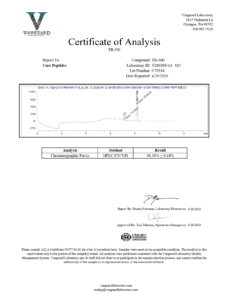


Related products
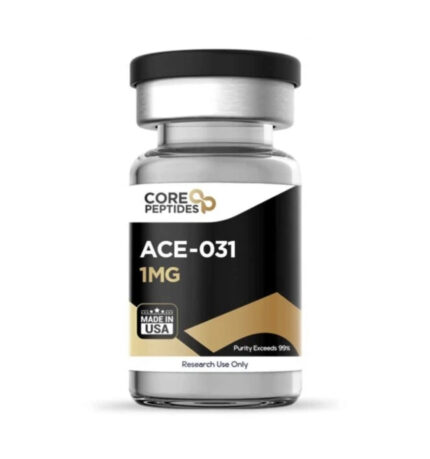
ACE-031 Peptide (1mg)
ACE-031 1 mg is a research-grade lyophilized protein peptide engineered for high-purity laboratory applications. Each vial contains 1 mg of HPLC-verified ACE-031, third-party tested to guarantee over 99% purity and manufactured in the USA under strict standards. Formulated specifically for research investigating myostatin signal neutralization, ActRIIB decoy receptor binding, and muscle growth regulation pathways, this product is strictly intended for research use only.
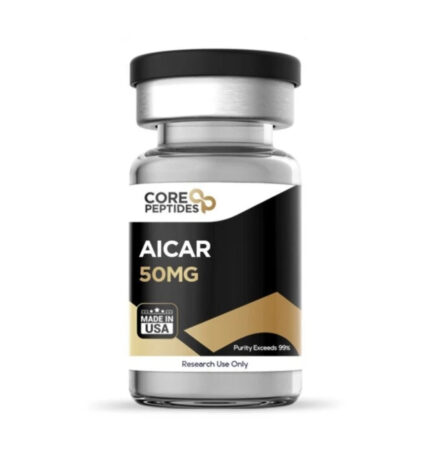
AICAR Peptide (50mg)
AICAR 50 mg provides a high-purity, laboratory-verified lyophilized compound manufactured under strict quality control standards in the USA. Formulated with 50 mg of pure AICAR (5-Aminoimidazole-4-carboxamide ribonucleotide) per vial, this synthetic adenosine analog is widely utilized in cellular, metabolic, and exercise physiology research investigating AMP-activated protein kinase (AMPK) activation, cellular energy homeostasis, and mitochondrial biogenesis pathways.
Key Specifications
Active Compound: AICAR (Acadesine / AICA Riboside)
Chemical Formula: \text{C}_{9}\text{H}_{15}\text{N}_{4}\text{O}_{8}\text{P}
Concentration: 50 mg per vial
Purity Standard: Exceeds 99% (Third-Party HPLC Verified)
Formulation: Sterile Lyophilized Powder
Origin: Manufactured in USA
Classification: Research Use Only
Primary Research Applications
AMP-Activated Protein Kinase (AMPK) Activation: AICAR is intracellularly phosphorylated into ZMP, an AMP mimic that directly activates AMPK without altering cellular ATP/ADP ratios, facilitating targeted metabolic research.
Mitochondrial Biogenesis & Endurance Pathways: Applied in cell cultures to analyze upregulated PGC-1$\alpha$ signaling, glucose uptake enhancement, and lipid oxidation mechanisms.
Ischemic & Cellular Energy Homeostasis Studies: Extensively investigated in cardiac and skeletal muscle models measuring metabolic adaptation, cellular stress response, and insulin sensitivity.
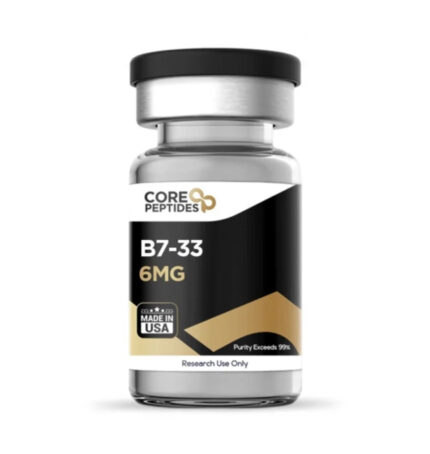
B7-33 (6mg)
B7-33 6 mg provides a high-purity, laboratory-verified lyophilized peptide manufactured under strict quality control standards in the USA. Formulated with 6 mg of pure B7-33—a single-chain synthetic peptide functional analog of human gene-2 relaxin (H2 relaxin)—this compound is widely utilized in cardiovascular, nephrology, and matrix biology research examining selective RXFP1 receptor signaling, extracellular matrix (ECM) remodeling, and anti-fibrotic signaling pathways without inducing tumor growth pathways.
Key Specifications
Active Compound: B7-33 (Relaxin-2 Receptor Agonist)
Chemical Formula: \text{C}_{136}\text{H}_{210}\text{N}_{40}\text{O}_{41}
Concentration: 6 mg per vial
Purity Standard: Exceeds 99% (Third-Party HPLC Verified)
Formulation: Sterile Lyophilized Powder
Origin: Manufactured in USA
Classification: Research Use Only
Primary Research Applications
Targeted Anti-Fibrotic Activity: B7-33 acts through the RXFP1 receptor to upregulate matrix metalloproteinases (MMPs) and suppress excessive collagen deposition, providing a targeted model for reversal of organ fibrosis.
Cardiovascular & Renal Remodeling: Extensively evaluated in preclinical models of heart failure, renal scarring, and vascular stiffness to assess hemodynamic regulation and arterial compliance enhancement.
Biasing RXFP1 Receptor Signaling: Investigated for its ability to preferentially stimulate pERK signaling over cAMP accumulation, preventing unwanted inotropic or proliferative side effects associated with full-length native relaxin.
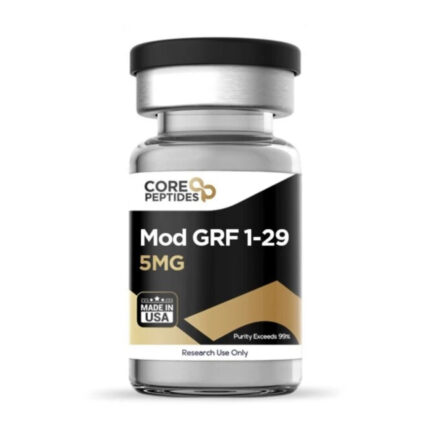
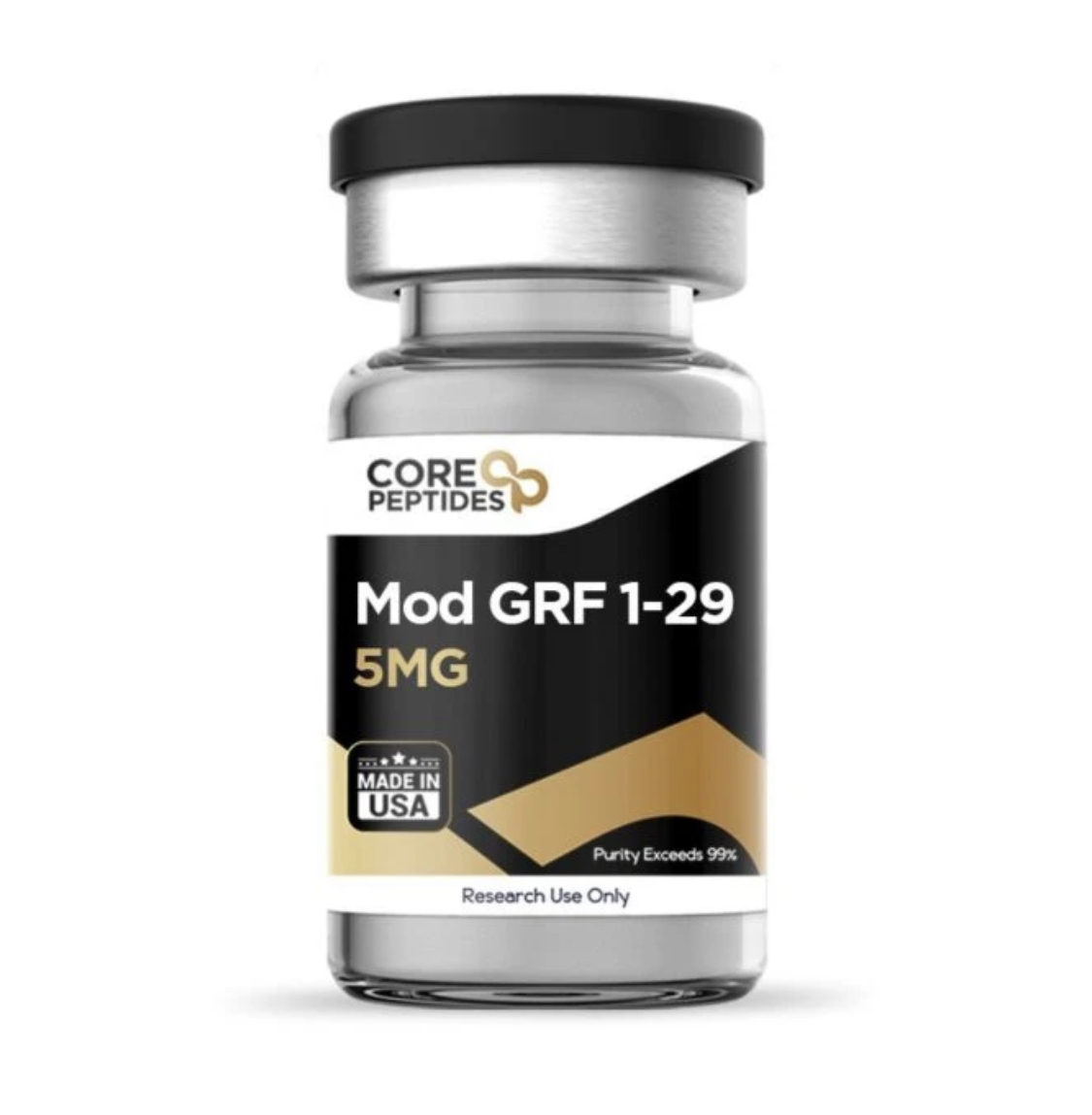
CJC-1295 NO DAC (Mod GRF 1-29) (5mg)
CJC-1295 NO DAC (Mod GRF 1-29) 5mg is a premium, high-purity (\ge99% HPLC-verified) synthetic peptide derived from natural Growth Hormone-Releasing Hormone (GHRH). Engineered with four target amino acid substitutions (positions 2, 8, 15, and 27), it offers superior resistance against DPP-IV enzymatic degradation while maintaining a natural, short-acting pulsatile signaling profile. Supplied as a sterile, lyophilized powder strictly for scientific laboratory and in vitro research applications.
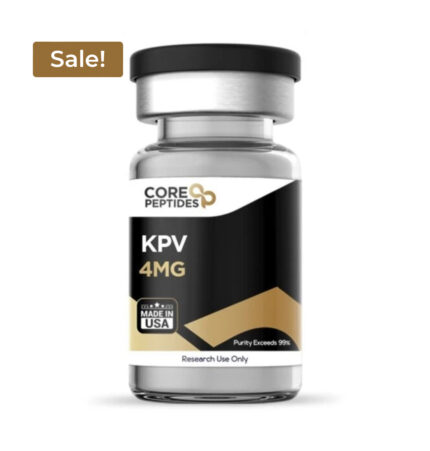
KPV Peptide (4mg)
KPV Peptide 4 mg provides a high-purity, laboratory-verified lyophilized peptide manufactured under strict quality control standards in the USA. Formulated with 4 mg of pure KPV (Lysine-Proline-Valine)—the C-terminal tripeptide fragment of alpha-melanocyte-stimulating hormone (\alpha\text{-MSH})—this compound is widely utilized in gastroenterology, immunology, and dermatology research investigating inflammatory bowel disease (IBD) suppression, antimicrobial signaling, and NF-\kappa\text{B} pathway downregulation.
Key Specifications
Active Compound: KPV (Lysine-Proline-Valine / \alpha\text{-MSH}_{11-13})
Chemical Formula: \text{C}_{16}\text{H}_{30}\text{N}_{4}\text{O}_{4}
Concentration: 4 mg per vial
Purity Standard: Exceeds 99% (Third-Party HPLC Verified)
Formulation: Sterile Lyophilized Powder
Origin: Manufactured in USA
Classification: Research Use Only
Primary Research Applications
Gastrointestinal Anti-Inflammatory Modulation: KPV is extensively studied in intestinal inflammation models for its ability to penetrate mucosal epithelial cells and inhibit nuclear factor kappa B (NF-\kappa\text{B}) translocation, reducing colonic tissue damage.
Antimicrobial & Anti-Fungal Activity: Evaluated in cellular microbiology models for direct antimicrobial properties against pathogen strains, including Candida albicans and Staphylococcus aureus.
Dermatological & Tissue Repair: Investigated in wound healing and inflammatory skin condition models to suppress pro-inflammatory cytokine expression (\text{IL-6}, \text{TNF-}\alpha) without inducing melanogenesis.
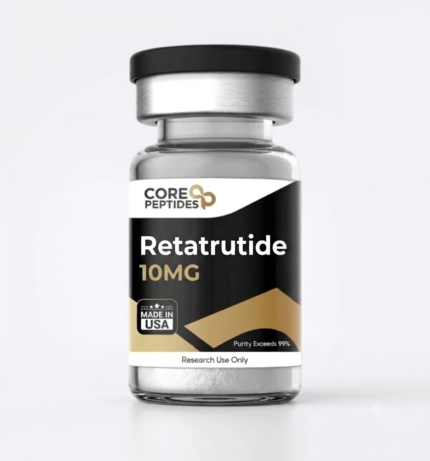
Retatrutide (10mg)
Retatrutide (10mg) is a multi-target triple agonist peptide engineered to hit GLP-1, GIP, and glucagon receptors. Designed to evaluate advanced weight loss and metabolic regulation, it delivers greater energy expenditure and appetite control in preclinical studies. High-purity lyophilized powder for laboratory research.
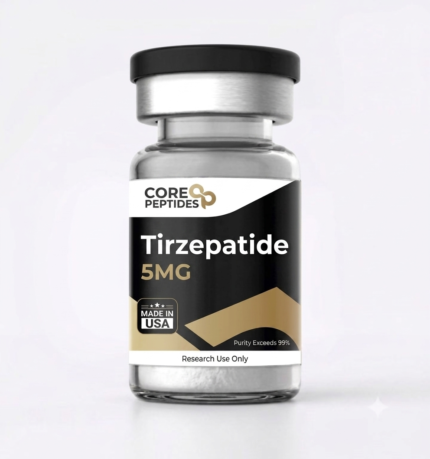
Tirzepatide (5mg)
Tirzepatide (5mg) is a dual GIP and GLP-1 receptor agonist designed to study advanced weight loss, lipid metabolism, and glycemic control. Engineered for high potency, this peptide targets dual incretin pathways to optimize metabolic research outcomes. Supplied as a high-purity lyophilized powder for laboratory use.
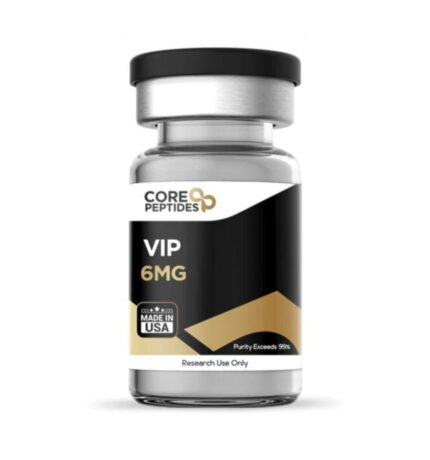
VIP Peptide (6mg)
VIP Peptide 6 mg provides a high-purity, laboratory-verified lyophilized peptide manufactured under strict quality control standards in the USA. Formulated with 6 mg of pure Vasoactive Intestinal Peptide (VIP)—a naturally occurring 28-amino-acid neuropeptide belonging to the secretin/glucagon superfamily—this compound is widely utilized in immunology, neurobiology, gastroenterology, and cardiovascular research examining immunomodulatory cascades, smooth muscle relaxation, and suprachiasmatic nucleus circadian clock synchronization.
Key Specifications
Active Compound: Vasoactive Intestinal Peptide (VIP)
Chemical Formula: \text{C}_{147}\text{H}_{238}\text{N}_{44}\text{O}_{42}\text{S}
Concentration: 6 mg per vial
Purity Standard: Exceeds 99% (Third-Party HPLC Verified)
Formulation: Sterile Lyophilized Powder
Origin: Manufactured in USA
Classification: Research Use Only
Primary Research Applications
Immunomodulation & Anti-Inflammatory Pathways: VIP acts via VPAC1 and VPAC2 receptors to inhibit pro-inflammatory cytokines (TNF-\alpha, IL-6, IL-12) while upregulating anti-inflammatory pathways (IL-10), making it a benchmark subject in autoimmune and chronic inflammatory signaling research.
Vascular & Pulmonary Smooth Muscle Regulation: Evaluated in cardiovascular and respiratory models for its potent vasodilatory properties, pulmonary arterial pressure regulation, and airway bronchodilator mechanisms.
Circadian Rhythm & Neuroendocrine Signaling: Extensively studied in suprachiasmatic nucleus (SCN) neuronal models to analyze central biological clock entrainment, neuropeptide release dynamics, and intestinal mucosal signaling.
Reviews
There are no reviews yet.