






















Receptor Grade IGF-1 LR3 (1mg)
$150.00
IGF-1 LR3 Receptor Grade 1 mg provides a high-purity, laboratory-verified lyophilized recombinant peptide manufactured under strict quality control standards in the USA. Formulated with 1 mg of pure Long \text{R}^3 Insulin-like Growth Factor-1, this modified analog features an arginine substitution at position 3 and a 13-amino-acid N-terminal extension. Specifically designated as receptor grade, this compound exhibits significantly reduced binding affinity for IGF binding proteins (IGFBPs), allowing researchers to study prolonged, uninhibited receptor-ligand interactions and cellular proliferation dynamics.
Key Specifications
Active Compound: IGF-1 LR3 (Long Arginine 3 IGF-1)
Grade: Receptor Grade
Concentration: 1 mg per vial
Purity Standard: Exceeds 99% (Third-Party HPLC Verified)
Formulation: Sterile Lyophilized Powder
Origin: Manufactured in USA
Classification: Research Use Only
Primary Research Applications
IGFBP Resistance & Extended Half-Life: The structural modification drastically lowers binding to IGF-binding proteins, enabling researchers to observe sustained activation of the IGF-1 receptor (IGF-1R) without rapid metabolic inactivation.
Cellular Proliferation & Protein Synthesis: Widely applied in vitro to study MAPK/ERK and PI3K/Akt/mTOR signaling pathways involved in cell growth, myogenesis, and nutrient transport regulation.
Hyperplasia & Tissue Culture Assays: Utilized in research models measuring satellite cell activation, skeletal muscle fiber recruitment, and metabolic shift mechanics.
Receptor Grade IGF-1 LR3 Peptide
Between 1940 and 1950, the growth hormone somatotropin was identified and researched. It was tentatively suggested that this hormone might enhance sulfate uptake in normal control rat serum, implying an increase in amino acid uptake or synthesis. However, this connection was not definitively established. This so-called “sulfate factor” was subsequently isolated from the rat serum and named “somatomedin.” Concurrently, an independent study explored the components responsible for producing insulin-like activity. It was hypothesized during this investigation that these components might be “somatomedins,” leading to the designation of these compounds as “insulin-like growth factors.”(1)
Further explorations into the insulin-like growth factors involved gene-targeting approaches to potentially enhance their bioavailability and potency. During these studies, a variant called Receptor Grade IGF-1 LR3 was developed. This variant included an additional arginine residue and featured an elongated structure at the N-terminal (by 13 amino acids), resulting in a protein composed of 83 amino acids, compared to the 70 amino acids found in natural IGF-1.(1)
Receptor Grade IGF-1 LR3 peptide, a polypeptide amino acid also known as Long arginine 3 IGF-1, or LR3-IGF-1, has been suggested to exhibit potential action similar to Insulin-like Growth factor-1, or IGF-1.(2) IGF-1 is a naturally produced protein comprised of 70 amino acids. Structurally similar to insulin, this Receptor Grade IGF-1 LR3 has the potential primarily to regulate cell tissue and development. Several synthetic variations of IGF-1, such as recombinant IGF-1 (rhIGF-1), were developed to mimic the natural protein identically and stimulate similar actions as IGF-1. Another example is Receptor Grade IGF-1 LR3, which researchers speculate exhibits an increased affinity and anabolic potential while binding less to IGF-1 binding proteins (IGF-1BPs). This variant has been developed particularly for evaluation in cell growth studies. Moreover, the designation of Receptor Grade refers to the purity of the material, which is considered higher than Media Grade IGF-1 LR3.
Structurally, IGF-1 LR3 contains an extended N-terminal structure and arginine acid at residue 3. Hence, it is named IGF-1 Long R3.(3) Owing to the altered structure, Receptor Grade IGF-1 LR3 has been suggested to bind poorly with IGF-binding proteins, shortening its duration of action.
Overview
IGF proteins appear to exert potential via binding with IGF-1 receptors; however, researchers posit that these IGF binding proteins, including Receptor Grade IGF-1 LR3, may function either via IGF receptor-dependent mechanism or via IGF-independent mechanisms.(1)(4)
A study(1) was conducted where a murine model was exposed to the endogenous IGF-1 with IGF-1 LR3. During this study, it was suggested that upon exposure, the synthetic protein exhibited the potential to quickly clear the serum and distribute into tissues. Increased concentrations of the IGF-1 LR3 tracer were apparently detected in specific organs, including the kidneys, ovaries, and adrenal glands, in mouse models. This distribution pattern indicates that organs critical to metabolism and reproductive processes might have differing abilities to absorb or retain IGF-1 LR3 compared to IGF-I. It is proposed that these variations might arise due to IGF-1 LR3’s reduced tendency to bind with IGFBPs. IGFBPs are proteins that regulate the availability of IGFs in circulation, influencing their interaction with various tissues. The decreased binding of IGF-1 LR3 to IGFBPs may affect its bioavailability and interactions with specific tissues in research settings. Researchers suggest Receptor Grade IGF-1 LR3 has the potential to induce a signaling mechanism in the organism, either via autocrine mode (where the tissue cell stimulates itself) or via paracrine mode (where the tissue cell stimulates the nearby cell). The increased potential bioavailability of these autocrine and paracrine IGF-1 LR3 proteins may prove vital to inducing any possible action.
Chemical Makeup
Molecular Formula:C400H625N111O115S9
Molecular Weight: 9117.5 g/mol
Other Known Titles: Long-(arg3) insulin-like growth factor-I, Insulin-like growth factor long chain R3
Research and Clinical Studies
Receptor Grade IGF-1 LR3 Peptide and Tissue Anabolism
The body of research examining the anabolic capabilities of IGF-1 LR3 remains insufficient, primarily because this peptide is designed for evaluation in cell culture studies. However, limited studies using murine models hint at a considerable anabolic potential of IGF-1 LR3. In particular, one investigation involved normal and dexamethasone-induced catabolic murine models.(3) The researchers commented that “LR3IGF-I, were approx. 2.5-fold more potent than IGF-I” in promoting anabolic observations. These included weight gain, increased weight of visceral organs, and potentially improved feed efficiency when the murine models were exposed to it continuously.
Another observation from studies on murine models exposed to catabolic agents revealed a reduction in the excretion of Nτ-methylhistidine, a marker of muscle protein degradation, which was notably more pronounced with IGF-1 LR3—potentially three times greater than with IGF-I. These observations indicate that IGF-1 LR3 may exhibit superior anabolic actions under specific experimental conditions, although this is not uniformly seen across all measured parameters. Therefore, it is conceivable that Receptor Grade IGF-1 LR3 may manifest an even greater anabolic capacity than IGF-1, according to multiple comparative studies on the anabolic properties of IGF-1.
For example, there is a 2005 clinical study(6) where the action of rhIGF-1 on models of IGF-1 deficiency and growth disorders was studied. RhIGF-1 is the recombinant form of insulin-like growth factor-1, and has been researched for its potential in mitigating growth hormone (GH) insensitivity. RhIGF-1 is a synthetic form of IGF-1.(11) Research models of GH deficiencies were examined in the course of this controlled study, where rhIGF-1 was presented once daily to all the models. The heights and lengths were measured before and after the study. Researchers suggested that results indicated an average increase in height by 7cm per year in all subjects presented with rhIGF-1. Hence, this study posits that IGF-1 analogs may have a positive potential within the context of growth hormone deficiency research.
Receptor Grade IGF-1 LR3 and Metabolic Activity
Studies(7) have suggested that IGF-binding proteins, including Receptor Grade IGF-1 LR3, may have the potential to induce glucose uptake and, thereby, glucose metabolism through the possible activation of signaling mechanisms. Namely, this may have occurred through a signaling mechanism involving PI3K and AMPK pathways. For example, it can be hypothesized that upon binding to their respective receptors, IGF-1 analogs potentially trigger a cascade of biochemical events involving the PI3K pathway. This pathway, integral to cellular growth and survival, might also play a pivotal role in mediating the actions of IGF-1 on glucose uptake. Activation of PI3K might lead to the stimulation of protein kinase B (Akt), a key regulator in the pathway, enhancing glucose transporter translocation to the cell membrane and increasing glucose uptake. Concurrently, the AMPK pathway, studied for its potential in energy balance and metabolism regulation, may be indirectly influenced by IGF-1 analogs. It is conceivable that the modulation of AMPK activity by these analogs may enhance cellular glucose uptake under energy stress conditions. This activation potentially promotes the translocation of GLUT4, a major glucose transporter, to the cell surface, thus facilitating glucose entry into cells.
Receptor Grade IGF-1 LR3 and Muscle
This study(8) was conducted on female mice to examine the action of Receptor Grade IGF-1 LR3 on reducing myostatin. Myostatin is a muscle protein that primarily prevents muscle cell differentiation and growth. Reducing the action of myostatin may potentially increase lean muscle mass and reduce fat mass. In this study(8) it was suggested that different IGF-1 analogs, including IGF-1 LR3, have the potential to counteract the negative action of myostatin protein, possibly helping to prevent apoptosis and protecting muscle cells. Since Receptor Grade IGF-1 LR3 has an apparently longer half-life than IGF-1 (according to the researchers), the potential action of Receptor Grade IGF-1 LR3 was considered.


Related products
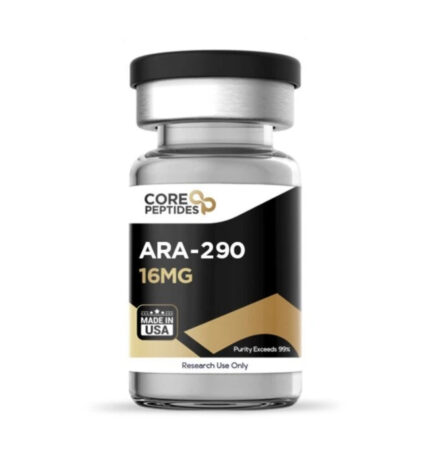
ARA-290 Peptide (16mg)
ARA-290 16 mg provides a high-purity, laboratory-verified lyophilized peptide manufactured under strict quality control standards in the USA. Formulated with 16 mg of pure ARA-290 (Cibinetide; Pyroglu-Glu-Gln-Glu-Arg-Glu-Arg-Ala-Glu-Ala-Lys-Glu)—a 11-amino-acid synthetic peptide derived from the erythropoietin (EPO) structure—this compound selectively targets the Innate Repair Receptor (IRR) without stimulating erythropoiesis. It is widely utilized in neurology, immunology, and tissue regeneration research investigating neuropathic pain attenuation, small nerve fiber regeneration, and inflammatory cytokine suppression.
Key Specifications
Active Compound: ARA-290 (Cibinetide / Pyroglutamate Helix B Surface Peptide)
Chemical Formula: \text{C}_{51}\text{H}_{84}\text{N}_{16}\text{O}_{21}
Concentration: 16 mg per vial
Purity Standard: Exceeds 99% (Third-Party HPLC Verified)
Formulation: Sterile Lyophilized Powder
Origin: Manufactured in USA
Classification: Research Use Only
Primary Research Applications
Selective Innate Repair Receptor (IRR) Activation: ARA-290 selectively binds the erythropoietin receptor / \beta-common receptor (\text{EPOR/}\beta\text{cR}) heterodimer to initiate anti-inflammatory and tissue-protective signaling without increasing red blood cell count or hematocrit levels.
Small Fiber Neuropathy & Peripheral Nerve Repair: Extensively studied in neuropathic disease models for its ability to promote small nerve fiber density restoration, repair damaged peripheral axons, and relieve neuropathic pain signaling.
Anti-Inflammatory & Ischemic Protection: Investigated for its inhibitory effects on pro-inflammatory cytokine cascades (\text{TNF-}\alpha, \text{IL-6}) and its protective role against ischemia-reperfusion injury in cardiovascular and metabolic tissue models.
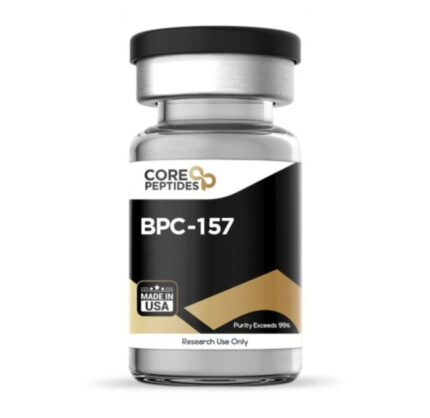
BPC-157 (10 mg)
BPC-157 (10mg) is a high-purity (≥98%) research-grade pentadecapeptide extensively studied for its powerful tissue regeneration, tendon healing, and gut mucosa protective properties. Supplied as a stable lyophilized powder, every batch undergoes strict HPLC and Mass Spectrometry testing to guarantee maximum purity and reliable research results.
For research and laboratory use only. Not for human consumption.
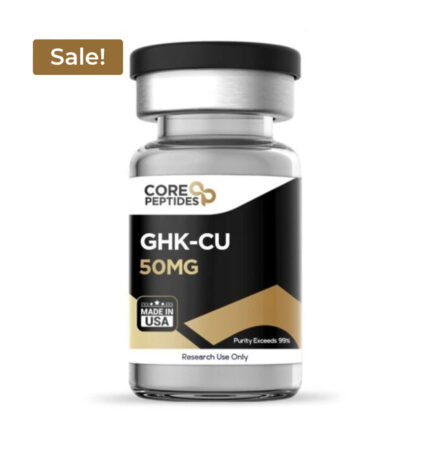
GHK-Cu (Copper) (50mg)
GHK-Cu (50mg) is a premium copper-binding tripeptide engineered to support advanced tissue repair, collagen synthesis, and cellular regeneration. Naturally present in human plasma, GHK-Cu levels decline with age. This potent peptide actively stimulates collagen and elastin production, accelerates wound healing, reduces fine lines, and promotes skin firmness and hair follicle restoration. Ideal for anti-aging and regenerative research applications.
Key Benefits: Boosts collagen & elastin, aids tissue remodeling, enhances skin barrier health, supports hair density.
Format: 50mg lyophilized powder (purity ≥99%).
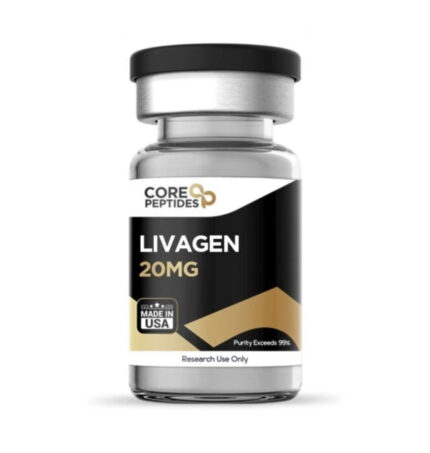
Livagen Peptide (20mg)
Livagen peptide 20mg provides a high-purity, laboratory-verified lyophilized peptide manufactured under strict quality control standards in the USA. Formulated with 20 mg of pure Livagen—a synthetic peptide bioregulator closely related to Epitalon and composed of the peptide sequence Lys-Glu-Asp-Ala—this compound is widely utilized in hepatology, molecular genetics, and biogerontology research examining chromatin decondensation, hepatic cellular protein synthesis, and immune modulation.
Key Specifications
Active Compound: Livagen (L-Lysyl-L-Glutamyl-L-Aspartyl-L-Alanine / Lys-Glu-Asp-Ala)
Chemical Formula: \text{C}_{18}\text{H}_{31}\text{N}_{5}\text{O}_{9}
Concentration: 20 mg per vial
Purity Standard: Exceeds 99% (Third-Party HPLC Verified)
Formulation: Sterile Lyophilized Powder
Origin: Manufactured in USA
Classification: Research Use Only
Primary Research Applications
Chromatin Activation & Epigenetic Regulation: Livagen is studied for its ability to induce decondensation of pericentromeric heterochromatin, reactivating silent genes associated with cellular aging and ribosomal RNA synthesis in senescent cells.
Hepatocyte Function & Liver Tissue Repair: Extensively evaluated in hepatic research models to observe its restorative effects on liver parenchyma, metabolic clearance mechanisms, and cellular detoxification enzymes.
Immune System Homeostasis: Investigated in immunogerontology models to assess T-lymphocyte function restoration, lymphocyte chromatin structure normalization, and resistance against toxic environmental stress.
Pinealon Peptide (20mg)
Pinealon Peptide 20 mg is a research-grade lyophilized tripeptide engineered for high-purity laboratory applications. Each vial contains 20 mg of HPLC-verified Pinealon, third-party tested to guarantee over 99% purity and manufactured in the USA under strict standards. Formulated specifically for research investigating neuroprotection, pineal gene expression, and cognitive function optimization, this product is strictly intended for research use only.
Retatrutide (10mg)
Retatrutide (10mg) is a multi-target triple agonist peptide engineered to hit GLP-1, GIP, and glucagon receptors. Designed to evaluate advanced weight loss and metabolic regulation, it delivers greater energy expenditure and appetite control in preclinical studies. High-purity lyophilized powder for laboratory research.
Selank (10mg)
Selank 10 mg is a research-grade lyophilized peptide engineered for high-purity laboratory applications. Each vial contains 10 mg of HPLC-verified Selank, third-party tested to guarantee over 99% purity and manufactured in the USA under strict quality standards. Formulated specifically for research investigating GABAergic neurotransmission, BDNF gene expression, and neuroprotective signaling pathways, this product is strictly intended for research use only.
VIP Peptide (6mg)
VIP Peptide 6 mg provides a high-purity, laboratory-verified lyophilized peptide manufactured under strict quality control standards in the USA. Formulated with 6 mg of pure Vasoactive Intestinal Peptide (VIP)—a naturally occurring 28-amino-acid neuropeptide belonging to the secretin/glucagon superfamily—this compound is widely utilized in immunology, neurobiology, gastroenterology, and cardiovascular research examining immunomodulatory cascades, smooth muscle relaxation, and suprachiasmatic nucleus circadian clock synchronization.
Key Specifications
Active Compound: Vasoactive Intestinal Peptide (VIP)
Chemical Formula: \text{C}_{147}\text{H}_{238}\text{N}_{44}\text{O}_{42}\text{S}
Concentration: 6 mg per vial
Purity Standard: Exceeds 99% (Third-Party HPLC Verified)
Formulation: Sterile Lyophilized Powder
Origin: Manufactured in USA
Classification: Research Use Only
Primary Research Applications
Immunomodulation & Anti-Inflammatory Pathways: VIP acts via VPAC1 and VPAC2 receptors to inhibit pro-inflammatory cytokines (TNF-\alpha, IL-6, IL-12) while upregulating anti-inflammatory pathways (IL-10), making it a benchmark subject in autoimmune and chronic inflammatory signaling research.
Vascular & Pulmonary Smooth Muscle Regulation: Evaluated in cardiovascular and respiratory models for its potent vasodilatory properties, pulmonary arterial pressure regulation, and airway bronchodilator mechanisms.
Circadian Rhythm & Neuroendocrine Signaling: Extensively studied in suprachiasmatic nucleus (SCN) neuronal models to analyze central biological clock entrainment, neuropeptide release dynamics, and intestinal mucosal signaling.
Reviews
There are no reviews yet.